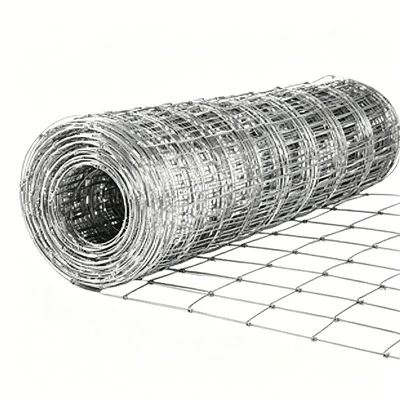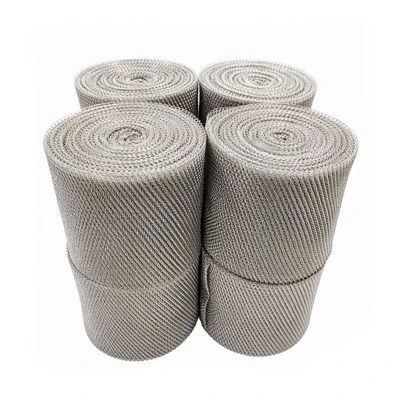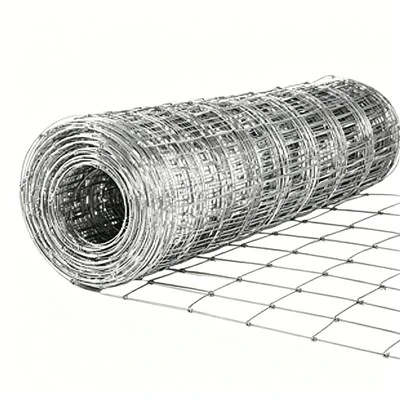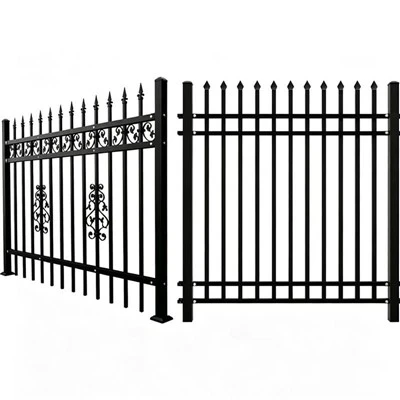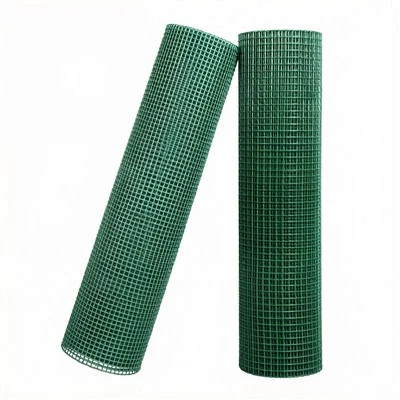

As a supplier of Green Coated Wire Fencing, I am often asked about the installation process of this popular fencing option. In this blog post, I will provide a detailed guide on how to install green coated wire fencing, covering everything from planning and preparation to the final touches.
Planning and Preparation
Before you start the installation process, it's essential to plan and prepare properly. This will ensure that the installation goes smoothly and that your fence lasts for many years.
Site Assessment
The first step is to assess the site where you will be installing the fence. Measure the area and determine the layout of the fence. Consider any obstacles, such as trees, rocks, or buildings, that may affect the installation. You should also check for any underground utilities, such as water pipes or electrical cables, before digging.
Fence Design
Next, choose the design of your green coated wire fencing. There are various styles and heights available, so select one that suits your needs and preferences. You can also choose between different types of wire, such as galvanized or PVC-coated, depending on your budget and the level of durability required.
Materials and Tools
Once you have determined the design of your fence, you will need to gather the necessary materials and tools. Here is a list of the basic materials and tools you will need:
- Green coated wire fencing panels
- Fence posts (wood, metal, or concrete)
- Post caps
- Tension wire
- Fence clips or ties
- Gate hardware (if you are installing a gate)
- Shovel
- Post hole digger
- Level
- Tape measure
- Hammer
- Pliers
- Wrench
Installation Process
Step 1: Mark the Fence Line
Using stakes and string, mark the location of the fence line. Make sure the line is straight and level. You can use a level to ensure the stakes are vertical.
Step 2: Dig the Post Holes
Dig the post holes at the marked locations. The depth of the holes will depend on the height of the fence and the type of soil. As a general rule, the holes should be at least one-third of the height of the fence post. For example, if you are using 6-foot fence posts, the holes should be at least 2 feet deep.
Step 3: Install the Fence Posts
Place the fence posts in the holes and fill them with concrete or gravel. Make sure the posts are level and plumb. You can use a level to check the posts and adjust them as needed. Allow the concrete or gravel to dry completely before proceeding.
Step 4: Attach the Tension Wire
Once the fence posts are installed, attach the tension wire to the top and bottom of the posts. Use fence clips or ties to secure the wire to the posts. Make sure the wire is tight and level.
Step 5: Install the Fence Panels
Attach the green coated wire fencing panels to the tension wire using fence clips or ties. Start at one end of the fence and work your way to the other. Make sure the panels are aligned and level. You can use a level to check the panels and adjust them as needed.
Step 6: Install the Gate
If you are installing a gate, follow the manufacturer's instructions for installation. Make sure the gate is level and plumb. You may need to adjust the hinges to ensure the gate opens and closes smoothly.
Step 7: Add the Post Caps
Once the fence panels and gate are installed, add the post caps to the top of the fence posts. Post caps not only add a decorative touch to your fence but also protect the posts from moisture and damage.
Step 8: Final Checks
Once the installation is complete, do a final check to make sure everything is in place and secure. Check the tension of the wire, the alignment of the panels, and the operation of the gate. Make any necessary adjustments.
Different Applications of Green Coated Wire Fencing
Green coated wire fencing is a versatile option that can be used in a variety of applications. Here are some common uses:
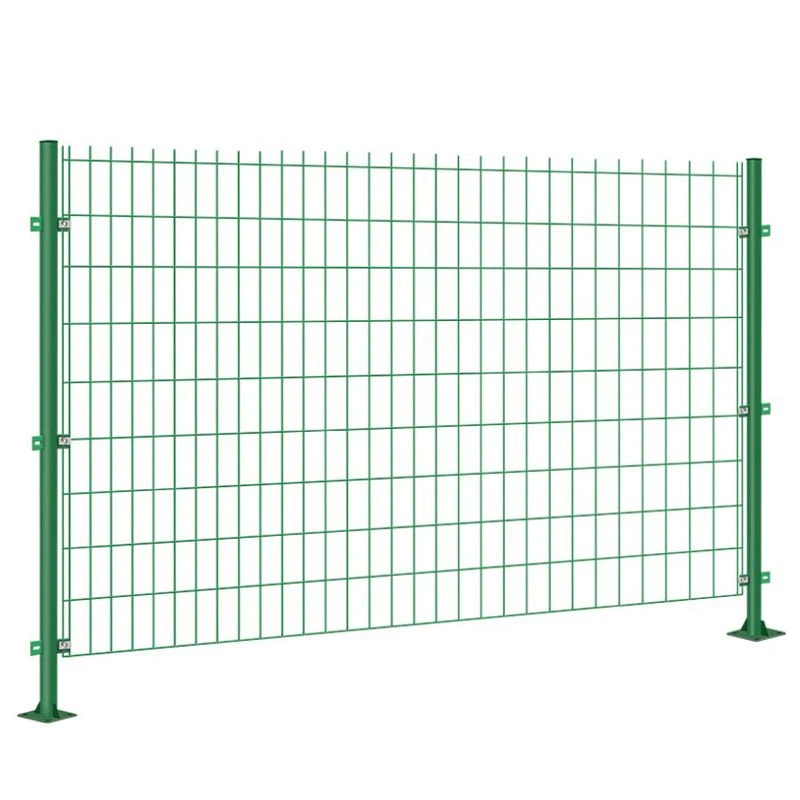

Airport Fence
Airports require high-security fencing to protect against unauthorized access. Green coated wire fencing, with its strong and durable wire, can provide an effective barrier while also being visually appealing.
Residential Yard Fence
In residential areas, green coated wire fencing can be used to define property boundaries, keep pets in, and add a touch of privacy. Its green coating also blends well with the natural surroundings.
School Fencing
Schools need fencing to ensure the safety of students and staff. Green coated wire fencing is a practical choice as it is easy to install, durable, and can withstand the wear and tear of daily use.
Framed Guardrail Fence
In areas where there is a need for a barrier that can also prevent falls, such as near stairs or next to water bodies, green coated wire fencing can be used as a framed guardrail fence.
Maintenance and Care
Proper maintenance and care will extend the lifespan of your green coated wire fencing. Here are some tips:
- Regularly inspect the fence for any signs of damage, such as loose wires or rust.
- Clean the fence periodically with a mild detergent and water to remove dirt and debris.
- If you notice any damage, repair it immediately to prevent further deterioration.
- In areas with harsh winters, consider applying a protective coating to the fence to prevent rust.
Advantages of Green Coated Wire Fencing
- Aesthetically Pleasing: The green coating gives the fence a natural and attractive look that blends well with the environment.
- Durable: The wire is coated to resist rust and corrosion, making it long-lasting.
- Cost-Effective: Compared to some other types of fencing, green coated wire fencing is relatively affordable.
- Easy to Install: With the right tools and some basic knowledge, you can install the fence yourself.
Contact Us for Your Fencing Needs
If you are interested in purchasing Green Coated Wire Fencing for your project, we are here to help. Our team of experts can provide you with detailed information, assist you in choosing the right type of fencing for your needs, and offer guidance throughout the installation process. We are committed to providing high-quality products and excellent customer service. Contact us today to start discussing your fencing requirements and get a quote.
References
- Fence Installation Guide - General Industry Standards
- Manufacturer's Instructions for Green Coated Wire Fencing Products