
Fire safety is a crucial consideration in perimeter fencing projects, whether for residential, commercial, or industrial applications. As a leading perimeter fencing supplier, we understand the importance of providing fencing solutions that not only meet aesthetic and functional requirements but also offer reliable fire - resistance properties. In this blog post, we will explore the fire - resistance characteristics of different perimeter fencing materials to help you make an informed decision for your next project.
Wood Fencing
Wood is a popular choice for perimeter fencing due to its natural beauty and versatility. However, when it comes to fire resistance, wood has some limitations. Wood is a combustible material, and untreated wood can catch fire easily when exposed to high temperatures or flames. The rate at which wood burns depends on several factors, including the type of wood, its moisture content, and the presence of any coatings or treatments.
Softwoods, such as pine and cedar, tend to burn more quickly than hardwoods like oak and teak. Moisture can slow down the burning process to some extent, as the water needs to evaporate before the wood can ignite. However, once the wood is dry, it becomes highly flammable.
There are fire - retardant treatments available for wood fencing. These treatments are designed to reduce the flammability of the wood by creating a layer that inhibits combustion. They work by releasing chemicals that react with the fire, either by diluting the oxygen around the fire or by forming a char layer that insulates the wood from further heat. Treated wood fencing can provide some level of fire protection, but it should be noted that these treatments may wear off over time and may need to be reapplied. [If you are considering a classic and warm look for your property, our Residential Yard Fence in wood can be an option, and we can guide you on the best fire - retardant treatments for it.]
Metal Fencing
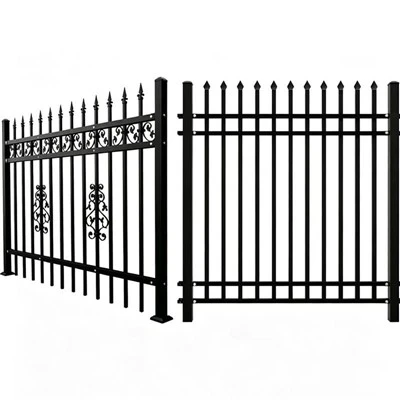
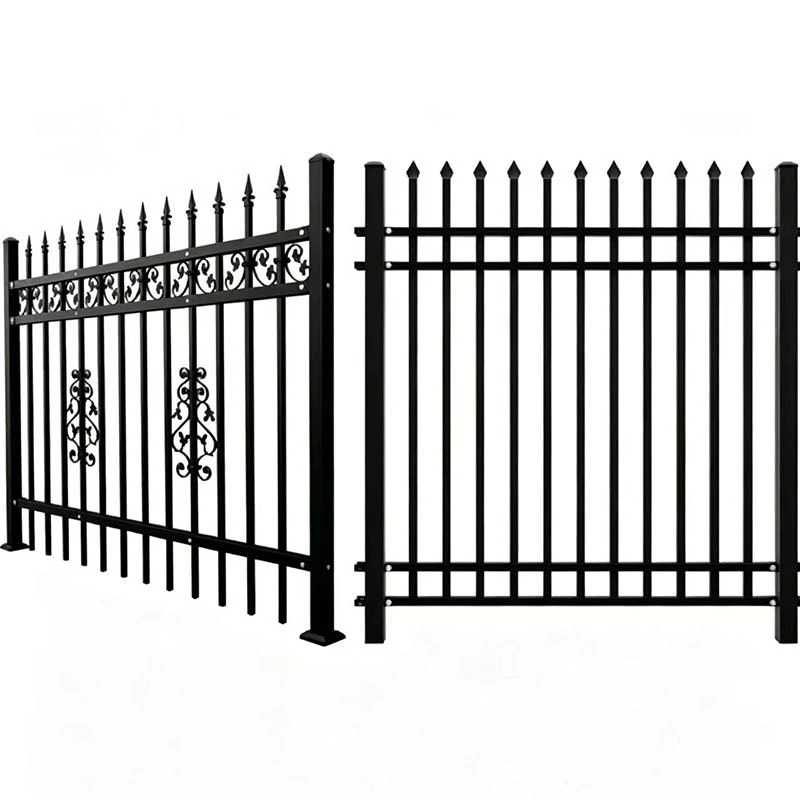
Metal fences are known for their durability and strength. In general, metal is a non - combustible material, which means it does not catch fire easily. Common types of metal used in perimeter fencing include steel, aluminum, and wrought iron.
Steel fencing offers excellent fire - resistance. Steel has a high melting point (around 1370 - 1510°C), which means it can withstand high temperatures without losing its structural integrity for a significant period. This makes steel fencing a reliable choice in areas prone to wildfires or where fire safety is a top priority. However, even though steel does not burn, high temperatures can cause it to expand and lose its strength. In extreme cases, this can lead to the distortion of the fence.
Aluminum is another popular metal for fencing. It is lightweight, corrosion - resistant, and non - combustible. Aluminum has a lower melting point than steel (approximately 660°C). While it is unlikely to catch fire, it can become soft and deform under high - heat conditions. But in most real - world fire scenarios, aluminum fencing will still retain a reasonable level of functionality.
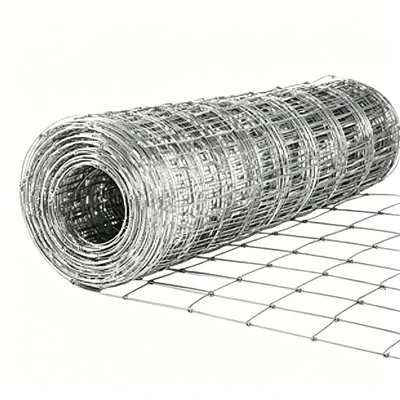
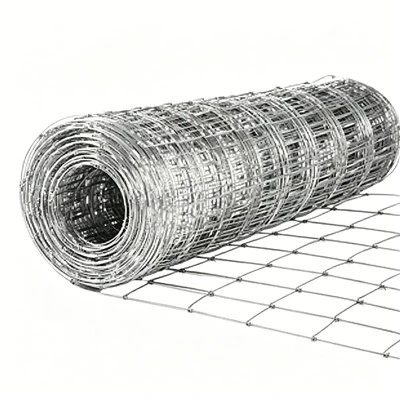
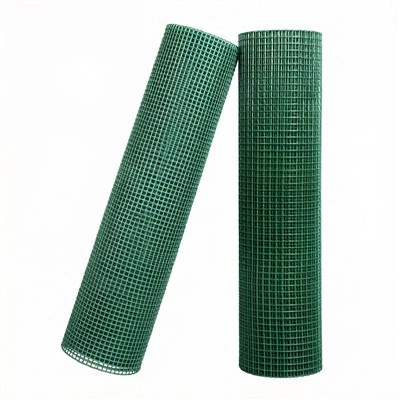
Wrought iron fencing is also non - combustible. It has a long - standing reputation for durability and can withstand high temperatures. It is often used in historical or high - end properties, and its fire - resistant nature adds to its appeal. Our Green Coated Wire Fencing, made of metal, provides both security and fire - resistance for your perimeter.
Vinyl Fencing
Vinyl fencing has gained popularity in recent years due to its low maintenance and attractive appearance. Vinyl is a type of plastic, and its fire - resistance properties are a bit more complex.
Vinyl is combustible, but modern vinyl fencing products often come with fire - retardant additives. These additives are designed to slow down the burning process and reduce the spread of flames. When a vinyl fence catches fire, it will typically melt and drip rather than sustain a full - scale fire like wood. However, the melting and dripping can still pose a hazard, especially if it comes into contact with other flammable materials.
The fire performance of vinyl fencing can be affected by factors such as the thickness of the vinyl, the quality of the fire - retardant additives, and the exposure to heat sources. In general, vinyl fencing should not be installed too close to potential fire hazards such as barbecues or heaters.
Chain - Link Fencing
Chain - link fencing is a common choice for many applications, including schools, municipalities, and industrial sites. It is typically made of galvanized steel wire, which is non - combustible.
The chain - link design allows for good ventilation, which means that in the event of a fire, heat and smoke can pass through the fence more easily compared to solid - panel fences. This can help to reduce the build - up of heat on one side of the fence and minimize the risk of the fire spreading to the other side. Our School Fencing and Municipal Fencing options in chain - link are great fire - resistant solutions for these public settings.
Barbed Wire Fencing
Barbed wire fencing, such as Blade Barbed Wire, is often used for security purposes. It is usually made of steel, which is non - combustible. Similar to chain - link fencing, the open design of barbed wire fencing allows for the passage of heat and smoke, reducing the potential for fire to spread. However, in a fire situation, the sharp barbs can pose additional risks, such as causing injuries to firefighters or getting caught on equipment.

Composite Fencing
Composite fencing is made from a combination of wood fibers and plastic polymers. The fire - resistance of composite fencing depends on the ratio of wood to plastic and the presence of any fire - retardant additives.
If the composite material contains a high proportion of wood, it will have a higher flammability risk. However, many composite fencing products are treated with fire - retardant chemicals to improve their fire performance. These treatments can slow down the burning process and prevent the spread of flames, similar to treated wood fencing.
Considerations for Choosing Fire - Resistant Fencing
When selecting a perimeter fencing material based on its fire - resistance properties, there are several factors to consider:
- Location and Fire Risk: If your property is located in a fire - prone area, such as a wildfire - affected region, a non - combustible material like metal or chain - link may be the best choice. In less fire - risky areas, other materials like wood or vinyl can be considered if proper fire - retardant treatments are applied.
- Building Codes and Regulations: Make sure the fencing material you choose complies with local building codes and fire safety regulations. Some areas may have specific requirements regarding the fire - resistance of perimeter fencing, especially for commercial or public buildings.
- Aesthetic and Functional Requirements: While fire safety is important, you also need to consider the appearance and functionality of the fence. For example, if you want a fence that provides privacy, a solid - panel fence may be necessary, but you need to ensure it has adequate fire - resistance.
Conclusion
In conclusion, understanding the fire - resistance properties of different perimeter fencing materials is essential for making a safe and suitable choice for your project. As a perimeter fencing supplier, we can offer a wide range of fencing options, each with its own advantages in terms of fire - resistance, durability, and aesthetics.
Whether you are looking for a residential yard fence, school fencing, or municipal fencing, we have the expertise and products to meet your needs. We can help you select the most appropriate fencing material based on your location, fire - risk level, and personal preferences.
If you are interested in learning more about our perimeter fencing products and their fire - resistance properties, or if you have a project in mind and want to discuss your options, please feel free to reach out. We are here to assist you in making the best decision for your perimeter fencing needs.
References
- ASTM International. ASTM Standards for Fire - Testing of Building Materials.
- National Fire Protection Association (NFPA). NFPA Codes and Standards related to Fencing and Fire Safety.
- Manufacturers' Technical Data Sheets for Fencing Materials such as Wood, Metal, Vinyl, etc.