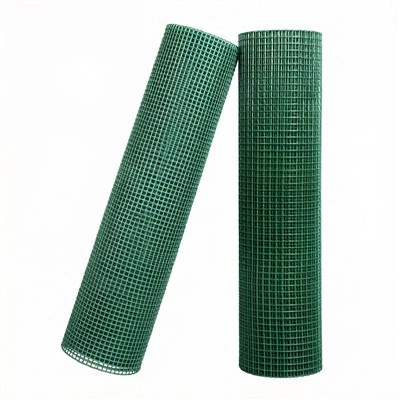

When it comes to industrial separation processes, mist eliminator mesh plays a crucial role in ensuring efficient and clean operations. As a leading supplier of Mist Eliminator Mesh, we're often asked about the density of this important component. In this blog, we'll delve into the concept of the density of Mist Eliminator Mesh, its significance, and how it impacts the performance of the system.
Understanding Mist Eliminator Mesh
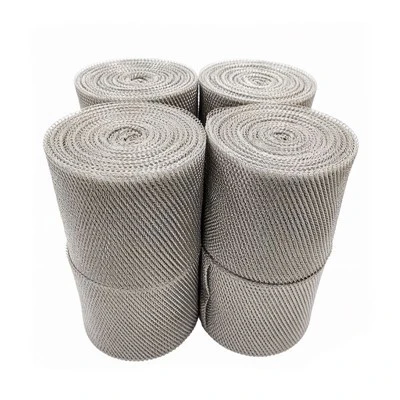
Mist eliminator mesh is a key component in various industrial applications, designed to remove liquid droplets from gas streams. It is typically made of various materials such as stainless steel, polypropylene, and fiberglass. The mesh structure provides a large surface area for the droplets to coalesce and be separated from the gas. This separation process is essential for preventing corrosion, protecting equipment, and ensuring product quality in many industries, including chemical processing, oil and gas refining, and power generation.
The primary function of mist eliminator mesh is to collect small liquid droplets entrained in a gas stream. As the gas passes through the mesh, the droplets collide with the mesh fibers and coalesce into larger droplets. These larger droplets then fall out of the gas stream due to gravity, effectively separating the liquid from the gas.


Defining the Density of Mist Eliminator Mesh
The density of Mist Eliminator Mesh refers to the mass per unit volume of the mesh material. It is typically measured in kilograms per cubic meter (kg/m³) or pounds per cubic foot (lb/ft³). The density of the mesh is influenced by several factors, including the material of the mesh, the wire diameter, the mesh opening size, and the packing density.
The material of the mesh is a significant determinant of its density. For example, stainless steel has a higher density compared to polypropylene. Stainless steel typically has a density of around 7,850 kg/m³, while polypropylene has a density of approximately 900 - 910 kg/m³. The choice of material depends on the specific application requirements, such as temperature, chemical resistance, and cost.
The wire diameter also affects the density of the mesh. A thicker wire will result in a higher density mesh, as there is more material per unit volume. The mesh opening size is another important factor. A smaller mesh opening size generally means a higher density mesh, as there is more mesh material in the same volume.
Packing density is another crucial aspect. It refers to how closely the mesh is packed in the mist eliminator. A higher packing density means more mesh material in a given volume, resulting in a higher overall density of the mist eliminator.
Significance of Mesh Density
The density of Mist Eliminator Mesh has a profound impact on its performance. Firstly, a higher density mesh generally provides a greater surface area for droplet coalescence. This means that more droplets can be captured and removed from the gas stream, improving the separation efficiency.
However, a very high-density mesh can also lead to increased pressure drop. Pressure drop is the difference in pressure between the inlet and outlet of the mist eliminator. As the gas passes through a high-density mesh, it encounters more resistance, resulting in a larger pressure drop. This can increase the energy consumption of the system and may require larger fans or pumps to maintain the gas flow.
On the other hand, a lower density mesh may have a lower pressure drop but may also have a lower separation efficiency. Therefore, it is essential to find the right balance between density, separation efficiency, and pressure drop based on the specific application requirements.
Applications and Optimal Density
Different applications require different densities of Mist Eliminator Mesh. In applications where high separation efficiency is critical, such as in pharmaceutical manufacturing or food processing, a higher density mesh may be preferred. These industries often require strict control of product quality, and any contamination from liquid droplets can have serious consequences.
In contrast, in applications where pressure drop is a major concern, such as in large-scale power plants or some chemical processes, a lower density mesh may be more suitable. In these cases, minimizing energy consumption is often a priority, and a lower density mesh can help achieve this goal while still providing an acceptable level of separation.
Our company offers a wide range of Mist Eliminator Mesh products with different densities to meet the diverse needs of our customers. Whether you need a high-density mesh for precise separation or a low-density mesh for low-pressure drop applications, we have the right solution for you.
Our Products and Expertise
As a professional Link: Metal Mesh Filter Screen and Link: Demister Mesh supplier, we take pride in providing high-quality Link: Mist Eliminator Mesh and Link: Metal Mesh Mist Eliminator products. Our mesh products are manufactured using advanced techniques and high-quality materials to ensure optimal performance and durability.
We have a team of experienced engineers and technicians who can help you select the right density of Mist Eliminator Mesh for your specific application. We understand that every application is unique, and we are committed to providing customized solutions that meet your exact requirements. Whether you are dealing with high-temperature gases, corrosive chemicals, or fine liquid droplets, we have the expertise and products to solve your mist elimination problems.
Conclusion and Call to Action
In conclusion, the density of Mist Eliminator Mesh is a critical factor that affects its performance, including separation efficiency and pressure drop. Choosing the right density is essential for achieving optimal results in industrial separation processes. As a trusted supplier of Mist Eliminator Mesh, we are dedicated to providing high-quality products and professional services to our customers.
If you are in the market for Mist Eliminator Mesh or have any questions about mesh density and its applications, please feel free to contact us. We would be delighted to discuss your requirements and provide you with a tailored solution. Let us work together to ensure the efficiency and cleanliness of your industrial processes.
References
- Perry, R. H., & Green, D. W. (Eds.). (1997). Perry's Chemical Engineers' Handbook. McGraw-Hill.
- Walas, S. M. (1988). Chemical Process Equipment: Selection and Design. Butterworth-Heinemann.