
Hey there! I'm a supplier of metal field fencing, and I've seen firsthand how heavy snow can really throw a wrench into things. In this blog, I'm gonna break down the impact of heavy snow on metal field fencing and give you some tips on how to deal with it.


Structural Stress
One of the most obvious impacts of heavy snow on metal field fencing is the structural stress it puts on the fence. Snow is heavy, and when it accumulates on the fence, it adds a significant amount of weight. This extra weight can cause the fence to bend, warp, or even collapse in extreme cases.
The horizontal bars and wires of the fence are particularly vulnerable to the weight of the snow. They can start to sag under the pressure, which not only looks bad but also weakens the overall structure of the fence. If the sagging is severe enough, it can cause the fence to lose its integrity and become less effective at keeping things in or out.
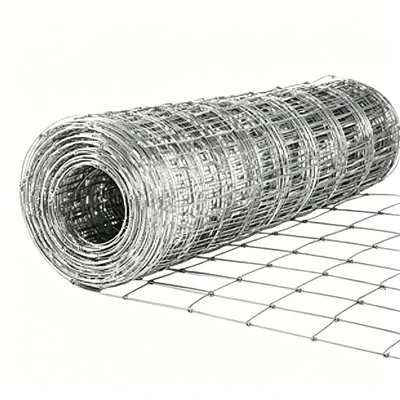
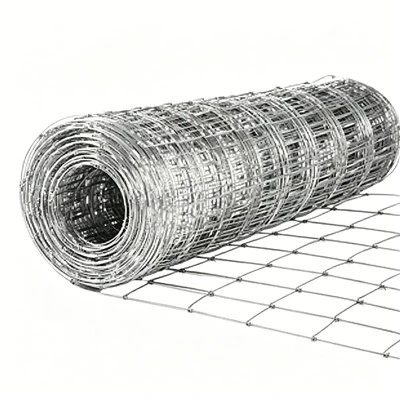
For example, if you have a Farm Perimeter Fence that's covered in a thick layer of snow, the weight of the snow can pull on the wires and posts, causing them to shift out of place. This can create gaps in the fence, allowing animals to escape or unwanted intruders to get in.
Corrosion
Another problem that heavy snow can cause is corrosion. Snow often contains moisture, and when this moisture comes into contact with the metal fence, it can lead to rust. Rust weakens the metal, making it more likely to break or fail.
The salt and chemicals that are often used to melt snow on roads and sidewalks can also contribute to corrosion. These substances can be carried by the snow and deposited on the fence, accelerating the rusting process.
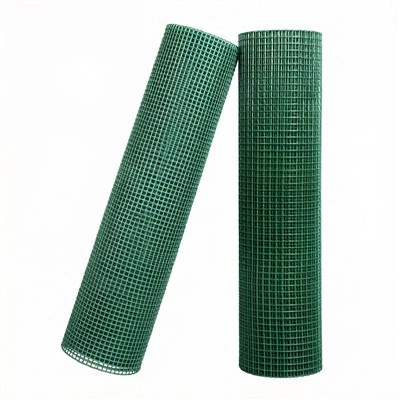
If you have a PVC Coated Welded Mesh Fence, the PVC coating can provide some protection against corrosion. However, if the coating is damaged, the underlying metal is still at risk.
Ice Formation
Ice can also form on the fence during heavy snowfall. When water freezes on the fence, it expands, which can cause the metal to crack or break. Ice can also add additional weight to the fence, increasing the structural stress.
In addition, ice can make the fence more slippery, which can be a safety hazard. If someone tries to climb over the fence or lean on it, they could easily slip and fall.
Maintenance and Prevention
So, what can you do to minimize the impact of heavy snow on your metal field fencing? Here are some tips:
- Regular Inspections: Check your fence regularly during the winter months to look for signs of damage or stress. Look for sagging wires, bent posts, or signs of rust. If you notice any problems, address them as soon as possible.
- Snow Removal: If possible, remove the snow from the fence before it accumulates too much. You can use a broom or a snow blower to gently remove the snow. Be careful not to damage the fence while you're doing this.
- Anti-Corrosion Measures: Apply a protective coating to your fence to prevent corrosion. There are many different types of coatings available, so choose one that's suitable for your fence and the environment.
- Reinforcement: If your fence is in an area that's prone to heavy snowfall, consider reinforcing it. You can add additional posts or supports to help distribute the weight of the snow.
Impact on Different Types of Fences
Let's take a look at how heavy snow can affect different types of metal field fencing:
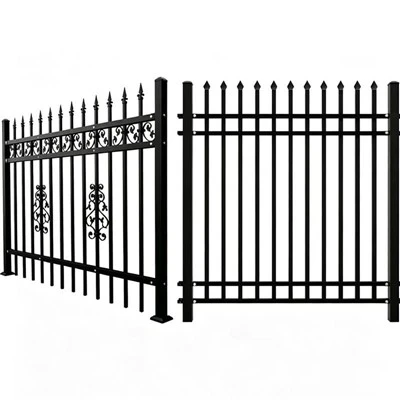
- Site Perimeter Fencing: This type of fence is often used to secure construction sites or industrial areas. Heavy snow can make it difficult to access the site and can also damage the fence. Regular inspections and snow removal are especially important for site perimeter fencing.
- Garden Perimeter Fence: A garden perimeter fence is designed to keep animals out and protect your plants. Heavy snow can cause the fence to collapse, allowing animals to get into your garden. You may need to reinforce the fence or use a snow fence to divert the snow away from the garden.
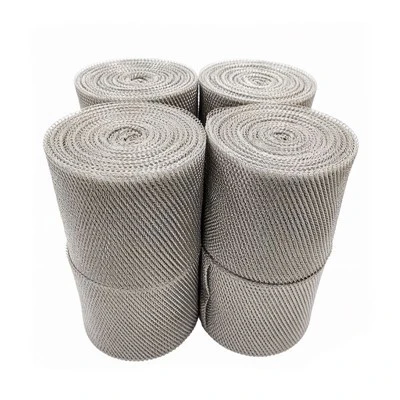
- Reinforced Macmat: Reinforced Macmat is a type of mesh that's often used for erosion control and slope stabilization. Heavy snow can add weight to the Macmat, which can cause it to shift or become damaged. Make sure the Macmat is properly installed and secured to prevent this from happening.
Conclusion
Heavy snow can have a significant impact on metal field fencing. It can cause structural stress, corrosion, and ice formation, which can all lead to damage and failure. By taking the right precautions and performing regular maintenance, you can minimize the impact of heavy snow on your fence and ensure that it lasts for many years.
If you're in the market for metal field fencing or need help with maintenance and repair, don't hesitate to reach out. We're here to help you find the right solution for your needs.
References
- "The Effects of Snow and Ice on Fencing Structures." Fence Journal, 2020.
- "Preventing Corrosion in Metal Fencing." Metalworking Magazine, 2019.
- "Snow Management for Fences." Winter Maintenance Guide, 2021.