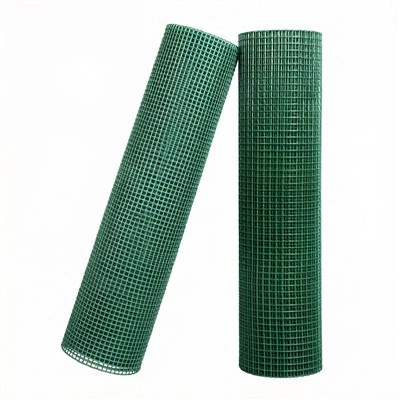

As a supplier of Reinforced Macmat, I am often asked about its various properties, and one question that comes up frequently is about its ozone resistance. In this blog post, I will delve into the intricacies of the ozone resistance of Reinforced Macmat, exploring its significance, how it is measured, and how it compares to other similar materials.
Understanding Ozone and Its Impact
Ozone (O₃) is a highly reactive gas that exists in the Earth's atmosphere, both in the stratosphere where it forms the ozone layer and at ground - level as a pollutant. Ground - level ozone is primarily formed through the interaction of sunlight with pollutants such as nitrogen oxides (NOₓ) and volatile organic compounds (VOCs) emitted from vehicles, industrial facilities, and other sources.
Ozone can have a detrimental effect on many materials. It is a strong oxidizing agent, and when it comes into contact with materials, it can cause degradation. This degradation may manifest as cracking, loss of flexibility, discoloration, and a reduction in mechanical strength. For materials that are exposed to outdoor environments, ozone resistance is a crucial property, as it directly affects the service life and performance of the product.
Ozone Resistance of Reinforced Macmat
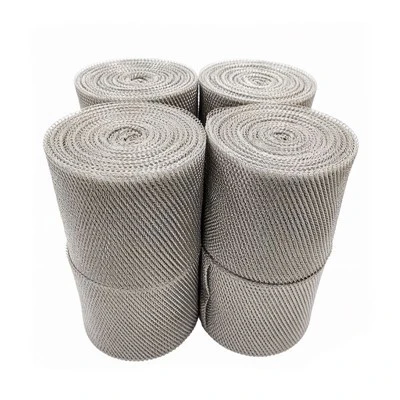
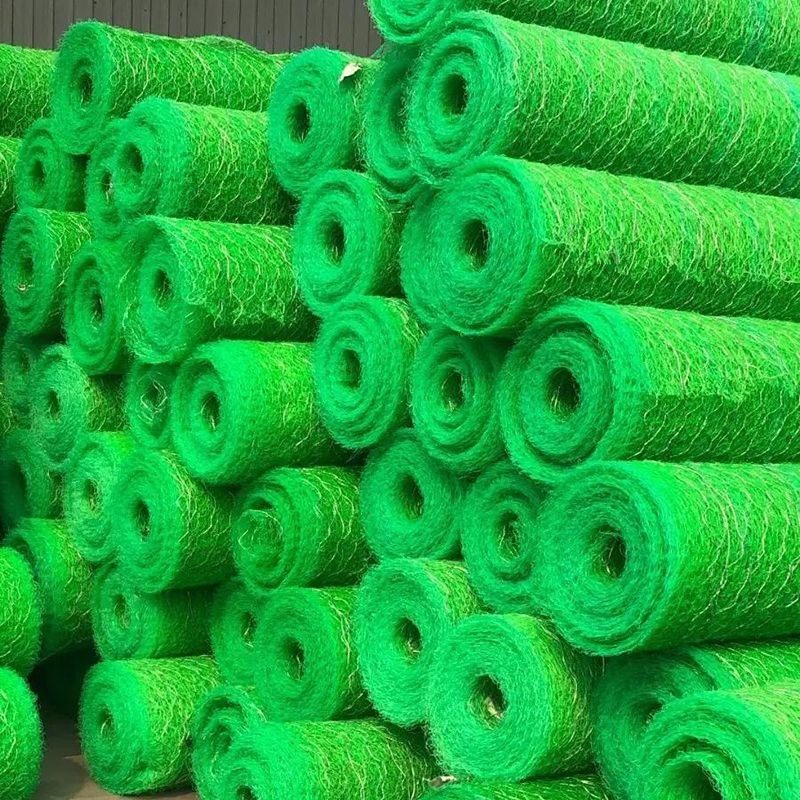
Reinforced Macmat is a high - performance geosynthetic material. It is designed to provide reinforcement, separation, and filtration in various civil engineering and environmental applications. The ozone resistance of Reinforced Macmat is one of its remarkable features, thanks to the carefully selected materials and advanced manufacturing processes used in its production.
The core structure of Reinforced Macmat is engineered to withstand the oxidative attack of ozone. The fibers and polymers used in its construction have inherent chemical stability, which helps to prevent ozone from breaking down the molecular bonds within the material. This means that even when exposed to high levels of ozone, Reinforced Macmat retains its integrity, flexibility, and mechanical strength for an extended period.
To quantify the ozone resistance of Reinforced Macmat, standard test methods are employed. For example, the ASTM D1171 test involves exposing specimens of the material to a controlled ozone - enriched environment for a specified duration under specific temperature and humidity conditions. After the exposure period, the specimens are examined for signs of degradation, such as cracking or changes in physical properties. Reinforced Macmat has consistently shown excellent performance in such tests, demonstrating its ability to withstand extreme ozone conditions.
Comparing with Other Similar Materials
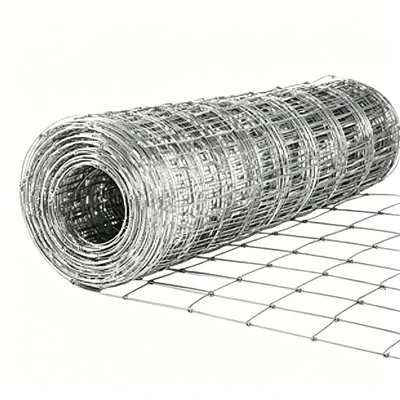
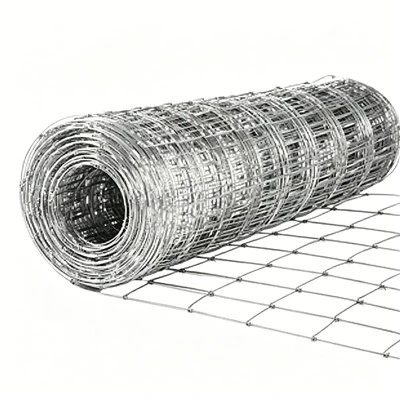
When compared to other materials commonly used in geosynthetic applications, Reinforced Macmat stands out for its superior ozone resistance. For instance, some traditional plastic - based materials may be more susceptible to ozone degradation. Plastic Coated Welded Wire Mesh and Metal Field Fencing might face issues like the degradation of the plastic coating or corrosion under high - ozone conditions.
In contrast, Reinforced Macmat's molecular structure is more resistant to the oxidative effects of ozone. This gives it a longer service life, reducing the need for frequent replacements. For applications such as soil stabilization or erosion control in areas with high ozone levels, Reinforced Macmat is a more reliable choice.
Benefits of Ozone Resistance in Real - World Applications
The excellent ozone resistance of Reinforced Macmat brings numerous benefits in real - world applications. In coastal areas, where ozone levels can be relatively high due to the interaction of sunlight, sea salt, and pollutants carried by ocean breezes, Reinforced Macmat can be used for beach erosion control. Its resistance to ozone ensures that it remains effective in protecting the shoreline for many years, even in the harsh coastal environment.
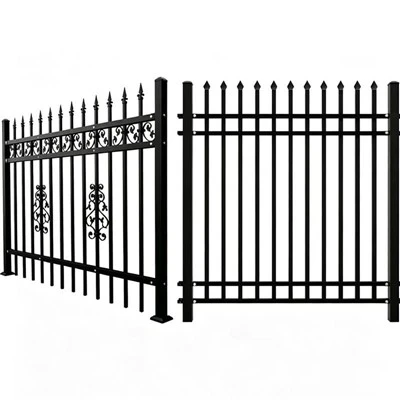
In urban construction projects, where ozone pollution is a common issue, Reinforced Macmat can be used for soil reinforcement and slope stabilization. It helps to prevent soil erosion and landslides, and its long - lasting performance means that the infrastructure remains stable and safe over time. For Garden Perimeter Fence applications, the ozone - resistant Reinforced Macmat can provide a durable and aesthetically pleasing solution that maintains its integrity despite exposure to the outdoor elements.

Factors Affecting Ozone Resistance
Although Reinforced Macmat has excellent ozone resistance, several factors can influence its long - term performance. The temperature plays a significant role. Higher temperatures can accelerate the rate of ozone - induced degradation, as the chemical reactions between ozone and the material occur more rapidly at elevated temperatures. Humidity can also have an impact. While Reinforced Macmat is generally resistant to moisture, high humidity combined with ozone can potentially affect its surface and, over time, lead to some degree of degradation.
The concentration of ozone in the environment is another crucial factor. In areas with extremely high ozone levels, such as industrial zones or near busy traffic intersections, the material may experience more stress. However, even under such challenging conditions, Reinforced Macmat has proven to be more resilient than many other geosynthetic materials.
Maintenance and Long - Term Performance
One of the advantages of Reinforced Macmat's ozone resistance is that it reduces the maintenance requirements. Since it is less prone to degradation, there is no need for frequent inspections and replacements. This not only saves time but also reduces costs associated with maintenance and repair.
To ensure the long - term performance of Reinforced Macmat, it is still important to follow proper installation procedures. This includes ensuring that the material is properly anchored and tensioned, and that it is not subjected to excessive mechanical stress during installation. Additionally, regular visual inspections can help to detect any potential issues early on, allowing for timely intervention if necessary.
Conclusion
In conclusion, the ozone resistance of Reinforced Macmat is a key property that makes it a highly valuable material in various applications. Its ability to withstand the oxidative effects of ozone ensures long - term performance, durability, and reliability. Whether it is used for soil stabilization, erosion control, or as part of a Composite Reinforced Geomat system, Reinforced Macmat provides a solution that can stand up to the challenges of the environment.
If you are in need of a high - quality, ozone - resistant geosynthetic material for your project, Reinforced Macmat is an excellent choice. We, as a supplier, are committed to providing the best products and services. If you are interested in purchasing Reinforced Macmat or have any questions regarding its application and performance, please feel free to contact us for procurement and negotiation. We will be happy to assist you in finding the most suitable solution for your specific needs.
References
- ASTM D1171 - Standard Test Method for Rubber Property - Resistance to Ozone Cracking in a Chamber
- Geosynthetics Institute. "Geosynthetics in Civil Engineering: Design, Construction, and Performance."