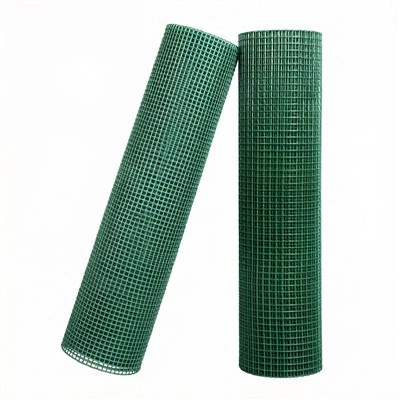

What are the noise - reduction benefits of perimeter fencing?
In today's bustling world, noise pollution has become a significant concern for many individuals and organizations. Whether it's the constant hum of traffic, the din from industrial activities, or the chatter in a crowded area, excessive noise can have detrimental effects on our physical and mental health. This is where perimeter fencing comes into play, offering not only security and privacy but also remarkable noise - reduction benefits. As a perimeter fencing supplier, I am excited to delve into the details of how our fencing solutions can help mitigate noise and create a more peaceful environment.
How Perimeter Fencing Reduces Noise
To understand the noise - reduction benefits of perimeter fencing, we first need to grasp the basic principles of sound propagation. Sound travels in waves through the air, and when these waves encounter an obstacle, such as a fence, several things can happen.
One of the primary ways a fence reduces noise is through absorption. Some types of perimeter fencing are designed with materials that can absorb sound energy. For example, fences made from dense materials like wood or composite materials have the ability to absorb a portion of the sound waves that hit them. When a sound wave strikes the surface of the fence, the energy of the wave causes the molecules in the fence material to vibrate. This vibration dissipates the sound energy as heat, effectively reducing the amount of sound that passes through the fence.


Another mechanism is reflection. A solid and smooth fence surface can reflect sound waves back towards the source. This reflection can disrupt the direct path of the sound, reducing the amount of noise that reaches the other side of the fence. For instance, a metal fence with a smooth finish can act as an effective reflector of sound waves, sending a significant portion of the noise back where it came from.
A third important factor is diffraction. When sound waves encounter the edge of a fence, they bend around it. The height and design of the fence play a crucial role in this process. A taller fence will force the sound waves to travel a longer distance around it, which further disperses the sound energy. Additionally, fences with a textured or irregular surface can cause the sound waves to diffract in multiple directions, reducing the intensity of the sound that reaches the protected area.
Types of Perimeter Fencing and Their Noise - Reduction Properties
Blade Barbed Wire
Blade Barbed Wire is not only known for its high - security features but also has some noise - reduction capabilities. While the barbs on the wire are mainly for deterrence, the metal structure of the wire and the framework it is attached to can act as a partial sound barrier. The metal can reflect and absorb a certain amount of sound energy, especially high - frequency sounds. You can learn more about Blade Barbed Wire on our website.
Sports Field Fencing
Sports Field Fencing is often installed to separate the playing area from the surrounding environment. These fences are typically made of chain - link or mesh materials, which may not seem like the most effective noise - reducers at first glance. However, when combined with additional padding or a solid backing, they can significantly reduce the noise generated by sports activities and the cheers of spectators. The fence can also prevent the sound from spreading too far beyond the field, creating a more controlled acoustic environment. Check out our Sports Field Fencing options.
School Fencing
In a school setting, noise reduction is crucial to provide a conducive learning environment. School Fencing can help block out external noise from traffic, construction, or nearby industrial areas. Fences made of wood or vinyl can absorb and reflect sound, reducing distractions for students. Additionally, the visual barrier created by the fence can also contribute to a sense of calm and privacy within the school grounds.
Airport Fence
Airports are extremely noisy environments due to the constant take - offs and landings of aircraft. Airport Fence serves a dual purpose of security and noise control. These fences are usually high and made of robust materials such as steel or concrete. The sheer mass and height of the fence help to block and reduce the propagation of aircraft noise, protecting nearby residential and commercial areas.
Framed Guardrail Fence
Framed Guardrail Fence is commonly used along roads and highways to prevent vehicles from leaving the road. It can also play a role in noise reduction. The solid frame and panels of the guardrail can absorb and reflect traffic noise, reducing the impact on nearby residents. The design of the fence can be optimized to enhance its noise - reduction performance. More information about Framed Guardrail Fence is available on our website.
Factors Affecting the Noise - Reduction Performance of Perimeter Fencing
Several factors can influence how effectively a perimeter fence reduces noise:
- Height: As mentioned earlier, a taller fence generally provides better noise reduction. Sound waves have to travel a greater distance around a taller fence, which results in more energy loss.
- Material Density: Denser materials are more effective at absorbing and blocking sound. For example, a solid brick fence will reduce noise better than a chain - link fence.
- Fence Design: A fence with a solid, unbroken surface will perform better than one with large gaps. Additionally, fences with a textured or corrugated surface can enhance diffraction and improve noise reduction.
- Distance from the Source: The closer the fence is to the noise source, the more effective it will be at reducing noise. Placing the fence as close as possible to the source can intercept the sound waves before they spread too far.
Real - World Applications of Noise - Reducing Perimeter Fencing
In residential areas, perimeter fencing can create a peaceful oasis away from the noise of the street. Homeowners can choose from a variety of fencing materials and designs to suit their aesthetic preferences while also enjoying the noise - reduction benefits. For example, a wooden privacy fence can not only block the view of neighbors but also muffle the sound of traffic and other outdoor noises.
Commercial properties can also benefit from noise - reducing perimeter fencing. For instance, a hotel located near a busy airport or highway can install a high - quality fence to reduce the impact of external noise on its guests. Similarly, an office building surrounded by construction sites can use fencing to create a more quiet and productive work environment.
Industrial facilities often generate a significant amount of noise. By installing perimeter fencing, these facilities can comply with noise regulations and also minimize the impact on nearby communities. Fences made of heavy - duty materials can effectively block the noise from machinery and other industrial processes.
Conclusion
Perimeter fencing offers a practical and effective solution for reducing noise pollution. Whether it's for residential, commercial, or industrial use, the right type of fence can significantly improve the acoustic environment. As a perimeter fencing supplier, we are committed to providing high - quality fencing solutions that not only meet your security and privacy needs but also offer excellent noise - reduction capabilities.
If you are interested in learning more about our perimeter fencing products and how they can help you reduce noise, we encourage you to contact us for a consultation. Our team of experts will be happy to discuss your specific requirements and recommend the best fencing options for your situation.
References
- Beranek, Leo L. Noise and Vibration Control. McGraw - Hill, 1971.
- Kryter, Karl D. The Handbook of Hearing and the Effects of Noise: Physiology, Psychology, and Public Health. Academic Press, 1994.
- Ross, Malcolm. Acoustics and Noise Control. Taylor & Francis, 2006.