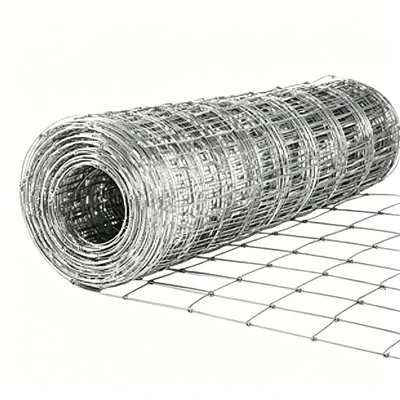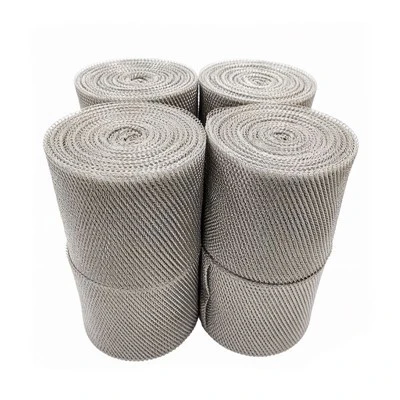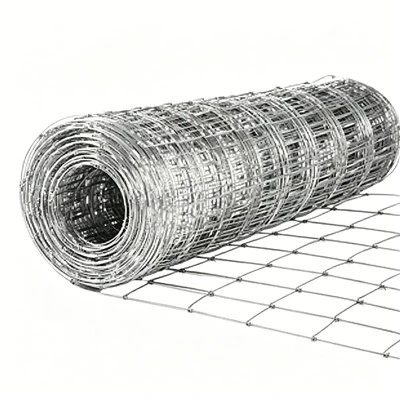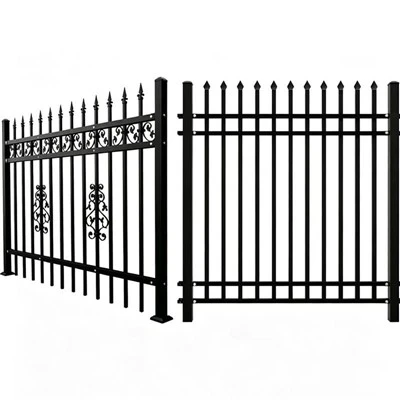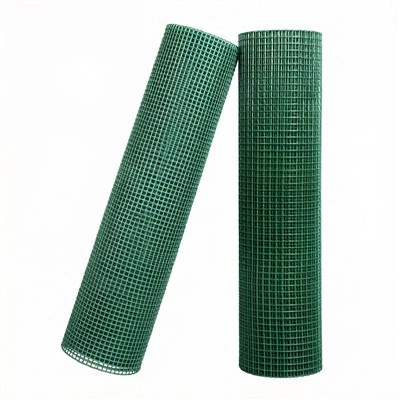

Finding the perfect green coated wire fencing for your needs can feel a bit like searching for a needle in a haystack. But don't worry! As a green coated wire fencing supplier, I've helped heaps of people pick out the right fencing, and I'm here to share some tips with you.
Understanding Your Needs
First off, you gotta figure out why you need the fencing in the first place. Is it for keeping your pets safe in the yard? Maybe you're looking to secure a sports field or a municipal area. Different uses call for different types of fencing.
Residential Use
If you're thinking about a Residential Yard Fence, you'll want something that looks good and is durable. You don't want your neighbors complaining about an eyesore, right? Green coated wire fencing is a great option because it blends in well with your garden and adds a touch of nature to your home. It can also be a good barrier to keep out unwanted critters. For a backyard, you might want a fence that's around 3 - 5 feet tall. This height is enough to keep small pets in and give you some privacy.
Sports Field Use
Sports fields are a whole different ballgame. You need a fence that can withstand a lot of wear and tear. Sports Field Fencing needs to be strong enough to stop balls from flying out, but also safe for the players. You don't want anyone getting hurt if they accidentally run into it. A taller fence, maybe 6 - 10 feet, is usually a good choice for sports fields. And make sure the wire is thick enough to handle the impact of balls and players.
Municipal Use
When it comes to Municipal Fencing, you're dealing with public areas. The fencing needs to be sturdy, long - lasting, and meet safety standards. It could be used to separate different areas in a park, or to secure a public building. The height and style of the fence will depend on the specific area. For example, a fence around a children's play area might need to be shorter and have small gaps to prevent kids from getting stuck.
School Use
School Fencing has its own set of requirements. Security is a big concern, so the fence needs to be difficult to climb. At the same time, it should allow for good visibility so teachers and security staff can keep an eye on what's going on. A medium - height fence with a tight mesh can be a good option for schools.


Framed Guardrail Use
If you're in need of a Framed Guardrail Fence, this is often used for things like highway safety or around construction sites. You need a fence that is rigid and can withstand heavy impacts. The frame adds extra strength to the wire fencing, making it a reliable choice in these high - risk areas.
Material and Quality
The material of the green coated wire fencing is super important. There are usually two main types of wire: galvanized and PVC - coated.
Galvanized Wire
Galvanized wire has a zinc coating that helps protect it from rust and corrosion. It's a durable option, especially if your fence will be outdoors in all kinds of weather. The galvanized layer acts as a shield, preventing moisture from getting to the wire and causing it to rot. However, it might not look as good as PVC - coated wire.
PVC - Coated Wire
PVC - coated wire is the green coated stuff that looks really nice. The PVC coating gives it a smooth, even finish. It also comes in different shades of green, so you can choose one that matches your surroundings. This type of coating not only looks great but also provides an extra layer of protection against the elements. The PVC is UV - resistant, so it won't fade easily in the sun.
Another thing to look at is the gauge of the wire. The gauge refers to the thickness of the wire. A lower gauge number means a thicker wire. For areas where the fence needs to be strong, like sports fields or industrial areas, you'll want a lower gauge wire. For less demanding areas, like a residential garden, a higher gauge wire might be sufficient.
Installation and Maintenance
Consider how easy the fencing is to install. Some green coated wire fencing comes in pre - made panels, which are super easy to put up. You just need to attach them to posts. Other types might require more work, like weaving the wire through the posts. If you're not very handy, you might want to go for the pre - made panels or hire a professional to do the installation for you.
Maintenance is also important. You don't want to spend hours every year taking care of your fence. Green coated wire fencing is generally low - maintenance. You might need to give it a quick wash with soapy water every once in a while to keep it looking good. If there are any damaged parts, you can usually replace them easily.
Budget
Your budget is probably one of the biggest factors in choosing the right fencing. Green coated wire fencing comes in a wide range of prices. Generally, thicker wire, better quality coatings, and specialized features will cost more. You need to find a balance between what you can afford and what you need. Don't skimp on quality, especially if the fence is for an important area like a sports field or a school. A cheap fence might end up costing you more in the long run if it needs to be replaced frequently.
Comparing Suppliers
As a supplier myself, I know there are a lot of options out there. When you're comparing suppliers, look at the quality of their products. Ask for samples if you can. Check their reviews and testimonials from other customers. A good supplier will stand behind their products and offer a warranty. Also, consider the customer service. You want a supplier who is easy to talk to and can answer all your questions.
Making the Decision
Once you've considered all these factors, it's time to make a decision. Write down your needs, your budget, and your preferences. Compare different types of green coated wire fencing and see which one fits the bill. Don't be afraid to ask for advice from the supplier. We're here to help you make the right choice.
If you've got any questions or you're ready to start the process of purchasing green coated wire fencing, feel free to reach out. We can have a chat about your specific needs and come up with the perfect solution for you. Whether it's a small residential yard fence or a large - scale sports field fencing project, we've got you covered.
References
- "Guide to Fence Materials and Types." Home Improvement Association.
- "Safety Standards for Sports Field Fencing." Sports Facilities Council.
- "Municipal Fencing Regulations." Local Government Resource Center.