
Fencing is an exhilarating sport that combines strategy, speed, and precision. School fencing competitions, in particular, can be a high - pressure environment for young athletes. As a School Fencing supplier, I've witnessed firsthand the challenges students face during these events. In this blog, I'll share some effective strategies on how to handle pressure during school fencing competitions.
Understanding the Source of Pressure
Before we can address the pressure, it's crucial to understand where it comes from. In school fencing competitions, pressure can stem from various sources. Firstly, there's the desire to perform well in front of peers, coaches, and parents. Students often feel the weight of expectations, whether it's to win a medal, impress their school, or simply prove themselves.
Secondly, the competitive nature of the sport itself adds to the pressure. Fencing is a one - on - one battle, and every move can determine the outcome of a match. The fear of making mistakes, losing points, or losing the entire match can be overwhelming.
Lastly, the time constraints in fencing can also contribute to stress. Each bout has a limited time, and athletes need to make quick decisions, which can be nerve - wracking.
Pre - Competition Preparation
Mental Preparation
Mental preparation is just as important as physical training. Encourage students to visualize success. They can close their eyes and imagine themselves performing well in the competition, making accurate attacks, and defending effectively. This technique helps build confidence and reduces anxiety.
Another mental strategy is positive self - talk. Athletes should replace negative thoughts like "I'm going to lose" with positive ones such as "I'm well - prepared and I can do this." By repeating these positive statements, they can change their mindset and approach the competition with a more confident attitude.
Physical Preparation
Proper physical preparation is essential for handling pressure. Students should maintain a regular training schedule that includes strength training, cardio, and fencing drills. A well - conditioned body is better able to handle the physical demands of the competition and can also reduce stress levels.
In addition to regular training, it's important to get enough rest and sleep in the days leading up to the competition. Fatigue can exacerbate stress and negatively impact performance. Encourage students to follow a healthy diet to ensure they have the energy needed for the competition.
During the Competition
Focus on the Process
Instead of fixating on the outcome, athletes should focus on the process of each bout. This means concentrating on their technique, footwork, and strategy. By breaking the match down into smaller, manageable steps, they can reduce the feeling of being overwhelmed.
For example, instead of thinking about winning the entire match, they can focus on winning each point. This approach helps them stay in the moment and make better decisions.
Breathe and Relax
Deep breathing is a simple yet effective way to reduce stress. When athletes feel anxious, they tend to hold their breath, which can increase tension in their bodies. By taking slow, deep breaths, they can calm their nerves and relax their muscles.
Encourage students to take a few deep breaths before each bout and during breaks. They can also use relaxation techniques such as progressive muscle relaxation, where they tense and then relax different muscle groups in their bodies.
Learn from Mistakes
Mistakes are inevitable in fencing. Instead of getting discouraged by them, athletes should view them as learning opportunities. After each bout, they can analyze what went wrong and how they can improve. This positive attitude can help them stay motivated and reduce the pressure of performing perfectly.
Post - Competition Reflection
After the competition, it's important for athletes to reflect on their performance. They can write down their thoughts and feelings about the competition, including what they did well and what they need to improve. This reflection can help them grow as fencers and better handle pressure in future competitions.
The Role of Fencing Equipment
As a School Fencing supplier, I understand the importance of high - quality fencing equipment. Good equipment can not only enhance performance but also boost confidence. For example, a well - fitting fencing mask provides clear vision and protection, allowing athletes to focus on the match without worrying about safety.
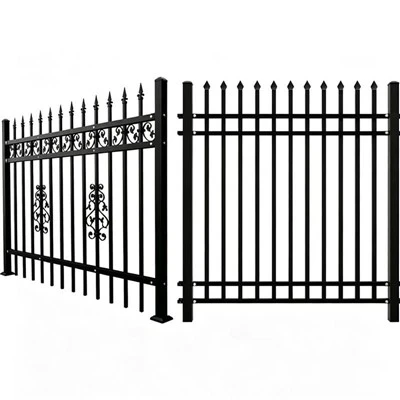
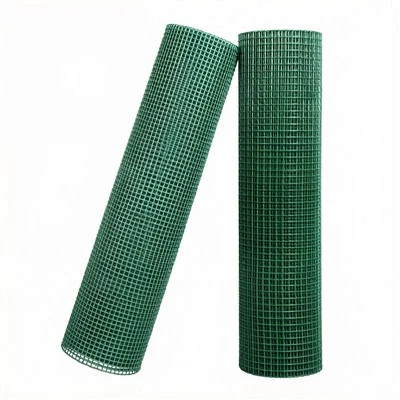
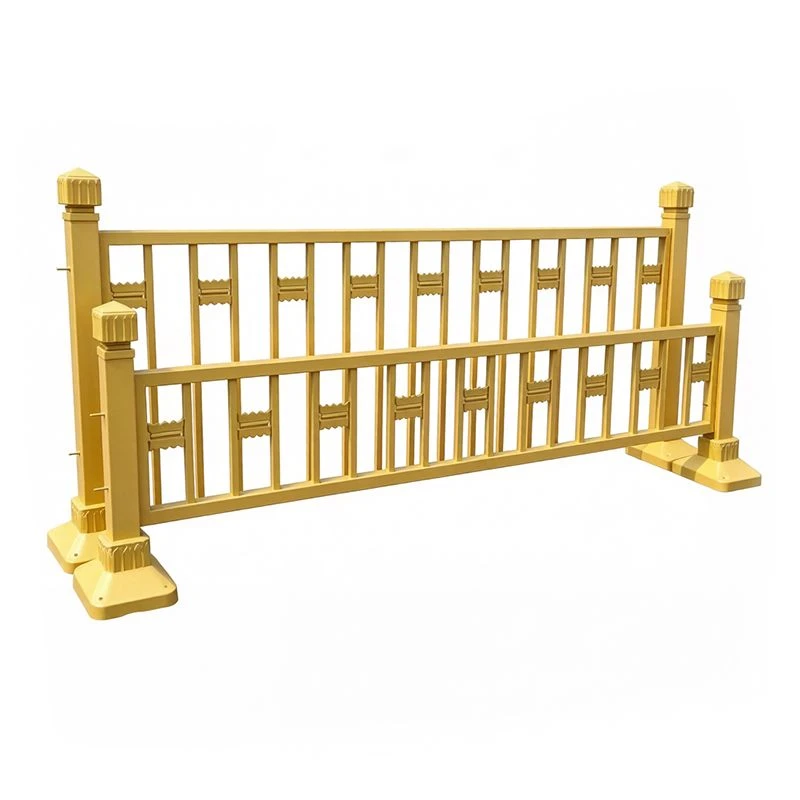
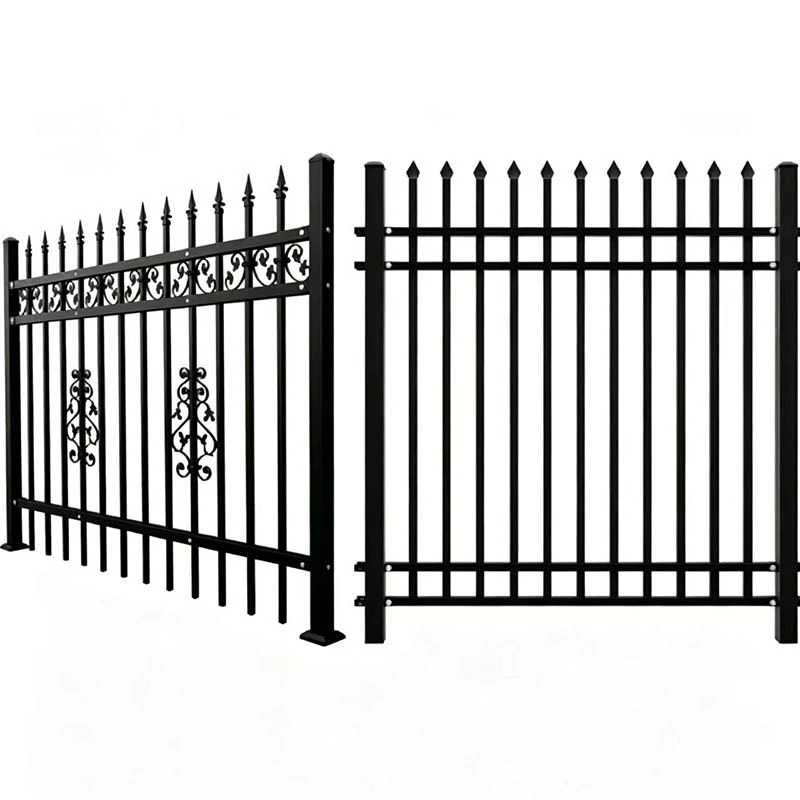
We offer a wide range of fencing equipment, including Municipal Fencing, Residential Yard Fence, Sports Field Fencing, School Fencing, and Green Coated Wire Fencing. Our products are designed to meet the needs of different fencing environments and athletes of all levels.
Conclusion
Handling pressure during school fencing competitions is a skill that can be developed through proper preparation, mental and physical training, and a positive attitude. By understanding the sources of pressure and implementing the strategies discussed in this blog, students can perform at their best and enjoy the sport.
If you're interested in purchasing high - quality fencing equipment for your school or sports club, feel free to get in touch with us for a procurement discussion. We're committed to providing the best products and services to support your fencing needs.
References
- "The Psychology of Sports Performance" by John Silva
- "Fencing: The Ultimate Guide" by Peter Westbrook