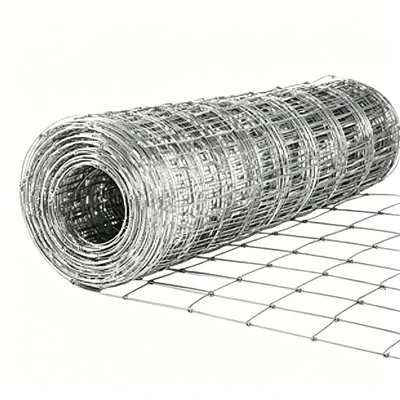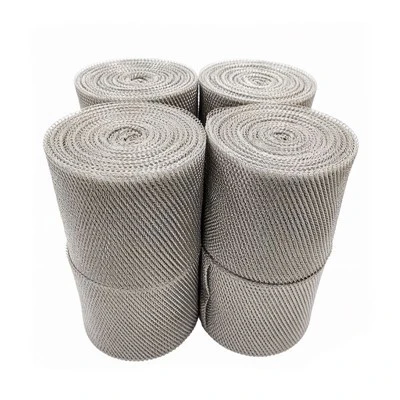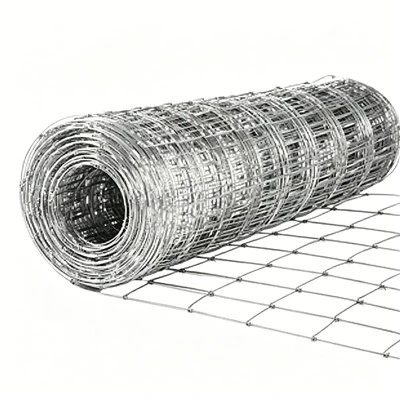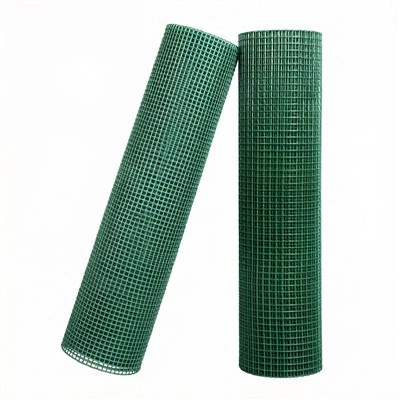

Hey there! As a supplier of Wire Mesh Brick Wall, I often get asked about the best way to join sections of a wire mesh brick wall. It's a crucial question because a proper join ensures the wall's stability, durability, and overall aesthetic appeal. So, let's dive right into it.
Understanding Wire Mesh Brick Walls
First off, for those who might not be familiar, wire mesh brick walls are a great alternative to traditional brick walls. They use wire mesh as a framework to support the bricks, which can offer several advantages. It can be lighter, more flexible, and in some cases, quicker to install. You can find more about the types of Mesh for Brickwork on our site.
Why Proper Joining Matters
Before we get into the methods, let's understand why proper joining is so important. A well - joined wire mesh brick wall will have better structural integrity. It can withstand external forces like wind, seismic activity, and even minor impacts without falling apart. Also, from an aesthetic point of view, a seamless join makes the wall look more professional and finished.
Methods of Joining Wire Mesh Brick Wall Sections
1. Welding
Welding is a popular method for joining the wire mesh in a wire mesh brick wall. When you weld the mesh sections together, you create a strong, permanent bond. The process involves using a welding machine to heat the wire at the joint until it melts and fuses with the wire from the other section.
One of the main advantages of welding is its strength. Once welded, the mesh becomes as strong as if it were a single piece. This is great for walls that need to bear a lot of weight or withstand high - stress situations. However, welding also has its drawbacks. It requires special equipment and skills. You can't just pick up a welding machine and start welding if you don't know what you're doing. There's also the risk of overheating the wire, which can weaken it in some cases.
2. Using Wire Ties
Wire ties are another simple and cost - effective way to join wire mesh sections. You can find wire ties in different gauges and materials. The process is straightforward. You simply wrap the wire tie around the intersection of the two mesh sections and twist it tightly to secure the joints.
The big plus of using wire ties is its simplicity. You don't need any special tools other than a pair of pliers. It's also a quick method, which can save you time during the installation process. On the downside, wire ties may not provide as strong a bond as welding. Over time, they can loosen, especially if the wall is subject to a lot of movement or vibration.
3. Using Connectors
There are various types of connectors available in the market specifically designed for joining wire mesh. These connectors come in different shapes and sizes to fit different types of mesh. Some connectors are designed to be inserted through the holes in the mesh, while others clip onto the wire.
Connectors offer a good balance between strength and ease of installation. They are generally stronger than wire ties and don't require the technical skills of welding. However, they can be a bit more expensive than wire ties. And you need to make sure you choose the right type of connector for your mesh to ensure a proper fit.
Factors to Consider When Choosing a Joining Method
1. Wall Requirements
The application of the wall plays a big role in choosing the joining method. If it's a load - bearing wall, welding or heavy - duty connectors might be the best choices. For a decorative wall or a wall that doesn't need to bear much weight, wire ties could be sufficient.


2. Budget
Your budget is also an important factor. Welding requires the purchase or rental of welding equipment, and you might need to hire a professional if you don't have the skills. Connectors can be a bit pricey, especially if you need a large number of them. Wire ties are the most budget - friendly option.
3. Skills and Tools Available
If you have the skills and tools for welding, it can be a great option. But if you're a DIY enthusiast with limited skills, wire ties or connectors might be more suitable. You don't want to end up with a poorly joined wall just because you tried a method that was beyond your capabilities.
Step - by - Step Guide for Joining with Wire Ties (a Popular DIY Method)
- Prepare Your Materials: Gather your wire mesh sections, wire ties, and a pair of pliers. Make sure the mesh sections are clean and free of any debris.
- Position the Mesh: Place the two mesh sections next to each other where you want to join them. Align the wires so that they fit together as closely as possible.
- Insert the Wire Tie: Take a wire tie and insert it through the intersection of the wires from the two mesh sections. Leave enough length on each end to be able to twist it tightly.
- Twist the Wire Tie: Use the pliers to grip one end of the wire tie and twist it around the other end. Make sure to twist it tightly to secure the joint. Repeat this process at regular intervals along the join for maximum stability.
Tips for a Successful Join
- No matter which method you choose, make sure the mesh sections are properly aligned before joining. Misaligned sections can lead to a weak joint and an uneven wall.
- If you're using welding, practice on a scrap piece of mesh first to get the right settings and technique.
- When using wire ties or connectors, check the tightness regularly, especially during the first few weeks after installation. This will help you catch any loose joints early.
Conclusion
In conclusion, there's no one - size - fits - all answer to the question of the best way to join sections of a wire mesh brick wall. It depends on various factors like the wall's requirements, your budget, and the skills and tools you have available. Whether you choose welding, wire ties, or connectors, the key is to ensure a strong and stable join.
If you're in the market for high - quality Wire Mesh Brick Wall products or have any questions about joining methods, don't hesitate to reach out. We're here to help you make the best decisions for your projects.
References
- Construction Industry Handbook on Wire Mesh Structures
- DIY Home Improvement Guides for Wire Mesh Applications