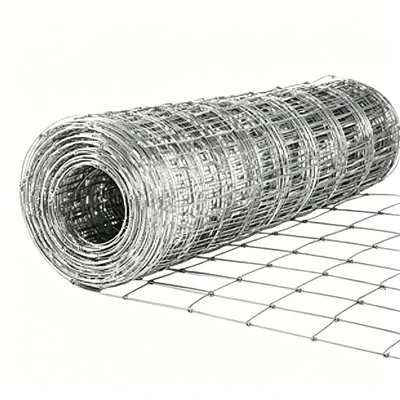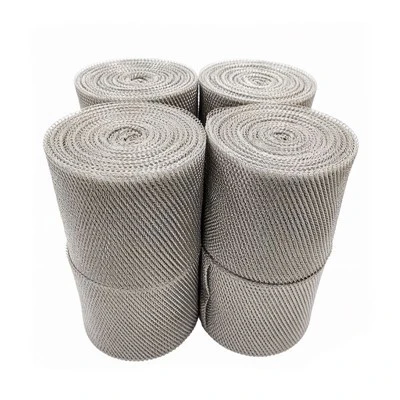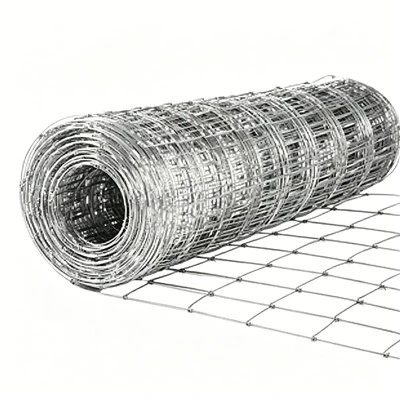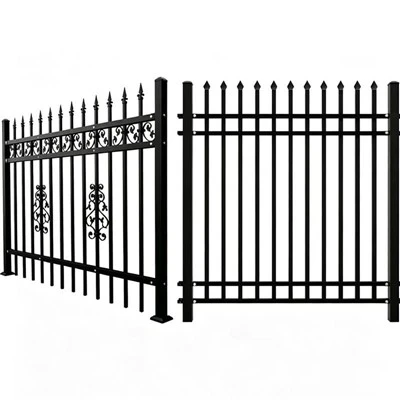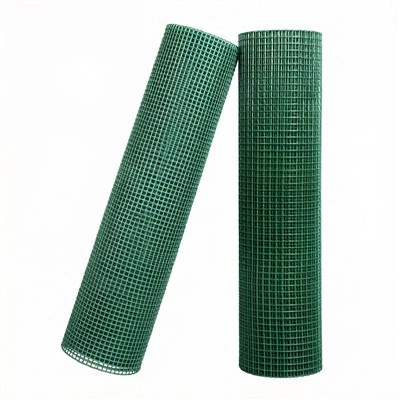

Livestock management is a complex and multi - faceted process, and one of the key elements is ensuring proper fencing. As a supplier of Livestock Fence Rolls, I've often been asked whether these fence rolls can be used in different terrains. The answer is a resounding yes, but with some considerations and adaptations for each specific type of terrain.
Flat and Open Terrains
Flat and open terrains, such as prairies or large pastures, are perhaps the easiest environments to install livestock fence rolls. In these areas, the ground is relatively even, which simplifies the installation process. The main advantage of using livestock fence rolls here is the ability to cover large areas quickly and efficiently.
For flat terrains, Livestock Fence Rolls can be unrolled in long stretches, creating a continuous barrier for livestock. The lack of significant obstacles means that fewer adjustments need to be made during installation. Additionally, flat ground provides a stable foundation for the fence posts, which are crucial for the overall stability of the fence.
However, even in flat terrains, there are some factors to consider. Wind can be a significant issue in open areas. Strong gusts can put pressure on the fence, potentially causing it to sag or even break. To counter this, it's important to install sturdy fence posts at regular intervals and use tensioning devices to keep the fence tight. Another consideration is the presence of wildlife. Some animals may try to dig under or jump over the fence, so the fence should be buried at least a few inches underground and have an appropriate height to deter such behavior.
Hilly Terrains
Hilly terrains present a different set of challenges and opportunities for using livestock fence rolls. On one hand, the slopes can make installation more difficult, as the ground is uneven. However, the natural contours of the hills can also be used to the advantage of the fence.
When installing livestock fence rolls on hills, it's important to follow the contour of the land. This may require cutting the fence rolls into smaller sections and making adjustments to the length of the fence between posts. The fence posts need to be driven into the ground at a proper angle to ensure stability. In some cases, it may be necessary to use longer or stronger posts on the steeper slopes.
One of the benefits of using livestock fence rolls on hilly terrains is that they can help prevent soil erosion. The fence acts as a barrier, holding the soil in place and reducing the impact of water runoff. Additionally, the hills can provide a natural barrier in combination with the fence, making it more difficult for livestock to escape.
Rocky Terrains
Rocky terrains are among the most challenging environments for installing livestock fence rolls. The presence of large rocks can make it difficult to drive fence posts into the ground. However, with the right tools and techniques, it is still possible to install a functional fence.
In rocky areas, it may be necessary to use a rock drill or a jackhammer to create holes for the fence posts. Alternatively, some suppliers offer special fence post systems that can be installed on top of the rocks without the need for deep holes. These systems often use brackets or anchors to secure the fence to the rocks.
PVC Coated Welded Mesh Fence can be a good option for rocky terrains. The PVC coating provides additional protection against corrosion, which is important in areas where the fence may come into contact with moisture and minerals from the rocks. The welded mesh is also strong enough to withstand the pressure of livestock against the fence, even in a less - than - ideal installation environment.
Wetlands and Marshy Terrains
Wetlands and marshy terrains are characterized by their high water content and soft ground. This can make it difficult to install traditional fence posts, as they may sink or become unstable. However, livestock fence rolls can still be used in these areas with some modifications.
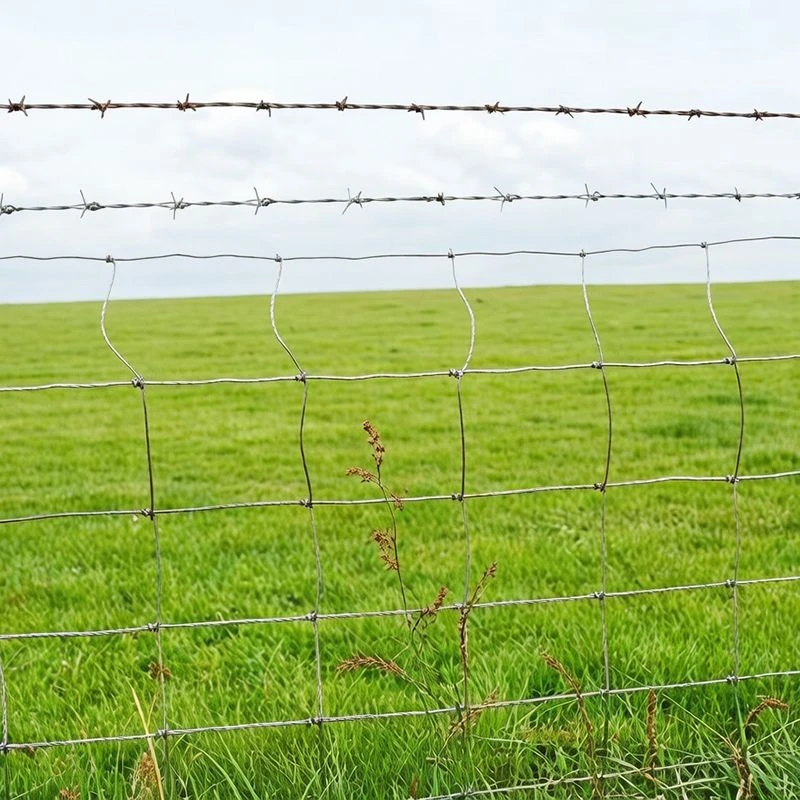

One approach is to use floating fence systems. These systems typically consist of a series of floats attached to the fence, which keep it above the water level. The fence can then be anchored to the ground using stakes or other types of anchors. Another option is to install the fence on raised platforms or berms. This helps to keep the fence out of the water and provides a more stable base for the fence posts.
Composite Reinforced Geomat can be used in conjunction with livestock fence rolls in wetland areas. The geomat can be placed on the ground before installing the fence to help stabilize the soil and prevent erosion. It also provides additional support for the fence posts, reducing the risk of them sinking into the soft ground.
Forested Terrains
Forested terrains have their own unique set of challenges when it comes to using livestock fence rolls. The presence of trees can make it difficult to unroll the fence and install the posts. However, the trees can also be used to the advantage of the fence.
In forested areas, it may be possible to use the trees as natural fence posts. This can save time and money on installing additional posts. However, it's important to ensure that the trees are healthy and strong enough to support the weight of the fence. If the trees are not suitable, traditional fence posts can be installed between the trees.
When installing livestock fence rolls in forests, it's also important to consider the impact on the environment. The fence should be installed in a way that minimizes damage to the trees and other vegetation. Plastic Coated Welded Wire Mesh can be a good option in forested areas, as it is less likely to cause damage to the trees and is more flexible than some other types of fencing materials.
Garden Perimeter Fence Considerations
Livestock fence rolls can also be used as Garden Perimeter Fence. In a garden setting, the terrain may be a combination of flat ground, small slopes, and perhaps some rocky or wet areas. The fence can help keep livestock and wildlife out of the garden, protecting the plants.
When using livestock fence rolls for a garden perimeter, the height and spacing of the fence should be adjusted according to the type of animals that need to be excluded. For example, if the main concern is small rodents, a lower fence with a smaller mesh size may be sufficient. If larger animals are a problem, a taller fence with a stronger mesh will be required.
Conclusion
In conclusion, livestock fence rolls can indeed be used in different terrains. Each terrain type presents its own set of challenges and opportunities, but with the right planning and installation techniques, a functional and durable fence can be created. As a supplier of Livestock Fence Rolls, I am committed to providing high - quality products and expert advice to help you choose the best fencing solution for your specific terrain and livestock management needs.
If you are interested in purchasing Livestock Fence Rolls or have questions about their suitability for your terrain, please feel free to contact me for a detailed discussion and to start the procurement process.
References
- "Fencing for Livestock Management" by Agricultural Extension Service
- "Terrain - Specific Fencing Solutions" in the Journal of Livestock Science
- "Best Practices for Fence Installation in Different Environments" from a leading fencing industry magazine