
Hey there! As a supplier of School Fencing, I've seen firsthand the importance of various aspects in school fencing training. One of the most overlooked yet crucial elements is footwork drills. In this blog, I'll dive into why these drills are so significant in school training.
1. Enhancing Physical Fitness
First off, footwork drills in fencing are a great way to boost students' physical fitness. Fencing is a high - intensity sport, and the footwork involved requires quick movements, balance, and endurance. When students practice footwork drills regularly, they're essentially getting a full - body workout.
For instance, lunges, which are a staple in fencing footwork, work on the quadriceps, hamstrings, and glutes. These leg muscles are strengthened, which not only improves the students' ability to move around the fencing strip but also helps in other physical activities. The constant shifting of weight from one foot to another during footwork drills also enhances core strength. A strong core is essential for maintaining balance and stability, which are key in fencing as well as in everyday life.
Moreover, the quick starts, stops, and changes in direction in footwork drills improve students' agility. They learn to react quickly and move precisely, which can translate into better performance in other sports like basketball or soccer. And let's not forget about cardiovascular health. The fast - paced nature of footwork training gets the heart pumping, increasing blood circulation and improving overall cardiovascular endurance.
2. Developing Strategic Thinking
Fencing is not just about physical strength; it's a mental game too. Footwork drills play a huge role in developing students' strategic thinking skills. When practicing footwork, students need to think about their positioning on the strip. They have to decide when to move forward to attack, when to retreat to defend, and how to create openings for themselves or close them for their opponents.
For example, in a fencing match, a well - timed step forward can put the opponent on the defensive. By practicing footwork drills, students learn to read their opponents' body language and anticipate their moves. They can then use their footwork to gain a strategic advantage. Maybe they'll use a feint followed by a quick lateral movement to get around their opponent's guard. These strategic decisions made during footwork drills are the same ones that will be used in real - life fencing competitions.
In addition, footwork drills teach students about spacing. Knowing how far away to stand from an opponent is crucial. If they're too close, they risk getting hit. If they're too far, they might miss the opportunity to attack. Through repetitive footwork training, students develop a sense of optimal spacing, which is a vital strategic element in fencing.
3. Improving Coordination
Coordination is another major benefit of footwork drills in school fencing training. Fencing requires the seamless integration of hand and foot movements. A student can't just rely on their excellent sword skills; they need to be able to move their feet in sync with their hands.
During footwork drills, students practice moving their feet while simultaneously manipulating the sword. They learn to step forward while making an attack or step back while parrying. This coordination between upper and lower body movements is not easy to master, but with consistent practice, students can significantly improve their fencing abilities.
Furthermore, the eye - foot coordination is also improved. Fencers need to be able to see their opponents' movements and react with their feet accordingly. Footwork drills help students develop this important skill, allowing them to quickly adjust their position based on what they see happening on the strip.
4. Reducing the Risk of Injury
When students engage in footwork drills, they're also equipping themselves with the skills to prevent injuries. Proper footwork teaches students how to move safely on the fencing strip. For example, learning how to land softly after a lunge can reduce the impact on the joints, especially the knees.
The balance and stability gained from footwork training also play a role in injury prevention. A fencer with good footwork is less likely to trip or fall during a match. This is because they have better control over their body movements and can quickly recover from any unexpected missteps.
Moreover, by strengthening the muscles through footwork drills, students are providing better support for their joints. Stronger muscles can absorb more stress, reducing the risk of sprains and strains. This is especially important in a sport like fencing, where quick and forceful movements are common.
5. Building Confidence
Footwork drills in school fencing training can do wonders for a student's confidence. As students master different footwork techniques, they start to feel more in control of their movements on the strip. They become less hesitant and more willing to take risks in a match.
For example, when a student has practiced a particular footwork sequence so many times that they can execute it flawlessly, they'll approach a fencing competition with more self - assurance. They know that they have the skills to move around the strip effectively and take on their opponents. This confidence can have a positive impact on their overall performance, as they're more likely to make bold and decisive moves.
In addition, the sense of accomplishment that comes with improving footwork skills can be a great motivator. Students who see their progress over time are more likely to stay engaged in the sport and continue to work hard to improve.


Our Fencing Products for Schools
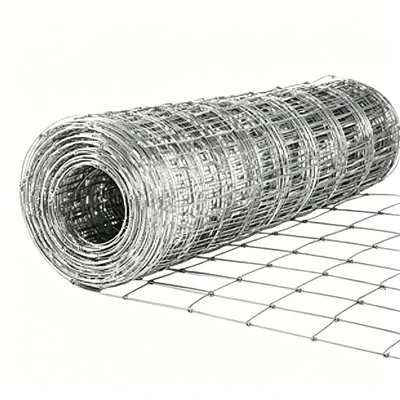
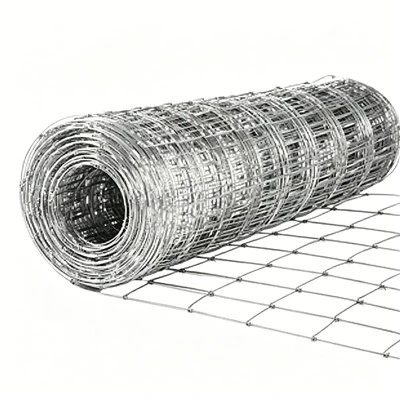
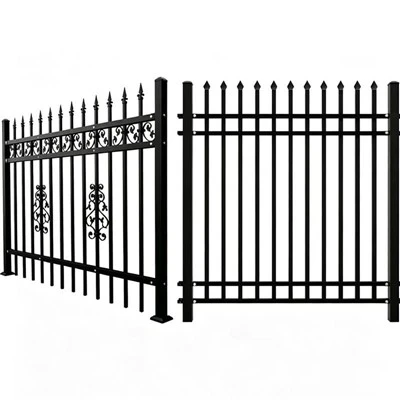
As a School Fencing supplier, we understand that a safe and high - quality fencing environment is essential for effective training. We offer a wide range of fencing products, including Sports Field Fencing, Framed Guardrail Fence, Airport Fence, and Municipal Fencing.
Our fencing products are designed to be durable, safe, and aesthetically pleasing. They can withstand the rigors of school sports activities and provide a secure perimeter for the fencing area. Whether you're looking for a simple and practical fence or a more elaborate design, we have the right solutions for you.
If you're interested in enhancing your school's fencing facilities or need more information about our products, we'd love to have a chat with you. Contact us to discuss your specific requirements and let's work together to create the perfect fencing environment for your school's fencing training.
References
- Brown, J. (2020). The Art of Fencing: A Comprehensive Guide. Sports Publishing.
- Smith, A. (2019). Footwork in Fencing: Techniques and Benefits. Journal of Sports Training.