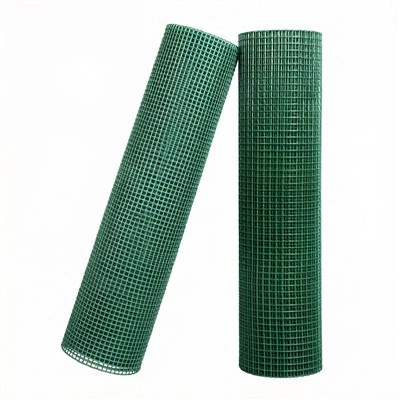

Hey there! As a supplier of Reinforced Macmat, I often get asked about its radiation resistance. In this blog, I'm gonna explain what the radiation resistance of Reinforced Macmat is, why it matters, and how it stacks up in different scenarios.
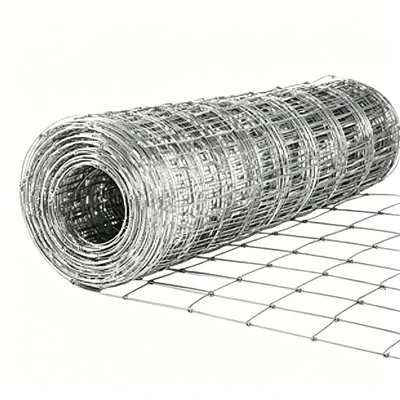
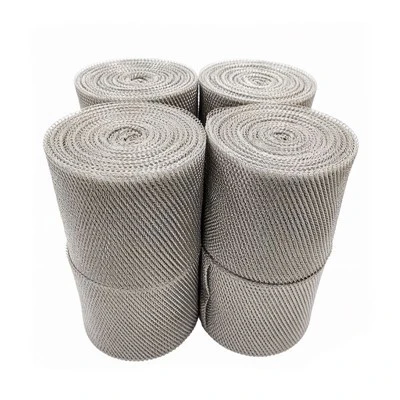
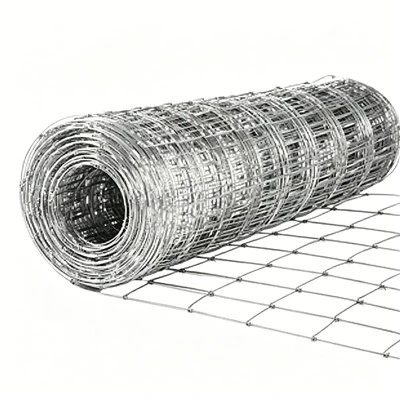
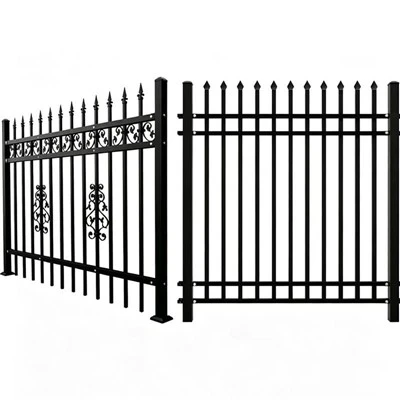
First off, let's talk about what Reinforced Macmat actually is. It's a composite material that's got some pretty cool properties, especially when it comes to reinforcing and protecting various structures. It's used in a bunch of different applications, like Composite Reinforced Geomat. This stuff is great for things like soil stabilization, erosion control, and even as a base layer for different types of fencing, like Metal Field Fencing, Farm Perimeter Fence, Garden Perimeter Fence, and Home Perimeter Fence.
Now, onto radiation resistance. Radiation can come in many forms, like electromagnetic radiation, which includes radio waves, microwaves, infrared, visible light, ultraviolet, X - rays, and gamma rays. When we talk about the radiation resistance of Reinforced Macmat, we're mainly concerned with how it holds up against these types of radiation and whether it can protect the underlying structures or materials from any harmful effects.
One of the key factors in the radiation resistance of Reinforced Macmat is its composition. It's made up of a combination of materials, usually a polymer matrix reinforced with fibers. The polymer matrix can act as a shield to some extent. For example, certain polymers have properties that can absorb or reflect electromagnetic radiation. The fibers, on the other hand, add strength and stability to the material, which can also play a role in its overall resistance to radiation.
Let's take a closer look at how Reinforced Macmat deals with different types of radiation:
Electromagnetic Radiation
- Radio Waves and Microwaves: These are low - energy forms of electromagnetic radiation. Reinforced Macmat generally has a good level of resistance to radio waves and microwaves. The polymer matrix can absorb some of the energy, and the structure of the material can prevent the waves from easily penetrating through. This means that if you're using Reinforced Macmat in an area where there are radio or microwave emissions, it can help protect the underlying structures from any interference or potential damage.
- Infrared Radiation: Infrared radiation is associated with heat. Reinforced Macmat can act as an insulator to some degree. The polymer matrix can slow down the transfer of heat, and the fiber reinforcement can help maintain the structural integrity of the material even when exposed to infrared radiation. This is useful in applications where you want to protect against heat - related damage, like in some industrial settings or in outdoor structures exposed to sunlight.
- Visible Light: Visible light is the part of the electromagnetic spectrum that we can see. Reinforced Macmat is usually not significantly affected by visible light. However, over long - term exposure, some polymers may experience a phenomenon called photodegradation, which can cause the material to become brittle or change color. But the fiber reinforcement in Reinforced Macmat can help mitigate these effects to a certain extent.
- Ultraviolet (UV) Radiation: UV radiation is a bit more of a concern. It can cause damage to polymers by breaking down their chemical bonds. This can lead to a loss of strength, flexibility, and overall durability of the Reinforced Macmat. To counter this, many manufacturers add UV stabilizers to the polymer matrix. These stabilizers absorb the UV radiation and prevent it from causing damage to the polymer chains. This way, the Reinforced Macmat can maintain its performance even when exposed to long - term sunlight.
- X - rays and Gamma Rays: These are high - energy forms of radiation. Reinforced Macmat isn't typically designed to provide complete protection against X - rays and gamma rays. However, it can still offer some level of shielding, depending on its thickness and composition. The polymer matrix and fibers can absorb and scatter some of the radiation, reducing the amount that reaches the underlying structures.
Why Radiation Resistance Matters
The radiation resistance of Reinforced Macmat matters in a lot of real - world applications. In the case of using it for fencing, such as Farm Perimeter Fence or Garden Perimeter Fence, radiation from sunlight can cause the material to degrade over time. If the Reinforced Macmat has good radiation resistance, it will last longer, reducing the need for frequent replacements.
In industrial settings, where there may be electromagnetic emissions from machinery or other equipment, radiation - resistant Reinforced Macmat can help protect sensitive components and wiring. It can prevent interference and damage, ensuring the proper functioning of the industrial processes.


How to Evaluate the Radiation Resistance of Reinforced Macmat
When choosing Reinforced Macmat, there are a few things you can look at to evaluate its radiation resistance. First, check the product specifications provided by the manufacturer. They should include information about the material's resistance to different types of radiation, especially UV radiation.
You can also look at the results of independent testing. Some manufacturers have their products tested by third - party laboratories to verify their radiation - resistant properties. These test results can give you a more accurate idea of how well the Reinforced Macmat will perform in real - world conditions.
Another way is to look at the track record of the material in similar applications. If other customers have used the Reinforced Macmat in areas with high radiation exposure and have had positive results, it's a good sign that the material has good radiation resistance.
Comparison with Other Materials
Compared to some other traditional materials, Reinforced Macmat has some advantages when it comes to radiation resistance. For example, compared to simple plastic sheets, the fiber reinforcement in Reinforced Macmat makes it more durable and better able to withstand the effects of radiation. Plastic sheets may become brittle and crack more easily when exposed to UV radiation, while Reinforced Macmat can maintain its integrity for a longer time.
When compared to metal materials, Reinforced Macmat may not be as good at shielding high - energy radiation like X - rays and gamma rays. But for most common types of electromagnetic radiation, such as UV and infrared, it can offer comparable or even better performance, especially when considering its lightweight and corrosion - resistant properties.
Conclusion
In summary, the radiation resistance of Reinforced Macmat is an important property that affects its performance and durability in various applications. Its composition, including the polymer matrix and fiber reinforcement, plays a crucial role in determining how well it can resist different types of radiation. By understanding the radiation - resistant properties of Reinforced Macmat, you can make a more informed decision when choosing it for your projects, whether it's for Metal Field Fencing, Composite Reinforced Geomat, or any other application.
If you're interested in learning more about our Reinforced Macmat or think it might be a good fit for your project, don't hesitate to reach out. We'd be more than happy to discuss your specific needs and help you find the right solution. Contact us today to start the conversation and see how our Reinforced Macmat can work for you.
References
- ASTM International standards on radiation resistance testing for composite materials.
- Industry reports on the performance of Reinforced Macmat in different environments.