
Hey there! As a supplier of Metal Field Fencing, I often get asked if it's a good choice for a vegetable garden. Well, let's dive into this topic and see if metal field fencing is the right fit for your green oasis.
Why Consider Metal Field Fencing for a Vegetable Garden?
First off, let's talk about the perks. Metal field fencing is tough as nails. It can withstand all kinds of weather conditions, from scorching summers to freezing winters. Unlike some other types of fencing, it won't rot, warp, or get eaten by pests. This means it'll last you a long time, giving you great value for your money.
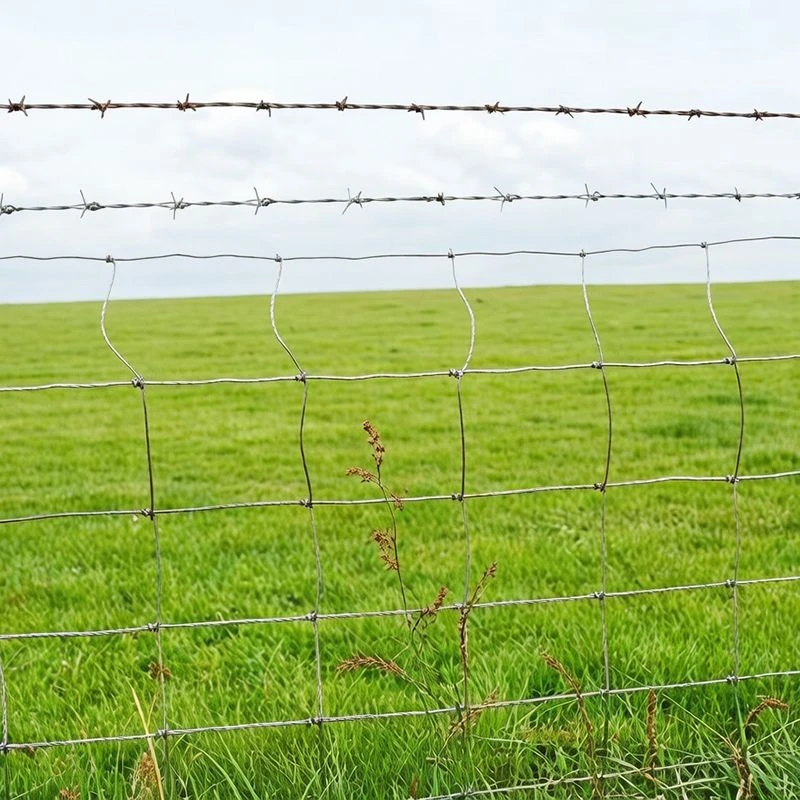
Another big plus is its security. If you've got critters like rabbits, deer, or even neighborhood pets that might be tempted to munch on your veggies, metal field fencing can be a real game - changer. It forms a solid barrier that keeps unwanted visitors out, allowing your vegetables to grow in peace.
It's also pretty flexible in terms of installation. You can set it up in various configurations to fit the shape and size of your garden. Whether you've got a small square plot or a long, narrow one, you can make metal field fencing work for you.
Types of Metal Field Fencing
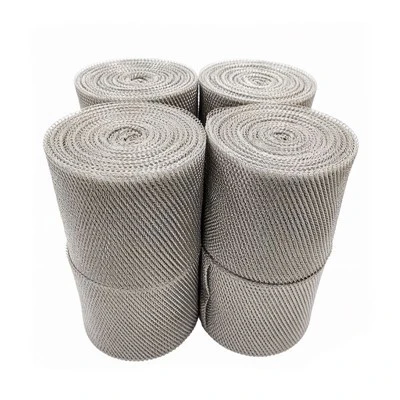
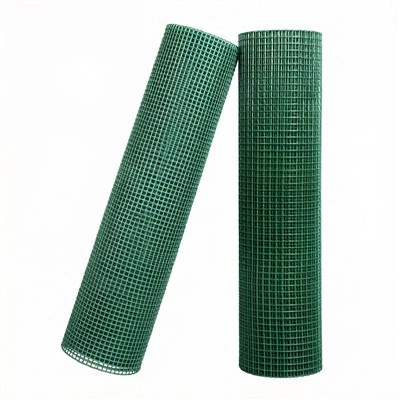
There are different types of metal field fencing out there, each with its own features. For example, PVC Coated Welded Mesh Fence. This type has a PVC coating, which not only adds an extra layer of protection against rust but also gives it a more attractive look. It's available in different mesh sizes, so you can choose one that's appropriate for the size of the pests you're trying to keep out.
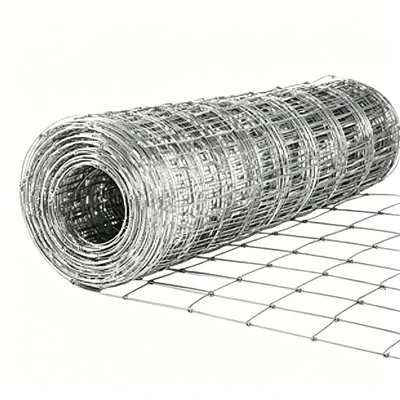
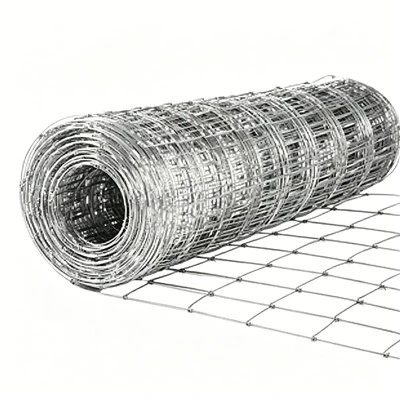
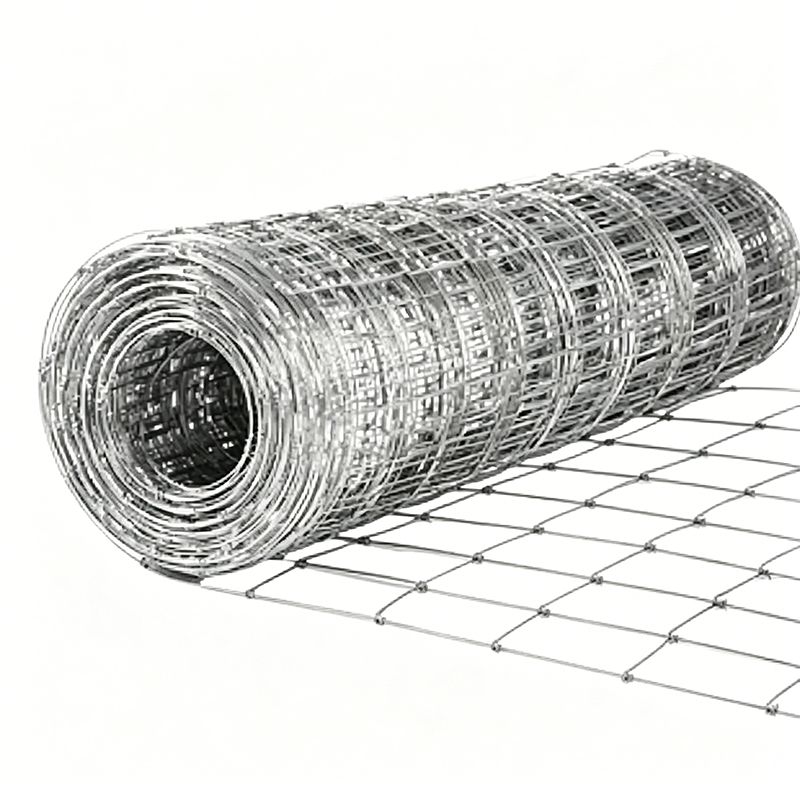
Then there are Livestock Fence Rolls. These are typically made of heavier - gauge wire and are designed to contain larger animals. But they can also be great for a vegetable garden, especially if you're worried about larger pests like deer. The sturdy construction means it can handle some pressure from animals trying to push through.
Installation Considerations
Installing metal field fencing for your vegetable garden isn't too complicated, but there are a few things to keep in mind. First, you'll need to measure your garden area accurately. This will help you determine how much fencing you need to buy.
You'll also need to prepare the ground. Clear away any weeds, rocks, or debris from the area where you'll be installing the fence. It's a good idea to mark the corners and edges of your garden so you know where to place the fence posts.
When it comes to the posts, you can use wooden, metal, or concrete ones. Metal posts are often a popular choice because they're durable and easy to install. Make sure the posts are set firmly in the ground, at least a couple of feet deep, to ensure the fence is stable.
Once the posts are in place, you can start unrolling the metal field fencing and attaching it to the posts. You can use wire clips, staples, or other fasteners to secure the fence. Make sure it's pulled tight so there are no sagging sections.
Potential Drawbacks
Of course, like anything, metal field fencing also has its potential drawbacks. One of the main concerns is the initial cost. Compared to some other types of fencing, like chicken wire or plastic fencing, metal field fencing can be a bit more expensive. However, when you consider its long - term durability, it can end up being a cost - effective choice in the long run.
Another issue is that it can be a bit of a hassle to install if you're doing it by yourself. It's heavy and can be difficult to maneuver, especially if you're working with large rolls. You might need to enlist the help of a friend or two to make the installation process go more smoothly.
Comparing with Other Fence Options
Let's take a quick look at how metal field fencing stacks up against some other common fence options for vegetable gardens.
Wooden fencing is another popular choice. It has a natural look that many people find appealing. However, as I mentioned earlier, it can rot over time, especially if it's exposed to a lot of moisture. It also requires regular maintenance, like staining or painting, to keep it looking good and functioning properly.
Plastic fencing is lightweight and easy to install. It's also relatively inexpensive. But it might not be as durable as metal field fencing. It can crack, fade, or break down in extreme weather conditions.
Chicken wire is a budget - friendly option. It's effective at keeping out small pests, but it's not very strong. Larger animals can easily push through it, and it doesn't have the same long - term durability as metal field fencing.
Other Applications of Metal Field Fencing
Apart from vegetable gardens, metal field fencing has many other uses. For example, Farm Perimeter Fence. It can be used to mark the boundaries of a farm and keep livestock in and unwanted animals out. It provides a strong and reliable barrier for large areas.
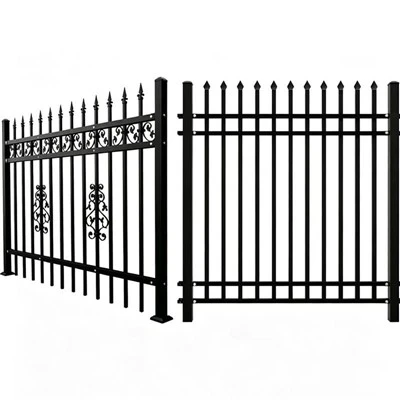
It's also great for Home Perimeter Fence. You can use it to enclose your backyard, adding an extra layer of security and privacy. Whether you want to keep your kids and pets safe or just create a defined outdoor space, metal field fencing can do the job.
Maintenance
Maintaining metal field fencing is relatively easy. As long as you've chosen a high - quality option, like Metal Field Fencing from our selection, you won't have to do too much.
Regularly inspect the fence for any signs of damage, such as loose wires or bent sections. If you notice any issues, you can easily repair them using wire cutters and pliers. You can also give the fence a quick rinse with a garden hose every once in a while to remove dirt and debris.
Conclusion
So, can you use metal field fencing for a vegetable garden? Absolutely! It offers a great combination of durability, security, and flexibility. While it might have a slightly higher upfront cost and can be a bit challenging to install, the long - term benefits are well worth it.
If you're interested in purchasing metal field fencing for your vegetable garden or any other application, feel free to reach out. We're here to answer any questions you might have and help you choose the right fencing for your needs. We can offer you professional advice on installation and maintenance, ensuring you get the most out of your investment. Contact us today to start the ball rolling on your garden fencing project!
References
- Gardening Basics Handbook
- Fencing Materials and Their Uses Guide