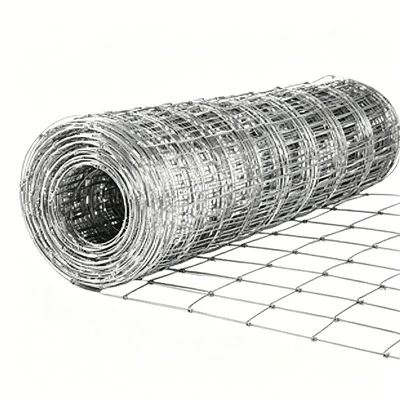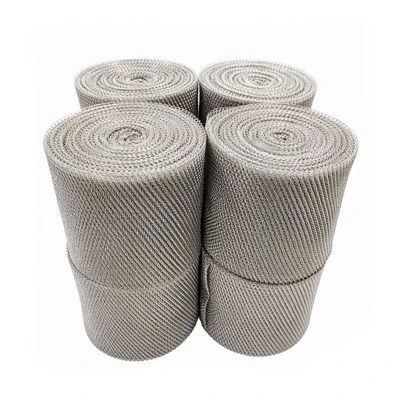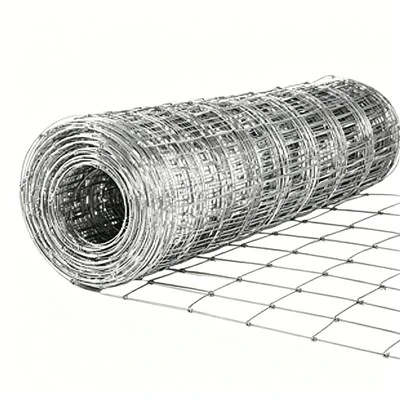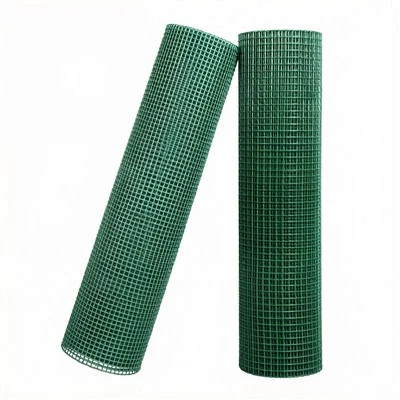

Hey there! As a supplier of Metal Mesh Mist Eliminators, I've seen firsthand how the weave pattern of the metal mesh can have a huge impact on the performance of these devices. So, I thought I'd take a few minutes to chat with you about it.
First off, let's talk about what a Metal Mesh Mist Eliminator is. It's a device that's used to remove liquid droplets from gas or air streams. It's commonly used in industrial applications, like chemical processing, petroleum refining, and power generation, to name a few. The metal mesh acts as a filter, capturing the liquid droplets as the gas or air passes through it.
Now, the weave pattern of the metal mesh is really important because it determines how well the mist eliminator will work. Different weave patterns have different characteristics, which can affect things like the efficiency of the mist removal, the pressure drop across the device, and the durability of the mesh.
One of the most common weave patterns is the plain weave. In a plain weave, the wires in the mesh are woven over and under each other in a simple pattern. This pattern is relatively easy to make and is very strong. It's also good at capturing larger droplets, but it may not be as effective at capturing smaller droplets.
Another common weave pattern is the twill weave. In a twill weave, the wires are woven in a diagonal pattern. This pattern is more open than the plain weave, which means it has a lower pressure drop. It's also better at capturing smaller droplets because the diagonal pattern creates more turbulence in the gas or air stream, which helps to knock the droplets out of the flow.
There's also the Dutch weave, which is a more complex pattern. In a Dutch weave, the wires are woven in a way that creates small openings in the mesh. This pattern is very effective at capturing very small droplets, but it also has a higher pressure drop because the gas or air has to pass through the smaller openings.
So, how do you choose the right weave pattern for your Metal Mesh Mist Eliminator? Well, it depends on a few factors. First, you need to consider the size of the droplets you're trying to remove. If you're dealing with larger droplets, a plain weave may be sufficient. But if you need to capture smaller droplets, a twill or Dutch weave may be a better choice.
You also need to consider the pressure drop. If you have a system that can tolerate a higher pressure drop, you may be able to use a weave pattern that's more effective at capturing droplets. But if you have a system that's sensitive to pressure changes, you'll need to choose a weave pattern with a lower pressure drop.
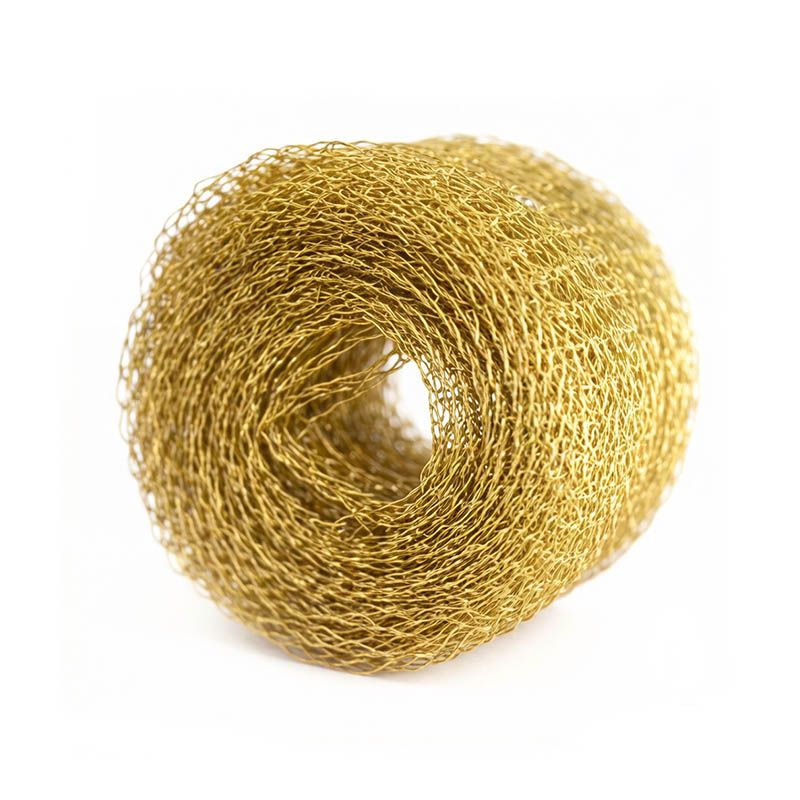
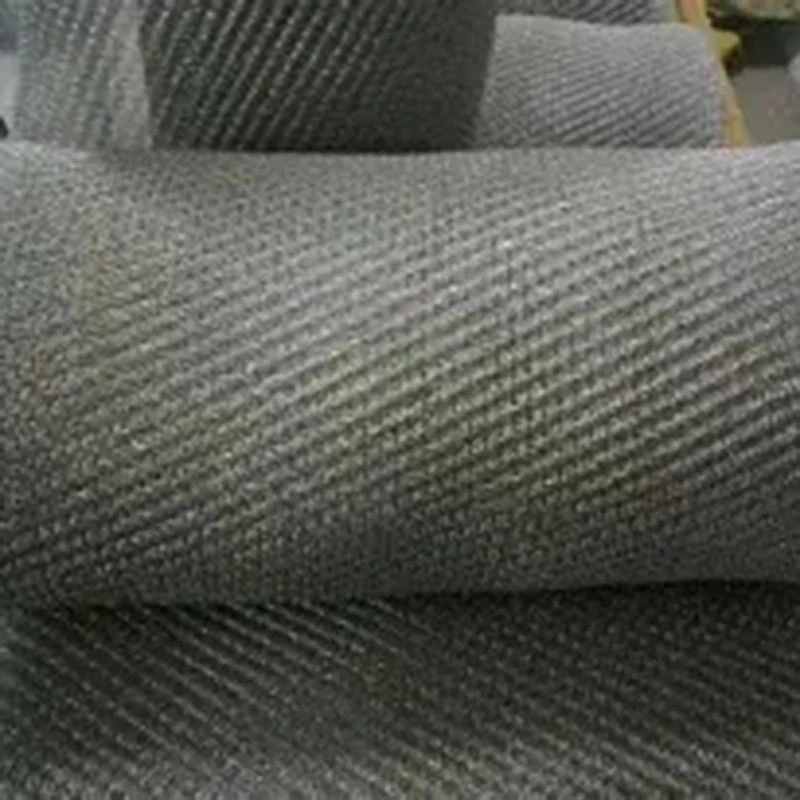
Another factor to consider is the durability of the mesh. Some weave patterns are stronger than others and can withstand more wear and tear. If you're using the mist eliminator in a harsh environment, you'll need to choose a weave pattern that's more durable.
At our company, we offer a wide range of Metal Mesh Mist Eliminators with different weave patterns to meet the needs of our customers. We also have a team of experts who can help you choose the right weave pattern for your specific application.
If you're in the market for a Metal Mesh Mist Eliminator, I encourage you to check out our Demister Mesh, Mist Eliminator Mesh, and Metal Mesh Filter Screen products. We offer high-quality products at competitive prices, and we're committed to providing excellent customer service.
Whether you're a small business or a large industrial operation, we can help you find the right Metal Mesh Mist Eliminator for your needs. So, don't hesitate to contact us if you have any questions or if you're ready to place an order. We're here to help you every step of the way.
So, that's a quick overview of how the weave pattern of the metal mesh can affect the performance of a Metal Mesh Mist Eliminator. I hope this has been helpful to you. If you have any other questions or if you'd like to learn more about our products, please don't hesitate to reach out. We'd love to hear from you!
References
- Kister, Henry Z. Distillation Design. McGraw - Hill, 1992.
- Schweitzer, Philip A. Handbook of Separation Techniques for Chemical Engineers. McGraw - Hill, 1997.
- Walas, Stanley M. Phase Equilibria in Chemical Engineering. Butterworth - Heinemann, 1985.