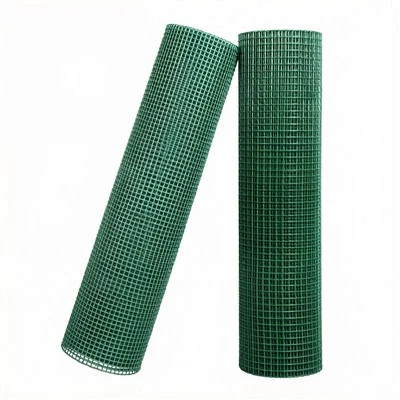

A sturdy farm perimeter fence is essential for protecting livestock, securing boundaries, and safeguarding crops. However, over time, fences can become damaged due to various factors such as weather conditions, animal pressure, or accidental impacts. In this blog post, I'll share comprehensive guidance on how to fix a broken farm perimeter fence, drawing on my experience as a Farm Perimeter Fence supplier.
Step 1: Assess the Damage
The first step in fixing a broken farm perimeter fence is to thoroughly assess the extent of the damage. Walk along the fence line and carefully inspect each section for signs of wear, tear, or structural issues. Look for loose or broken wires, damaged posts, and any areas where the fence has been pushed out of alignment. Make a note of all the damaged areas and the type of repair needed. For minor issues like a few loose wires, you may be able to make simple repairs on your own. However, more extensive damage might require professional help or the replacement of entire sections of the fence.
Step 2: Gather the Necessary Tools and Materials
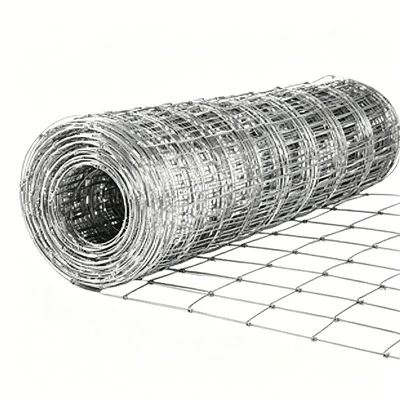
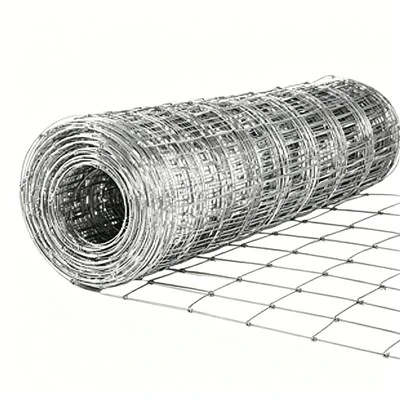
Once you've assessed the damage, it's time to gather the tools and materials needed for the repair. The specific tools and materials will depend on the type of fence you have. Common tools include wire cutters, pliers, a hammer, a post driver, a level, and a measuring tape. As for materials, you might need new wires, posts, connectors, and PVC Coated Welded Mesh Fence or other suitable fencing materials. If your fence is for livestock, Livestock Fence Rolls could be a great option to ensure the safety and containment of the animals.
Step 3: Repair or Replace Damaged Posts
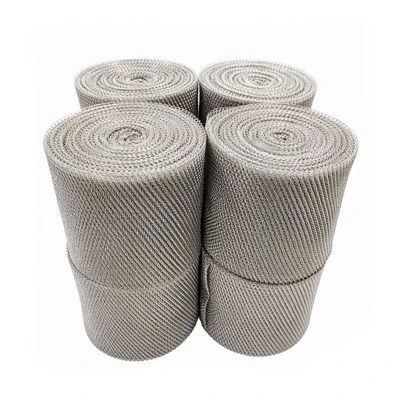
Posts are the backbone of a farm perimeter fence, providing support and stability. If you find any damaged or rotted posts, it's crucial to repair or replace them as soon as possible. To replace a post, start by digging around the base of the damaged post using a post hole digger. Remove the old post and place the new one in the hole. Make sure the post is plumb using a level, and then fill the hole with concrete or compacted soil to secure it in place. If the post is only slightly damaged, you may be able to reinforce it with a metal brace or a Composite Reinforced Geomat to add extra strength.
Step 4: Fix Loose or Broken Wires
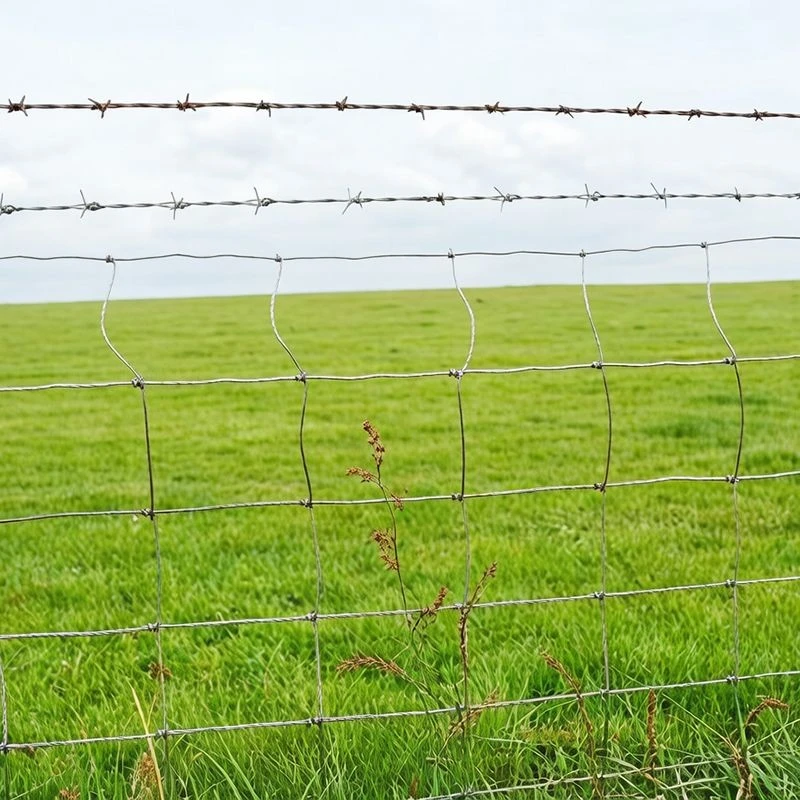
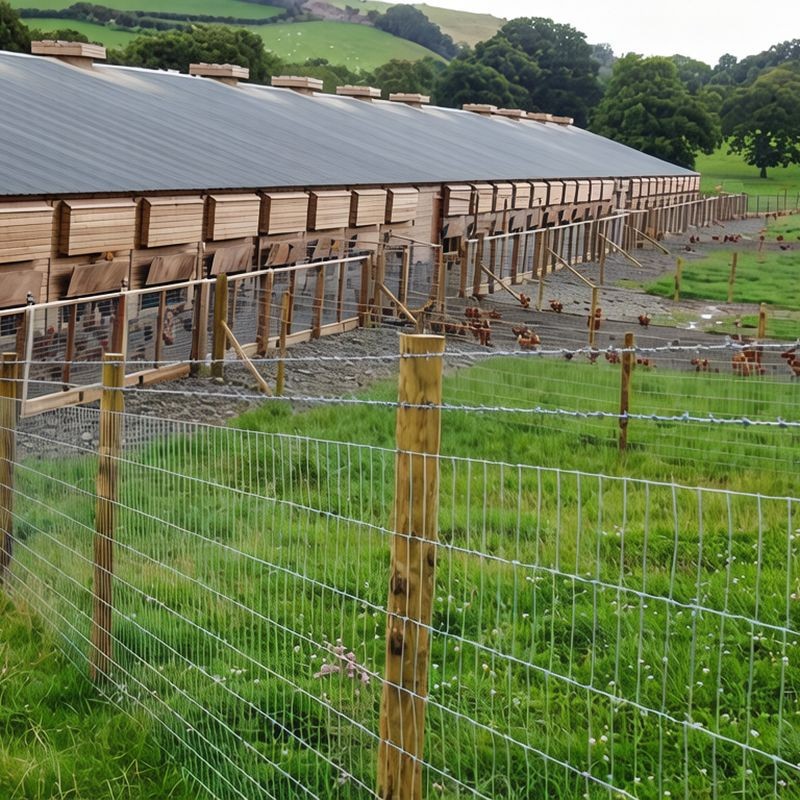
Loose or broken wires are a common problem in farm fences. To fix them, use wire cutters to remove any damaged sections of the wire. Then, use pliers to twist the ends of the remaining wires together tightly. If the break is in the middle of a long section of wire, you may need to splice in a new piece of wire. Make sure to use wire connectors or staples to secure the new wire in place. For fences with a mesh design, such as PVC Coated Welded Mesh Fence, check for any holes or tears in the mesh. You can use a patch kit or additional mesh to repair these areas.
Step 5: Re-align the Fence
Over time, fences can become misaligned due to various factors. To re-align the fence, start by checking the tension of the wires. If the wires are too loose, use a come-along or a fence stretcher to tighten them. Make sure the fence is straight and level as you go. If the fence has been pushed out of alignment by animals or other forces, you may need to use a post driver to re-set the posts in their proper positions.
Step 6: Consider the Surroundings
When fixing a farm perimeter fence, it's important to consider the surrounding environment. For example, if your fence runs through a wooded area, you'll need to take extra precautions to protect it from damage caused by trees and branches. You may need to trim back any overhanging branches and clear any debris that could potentially damage the fence. Perimeter Fence Through Woods may require special installation techniques and materials to ensure its durability in such an environment.
Step 7: Maintain the Fence Regularly
Once you've fixed the broken fence, it's important to maintain it regularly to prevent future damage. Inspect the fence at least once a year for signs of wear and tear, and make any necessary repairs promptly. Keep the area around the fence clear of vegetation and debris, as this can cause the fence to deteriorate more quickly. If you have livestock, make sure they are not putting excessive pressure on the fence. Consider using electric fencing or other deterrents to keep animals away from the fence in sensitive areas.
Step 8: Upgrade or Replace as Needed
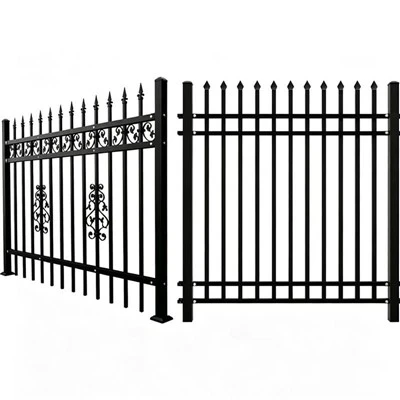
In some cases, it may be more practical to upgrade or replace the entire fence rather than trying to make multiple repairs. If your fence is old, severely damaged, or no longer meets your needs, it may be time to invest in a new one. As a Farm Perimeter Fence supplier, I can offer a wide range of fencing options, including Garden Perimeter Fence for smaller areas, and various styles of livestock and perimeter fences to suit your specific requirements.
Fixing a broken farm perimeter fence is a task that requires careful assessment, the right tools and materials, and some technical know-how. By following these steps and considering the unique characteristics of your farm and the fence, you can ensure that your fence is in good working condition and provides the protection and security you need. If you're unsure about any aspect of the repair process or need help choosing the right fencing materials, don't hesitate to reach out for professional advice.
As a trusted supplier of farm perimeter fences, I'm here to assist you with all your fencing needs. Whether you're looking for high - quality fencing materials, expert installation advice, or just want to explore your options, I'm ready to have a discussion with you. Contact me today to start a conversation about your farm perimeter fence project, and let's work together to find the best solution for your farm.
References
- Agricultural Fence Handbook. Agricultural Extension Service.
- Fence Installation and Repair Guide. Home Improvement Association.