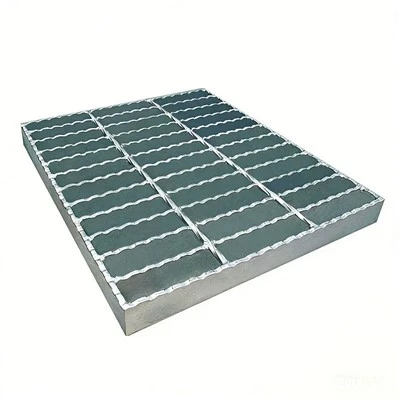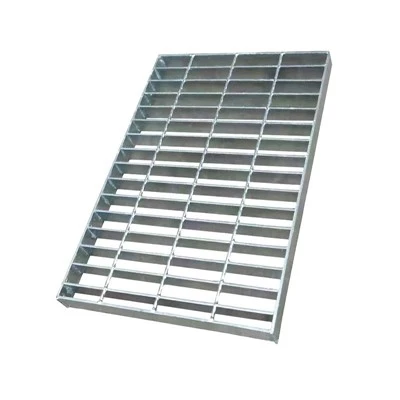
The working principle of a filter mesh relies primarily on physical screening and interception. As a fluid (liquid or gas) passes through the mesh, solid particles larger than the mesh openings are blocked at the surface, while smaller particles and the fluid itself pass through, thereby achieving separation and purification.
Filtration involves more than just blocking large particles; it also entails processes such as adsorption and deposition. Minute particles may adhere to the mesh strands or accumulate at the edges of the openings, which can enhance filtration performance but also increase the risk of clogging, necessitating regular cleaning.
Filtration performance is closely linked to flow velocity, pressure, and the design of the mesh aperture. Excessive flow velocity can reduce filtration precision or even force impurities through the mesh; conversely, an optimal aperture design combined with stable flow conditions ensures a balance between filtration efficiency and service life-key considerations in the design of industrial filtration systems.