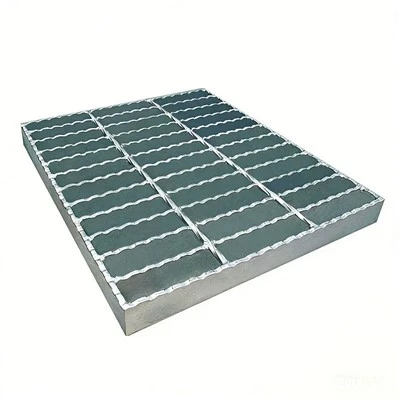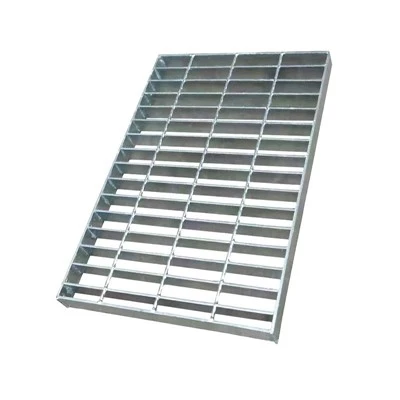
The primary function of a filter screen is to separate and capture impurities. By utilizing a mesh structure with specific pore sizes, it traps solid particles, suspended matter, or contaminants present in liquids or gases, thereby purifying the medium. For instance, in water treatment or industrial fluid systems, filter screens effectively prevent particles from entering downstream equipment, thereby avoiding blockages or wear.
Filter screens also serve to protect equipment. Installing them upstream of critical components-such as pumps, valves, and compressors-minimizes the impact and wear caused by impurities on precision parts, extends equipment service life, and reduces failure rates. This is crucial in industrial production and mechanical systems.
Additionally, filter screens are used for classification, screening, and purification. In sectors such as food processing, chemicals, and pharmaceuticals, screens of various specifications enable the grading of raw materials, enhancing product purity and consistency. Furthermore, designs featuring diverse materials and pore sizes allow them to withstand high temperatures, high pressures, or corrosive environments, meeting the demands of various operating conditions.