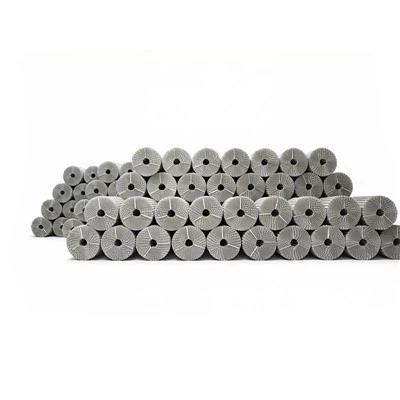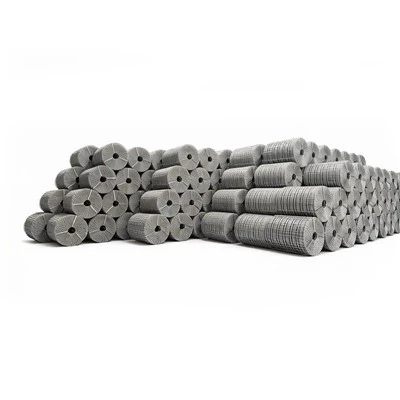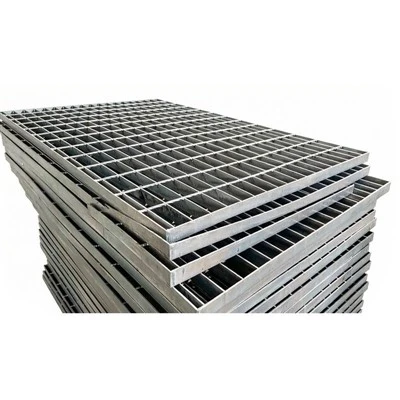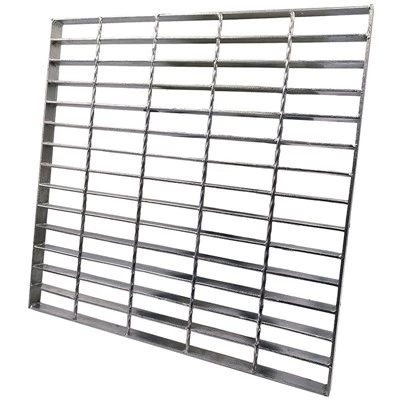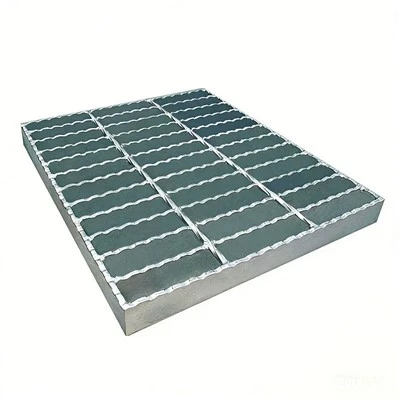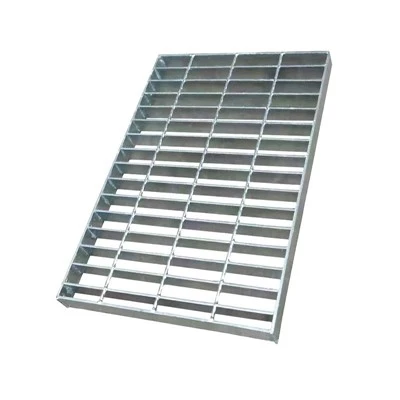
Technical requirements for filter screens are primarily established around filtration precision, structural strength, material properties, and operational stability to ensure long-term, reliable performance under various operating conditions.
Filtration Precision
Filter screens require clearly defined standards for pore size or mesh count based on the specific application. This ensures the effective capture of impurities at the target particle size while avoiding excessive clogging or insufficient filtration efficiency. In industrial systems, precision deviations must typically be kept within a narrow range to ensure consistency.
Mechanical Strength and Pressure Resistance
During operation, filter screens are subjected to fluid impact and pressure fluctuations; therefore, the screen structure must be robust and resistant to deformation, breakage, or collapse. In high-pressure or high-velocity fluid environments, the screen must also exhibit good fatigue resistance to ensure stable, long-term use.
Material and Corrosion Resistance
Depending on the nature of the medium, filter screens must be made from appropriate materials-such as stainless steel, carbon steel, plastic, or alloys-and meet requirements for acid/alkali resistance, high-temperature tolerance, or oxidation resistance to prevent corrosion or degradation during use.
There are also requirements regarding manufacturing processes and quality consistency, covering metrics such as mesh uniformity, surface finish, and the quality of welding or weaving. Additionally, in certain sectors (such as the food and pharmaceutical industries), screens must meet sanitary standards, ensuring they are contamination-free, easy to clean, and compliant with relevant industry regulations.