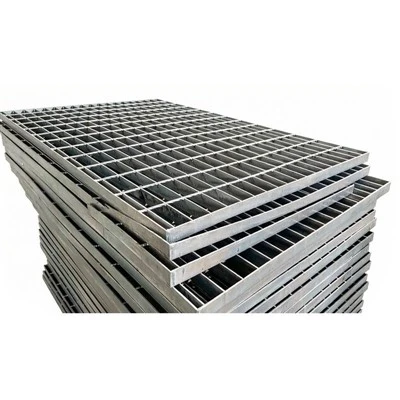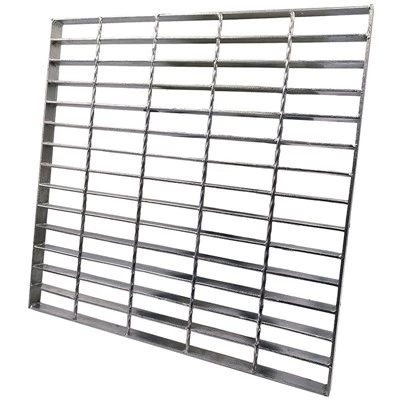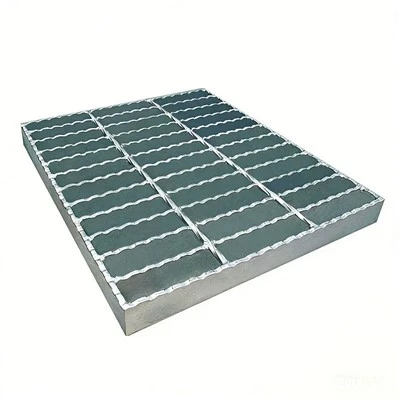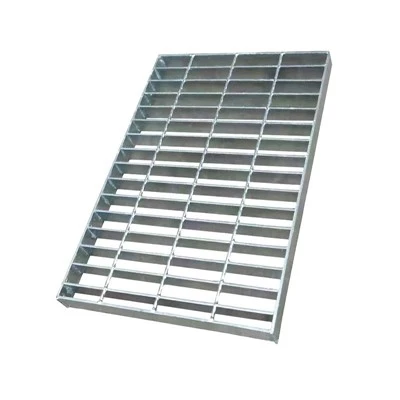
Grating panels are typically composed of load-bearing flat bars (or load-bearing strips), which serve as the primary structural elements for bearing loads. Arranged at specific intervals, these bars directly support external loads-such as pedestrian traffic, equipment weight, or vehicular pressure-and transfer the resulting forces to the supporting structure.
The second key component is the crossbar (also known as a connecting bar or twisted rod). These bars intersect the load-bearing flat bars-either perpendicularly or at an angle-to maintain spacing and enhance overall stability, preventing the grating from deforming or twisting under load.
Some high-strength or specialty grating panels also incorporate a frame structure. Typically welded from structural steel sections or flat bars, the frame enhances overall rigidity, facilitates installation and attachment to support beams or steel frameworks, and improves the impact resistance of the edges.
Surface treatment is another essential component. Common treatments include hot-dip galvanizing, painting, or stainless steel finishing; these serve to enhance corrosion resistance and extend service life in humid, outdoor, or industrial environments.