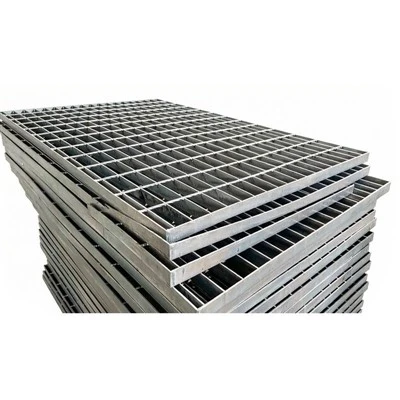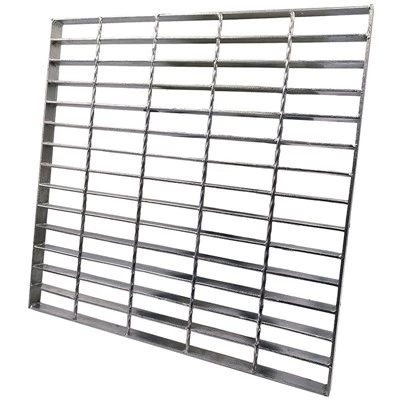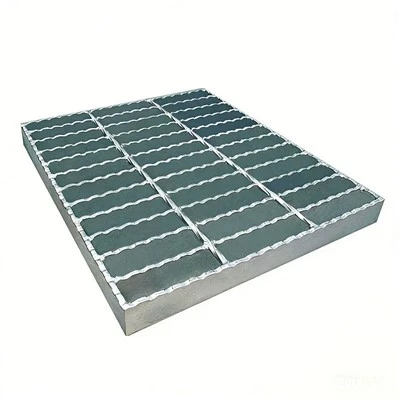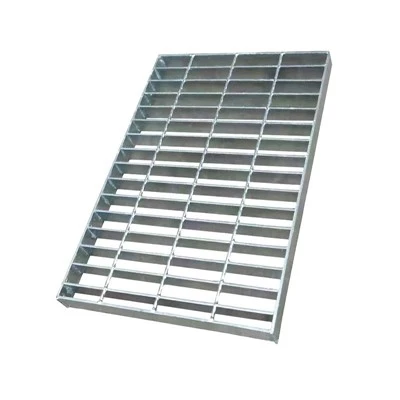
The primary characteristics of grating panels are high strength and load-bearing capacity. Typically formed by welding or press-locking flat steel bars and crossbars into a grid-like structure, they offer robust load-bearing capabilities while minimizing material usage. This structural design effectively distributes concentrated loads across the entire framework, making grating panels ideal for industrial platforms, walkways, and equipment support structures.
Grating panels offer excellent permeability and drainage capabilities. Their open-grid design allows rainwater, oil, dust, and debris to pass through freely, preventing accumulation on the surface. This feature makes them highly practical for environments such as chemical plants, wastewater treatment facilities, and offshore platforms, while also helping to reduce the risk of slipping and enhancing safety.
Additionally, grating panels are highly corrosion-resistant and adaptable. Through treatments such as hot-dip galvanizing, the use of stainless steel, or protective coatings, they can withstand long-term exposure to humid, saline, or chemically corrosive environments. Their modular structure facilitates easy installation and maintenance, and they can be cut or customized to suit various applications, offering a wide range of uses.