
Dutch weave mesh is a remarkable product with a wide range of applications, from Metal Field Fencing to Chicken Perimeter Fence, Farm Perimeter Fence, Composite Reinforced Geomat, and Reinforced Macmat. As a supplier of dutch weave mesh, I often get asked about the maximum temperature it can withstand. In this blog post, I'll delve into this topic, exploring the factors that influence the temperature resistance of dutch weave mesh and providing some insights based on scientific knowledge and real - world experience.
Composition of Dutch Weave Mesh
To understand the maximum temperature that dutch weave mesh can withstand, we first need to look at its composition. Dutch weave mesh is typically made from various metals, such as stainless steel, carbon steel, and brass. Each of these materials has different thermal properties, which directly affect the mesh's temperature resistance.
Stainless Steel Dutch Weave Mesh
Stainless steel is one of the most common materials used in dutch weave mesh production. It offers excellent corrosion resistance, high strength, and good formability. The temperature resistance of stainless steel depends on its grade. For example, austenitic stainless steels like 304 and 316 are widely used. Grade 304 stainless steel can generally withstand temperatures up to about 870°C (1600°F) in continuous service. At higher temperatures, it may start to lose its strength and corrosion - resistance properties. Grade 316 stainless steel, which contains molybdenum, has a slightly better temperature resistance, with a continuous service temperature of up to around 925°C (1700°F).
Carbon Steel Dutch Weave Mesh
Carbon steel is another material option for dutch weave mesh. It is known for its high strength and relatively low cost. However, carbon steel is more prone to corrosion compared to stainless steel. In terms of temperature resistance, carbon steel can typically withstand temperatures up to about 425 - 540°C (800 - 1000°F). Beyond this temperature range, carbon steel may undergo oxidation, which can lead to a reduction in its mechanical properties and eventually cause the mesh to fail.
Brass Dutch Weave Mesh
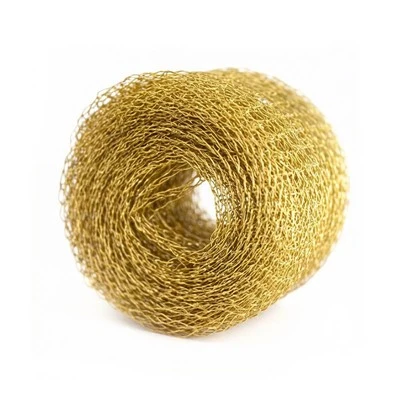
Brass is an alloy of copper and zinc. It has good corrosion resistance and is often used in applications where aesthetic appeal is important. The temperature resistance of brass is relatively lower compared to stainless steel and carbon steel. Brass can generally withstand temperatures up to about 260 - 370°C (500 - 700°F). At higher temperatures, brass may start to soften and lose its shape.
Factors Affecting Temperature Resistance
In addition to the material composition, several other factors can affect the maximum temperature that dutch weave mesh can withstand.
Mesh Design and Structure
The design and structure of the dutch weave mesh play a crucial role in its temperature resistance. A tightly woven mesh may have better heat - transfer characteristics compared to a loosely woven one. A dense weave can help distribute heat more evenly across the mesh, reducing the risk of localized overheating. However, a very tight weave may also restrict air circulation, which could potentially lead to heat buildup in some cases.
Surface Treatment
Surface treatments can enhance the temperature resistance of dutch weave mesh. For example, applying a heat - resistant coating to the mesh can protect it from oxidation and other forms of heat - related damage. Some coatings can also improve the mesh's emissivity, allowing it to radiate heat more effectively.
Environmental Conditions
The environmental conditions in which the dutch weave mesh is used can also impact its temperature resistance. For instance, if the mesh is exposed to high humidity or corrosive gases in addition to high temperatures, it may experience accelerated degradation. Oxidation and corrosion can weaken the mesh and reduce its ability to withstand high temperatures.
Applications and Temperature Requirements
Different applications of dutch weave mesh have varying temperature requirements.
Industrial Filtration
In industrial filtration applications, dutch weave mesh is often used to separate solids from liquids or gases. In some high - temperature filtration processes, such as in chemical plants or power generation facilities, the mesh may be exposed to temperatures of several hundred degrees Celsius. For these applications, stainless steel dutch weave mesh is usually the preferred choice due to its high temperature resistance.
Agricultural Fencing
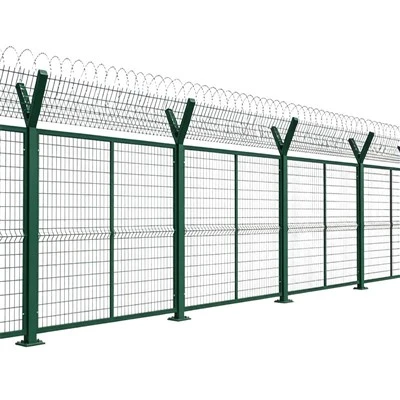
In agricultural applications like Chicken Perimeter Fence and Farm Perimeter Fence, the temperature requirements are generally lower. The mesh is mainly exposed to outdoor environmental conditions, and the maximum temperature it is likely to encounter is usually within the range that carbon steel or brass can withstand.
Geotechnical Applications
For Composite Reinforced Geomat and Reinforced Macmat, the temperature resistance needs to be sufficient to withstand the conditions in the ground. In most cases, the temperature underground is relatively stable, but in some regions with high geothermal activity, the mesh may need to withstand moderately high temperatures.
Testing and Quality Assurance
As a supplier of dutch weave mesh, we conduct rigorous testing to ensure that our products meet the required temperature resistance standards. We use specialized equipment to simulate high - temperature conditions and monitor the performance of the mesh. This includes measuring changes in mechanical properties, such as strength and ductility, as well as observing any signs of oxidation or other forms of damage.


We also follow international standards and best practices in the production and testing of dutch weave mesh. This helps us provide our customers with reliable products that can perform well in various temperature environments.
Contact for Purchase and Consultation
If you are in the market for dutch weave mesh and have specific temperature requirements for your application, I encourage you to reach out to us. Our team of experts can help you select the right material and design for your needs. Whether you need Metal Field Fencing, Chicken Perimeter Fence, Farm Perimeter Fence, Composite Reinforced Geomat, or Reinforced Macmat, we can offer you high - quality products at competitive prices.
References
- ASM Handbook Volume 2: Properties and Selection: Nonferrous Alloys and Special - Purpose Materials.
- "Corrosion Resistance of Stainless Steels" by Robert W. Revie.
- "Metals Handbook Desk Edition" by ASM International.