
Aerospace is a realm where the efficient functionality of equipment and components is not just a matter of preference but a necessity for safety and mission success. In this high - stakes environment, metal mesh filter screens play a pivotal role. As a trusted Metal Mesh Filter Screen supplier, we understand the unique challenges and requirements that these filters face in aerospace applications.
The Harsh Conditions in Aerospace
Aerospace environments are characterized by a multitude of harsh conditions. Temperature variations are extreme, ranging from the frigid cold of outer space, which can reach as low as -270°C, to the intense heat generated during re - entry into the Earth's atmosphere, where temperatures can exceed 1650°C. These rapid and extreme temperature changes can cause materials to expand and contract, leading to structural stress and potential failure.
Pressure differentials also pose a significant challenge. In the upper atmosphere and in space, the pressure is extremely low, while during take - off and landing, the pressure changes are rapid and intense. These pressure variations can affect the integrity of filter screens, potentially causing them to deform or rupture.
In addition to temperature and pressure, aerospace equipment is exposed to high levels of radiation. Cosmic rays and solar flares emit high - energy particles that can damage the molecular structure of materials, reducing their strength and performance over time. There is also the presence of micrometeoroids and space debris, which can impact the filter screens at high speeds, causing physical damage.
Performance of Metal Mesh Filter Screens
Temperature Resistance
One of the key advantages of metal mesh filter screens in aerospace is their excellent temperature resistance. Metals such as stainless steel, nickel alloys, and titanium have high melting points and can withstand a wide range of temperatures without significant degradation. For example, stainless steel can maintain its mechanical properties at temperatures up to 800°C, making it suitable for use in engine compartments and other high - heat areas.
The thermal conductivity of metal also allows for efficient heat transfer, which helps to dissipate heat generated within the filter. This is crucial in preventing overheating and ensuring the long - term performance of the filter. Our Metal Mesh Filter Screen is engineered with high - quality metals that can endure the extreme temperature fluctuations in aerospace applications.
Pressure Resistance
Metal mesh filter screens are designed to withstand high pressure differentials. The woven or sintered structure of the mesh provides a high degree of mechanical strength. The interlocking wires or particles in the mesh distribute the pressure evenly, preventing localized stress points that could lead to failure.
In aerospace hydraulic systems, for instance, metal mesh filters are used to remove contaminants from the hydraulic fluid. These filters need to withstand the high pressures generated within the system. Our filters are tested to ensure they can handle the pressure requirements of various aerospace hydraulic applications, providing reliable performance under pressure.
Radiation Resistance
Metals have a certain degree of natural radiation resistance. The dense atomic structure of metals can absorb and scatter radiation, protecting the underlying components. However, in long - duration space missions, additional protective coatings may be applied to the metal mesh filter screens to enhance their radiation resistance.
These coatings can act as a shield, absorbing and reflecting the high - energy particles before they can reach the metal mesh. Our research and development team is constantly working on improving the radiation - resistant properties of our Metal Mesh Filter Screen, ensuring that they can withstand the harsh radiation environment in space.
Impact Resistance
To protect against the impact of micrometeoroids and space debris, metal mesh filter screens are designed to be tough and durable. The mesh structure can absorb the energy of an impact, reducing the damage to the filter. In some cases, multiple layers of mesh are used to provide additional protection.
The choice of metal also plays a crucial role in impact resistance. Titanium, for example, has a high strength - to - weight ratio, making it an ideal material for aerospace applications where weight is a critical factor. Our metal mesh filter screens made from titanium offer excellent impact resistance while keeping the overall weight of the system low.
Applications in Aerospace
Engine Filtration
In aerospace engines, metal mesh filter screens are used to filter out dust, debris, and other contaminants from the incoming air and fuel. These contaminants can cause damage to the engine components, reducing efficiency and increasing the risk of failure. Our Metal Mesh Filter Screen provides high - efficiency filtration, ensuring that only clean air and fuel enter the engine.
The filter screens also need to withstand the high temperatures and pressures generated within the engine. The excellent temperature and pressure resistance of our metal mesh filters make them suitable for use in this demanding environment.
Cabin Air Filtration
In the aircraft cabin, metal mesh filter screens are used to purify the air, removing dust, pollen, bacteria, and other harmful particles. These filters help to maintain a healthy and comfortable environment for passengers and crew.
The metal mesh structure provides a large surface area for filtration, allowing for efficient removal of contaminants. Additionally, the durability of the metal mesh ensures that the filters can last for a long time, reducing the need for frequent replacement.
Fuel Tank Ventilation
Metal mesh filter screens are also used in fuel tank ventilation systems. These filters prevent the entry of dust and moisture into the fuel tank while allowing for proper ventilation. The Mist Eliminator Mesh in our products can effectively remove fuel mist from the ventilation air, preventing fuel loss and reducing the risk of explosion.
Role of Mist Eliminator Mesh and Demister Mesh
Mist Eliminator Mesh
The Mist Eliminator Mesh is an essential component in aerospace applications. In fuel systems, it helps to remove fuel mists that can form due to pressure changes or turbulence. The mesh structure captures the mist droplets, which then coalesce and drain away. This not only prevents fuel loss but also ensures the proper functioning of the fuel system.
In hydraulic systems, the mist eliminator mesh can remove oil mist, protecting the components from damage and reducing the risk of fire. The high - efficiency of our mist eliminator mesh is achieved through a precise design and choice of materials, ensuring reliable performance in harsh aerospace conditions.
Demister Mesh
Similar to the mist eliminator mesh, the Demister Mesh is used to remove liquid droplets from gas streams. In aerospace applications, it is used in ventilation systems to remove moisture and other condensates. This helps to prevent corrosion of the equipment and ensures the proper operation of electrical and mechanical components.
The demister mesh can also be used in environmental control systems to remove humidity from the cabin air, improving the comfort of passengers and crew. Our Demister Mesh is designed to provide high - performance filtration, even in the presence of high - velocity gas streams.

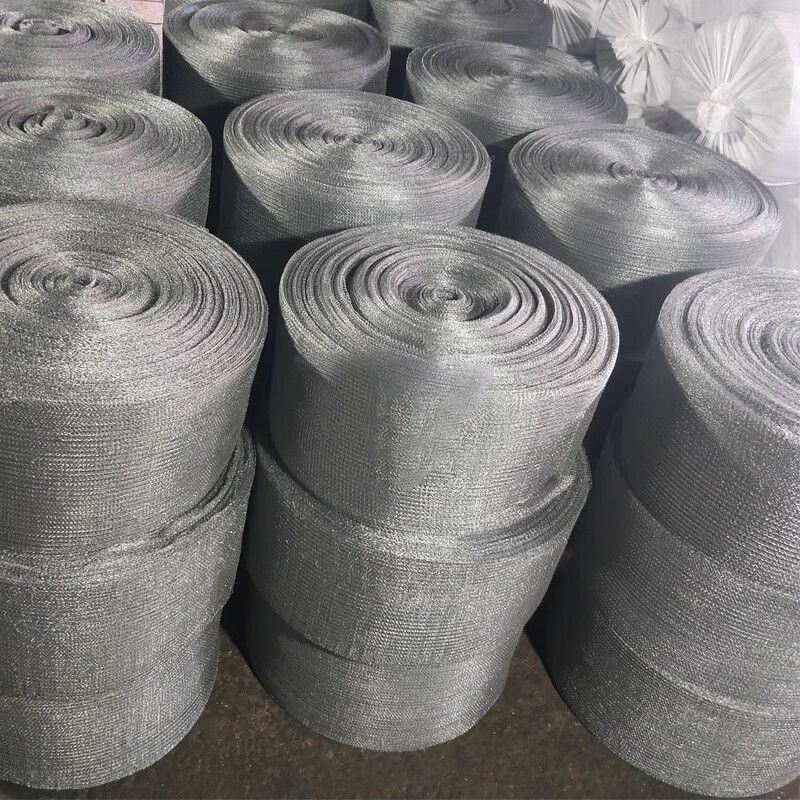
Metal Mesh Mist Eliminator
The Metal Mesh Mist Eliminator combines the advantages of metal mesh and mist elimination technology. It is a compact and efficient solution for removing mists and droplets from various aerospace applications.
The metal mesh provides a strong and durable structure, while the mist elimination function ensures the effective removal of liquid particles. This product is widely used in fuel systems, hydraulic systems, and ventilation systems, where it can improve the performance and reliability of the equipment.
Why Choose Our Metal Mesh Filter Screens
As a Metal Mesh Filter Screen supplier, we offer several advantages. Our products are made from high - quality metals that are carefully selected for their performance in aerospace applications. We use advanced manufacturing techniques to ensure the precision and uniformity of our filter screens.
Our research and development team continuously work on improving the performance of our products, especially in meeting the challenges of harsh aerospace conditions. We also offer customized solutions to meet the specific requirements of our customers.
We understand that quality and reliability are of utmost importance in aerospace applications. That's why we have a strict quality control system in place to ensure that our products meet the highest standards. Our filters are tested under various conditions to ensure their performance and durability.
Contact Us for Aerospace Filter Solutions
If you are involved in the aerospace industry and are in need of high - performance metal mesh filter screens, mist eliminator mesh, demister mesh, or metal mesh mist eliminators, we would love to hear from you. Our team of experts can provide you with detailed information about our products and help you choose the right solution for your specific application.
Start a conversation with us to discuss your requirements and discover how our Metal Mesh Filter Screen products can enhance the performance and reliability of your aerospace equipment.
References
- "Aerospace Materials and Their Applications" by John W. Starke Jr.
- "Filters and Filtration Handbook" by Arthur S. Jones.
- "Metal Mesh Technology in Harsh Environments" - Industry research report.