
Building strength for school fencing is crucial not only for ensuring the safety and security of students and school property but also for enhancing the overall aesthetic appeal of the school environment. As a school fencing supplier, I've had the opportunity to see firsthand the importance of strong fencing in educational institutions. In this blog, I'll share some tips on how to build strength for school fencing.


Understanding the Basics of School Fencing Strength
Before we dive into the how - to, it's important to understand what makes a strong school fence. Strength in fencing comes from a combination of factors, such as the material used, the design of the fence, and the installation process.
Material Selection
The material you choose for your school fence plays a huge role in its strength. For example, steel fences are known for their durability and high tensile strength. They can withstand harsh weather conditions, impacts, and attempts at vandalism. Another great option is aluminum, which is lightweight yet strong. It's also resistant to rust, which is a big plus for school fencing that needs to last for a long time.
If you're looking for something more budget - friendly, wood can be a good choice. But, it requires regular maintenance to keep its strength intact. And let's not forget about vinyl fencing. It's strong, low - maintenance, and comes in a variety of styles.
Here are some of the fencing options we offer:
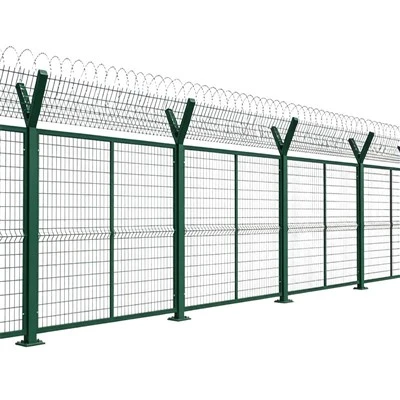
- Framed Guardrail Fence: This type of fence provides excellent strength and security. It's made from high - quality materials that can withstand a lot of wear and tear.
- Green Coated Wire Fencing: It's a flexible and cost - effective option. The green coating not only adds an aesthetic touch but also provides some protection against corrosion.
- Residential Yard Fence: Although it's also suitable for residential use, this fence can be a great addition to a school with a less - intense security need. It offers a balance between strength and style.
- School Fencing: Specifically designed for schools, this fencing option takes into account all the necessary factors for strength, safety, and compliance.
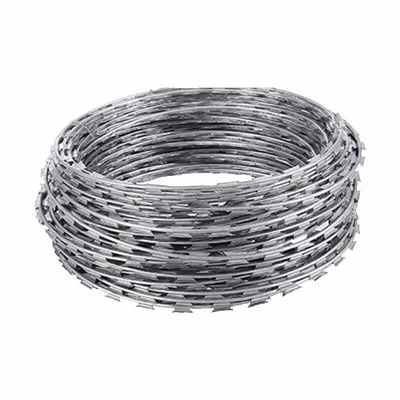
- Blade Barbed Wire: For schools that need an extra layer of security, this type of wire can be added to the top of the fence to deter intruders.
Design Considerations
The design of the fence can also impact its strength. A fence with a solid panel design will generally be stronger than one with a more open design. However, an open - design fence might be better for visibility and ventilation. You need to find a balance between strength and functionality.
For example, a fence with vertical pickets spaced closely together will be more resistant to pushing and climbing than one with widely - spaced pickets. Also, the height of the fence matters. A taller fence is generally more difficult to climb over, adding to its strength in terms of security.
Building Strength through Installation
Even the strongest materials and best - designed fences can fail if not installed properly. Here are some installation tips to build strength:
Proper Foundation
A solid foundation is the key to a strong fence. For most types of fencing, concrete footings are recommended. The depth and width of the footings will depend on the type of fence and the soil conditions. In general, the footings should be deep enough to prevent the fence from shifting or leaning over time.
When installing the fence posts in the footings, make sure they are plumb and level. This will ensure that the fence is straight and stable. You can use a level and a post - hole digger to achieve this.
Secure Connections
All the connections in the fence should be secure. Whether it's the connection between the posts and the rails or the pickets and the rails, make sure to use strong fasteners. Bolts and screws are generally better than nails because they provide a more secure connection.
For wire fences, you need to make sure the wire is tightly tensioned. Loose wire not only looks bad but also reduces the strength of the fence. You can use a wire - tensioning tool to achieve the right tension.
Maintenance for Long - Term Strength
Maintaining your school fence is essential for keeping it strong over time. Here are some maintenance tips:
Regular Inspections
Periodically inspect the fence for any signs of damage, such as loose bolts, rust, or broken pickets. Catching these issues early can prevent them from becoming bigger problems. For example, if you notice a small area of rust on a steel fence, you can treat it with a rust - inhibitor before it spreads and weakens the fence.
Cleaning and Treating
Depending on the material, you may need to clean and treat the fence regularly. For wood fences, you'll need to stain or paint them every few years to protect them from moisture and pests. Vinyl fences can be cleaned with a mild soap and water.
Benefits of Strong School Fencing
Building strength for school fencing has many benefits. Firstly, it provides a safe and secure environment for students, teachers, and staff. A strong fence can prevent unauthorized access to the school grounds, reducing the risk of theft, vandalism, and other security threats.
Secondly, a well - built and strong fence can enhance the appearance of the school. It can give the school a more professional and put - together look. And let's not forget about the peace of mind it gives to parents, knowing that their children are in a safe and secure place.
Conclusion
Building strength for school fencing is a multi - faceted process that involves careful material selection, proper design, quality installation, and regular maintenance. By following these tips, you can ensure that your school fence not only looks great but also provides the security and durability that your school needs.
If you're interested in purchasing high - quality school fencing or need more advice on building strength for your school fence, don't hesitate to reach out. We're here to help you find the best fencing solution for your school.
References
- Fencing Industry Handbook, published by a leading fencing trade association
- Research studies on school security and the role of fencing