
Installing a fence around a farm vineyard is a crucial step in protecting your valuable grapevines from various threats, such as wildlife, trespassers, and environmental factors. As a Farm Perimeter Fence supplier, I have extensive experience in providing high - quality fencing solutions for vineyards. In this blog, I'll share a detailed guide on how to install a fence around a farm vineyard.
Step 1: Planning and Design
Before you start digging holes and erecting posts, a well - thought - out plan is essential.
- Measure the Area: Use a measuring tape or a GPS device to accurately measure the perimeter of your vineyard. This will help you determine the amount of fencing material you need.
- Identify the Purpose: Consider the main purpose of your fence. Is it to keep out deer and rabbits, or to mark the boundary of your property? If it's for wildlife control, you may need a taller and more sturdy fence. For boundary marking, a simpler design might suffice.
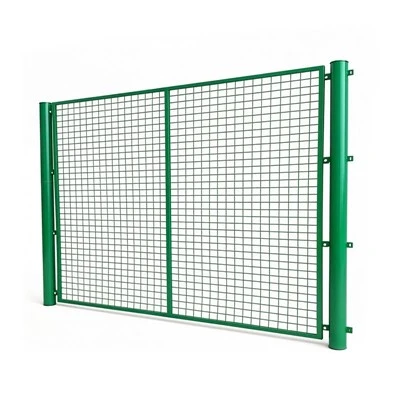
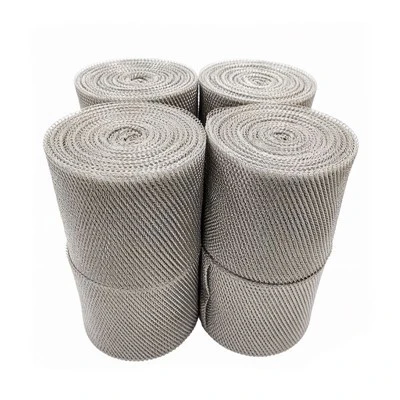
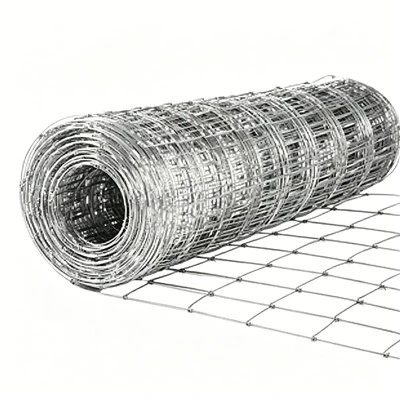
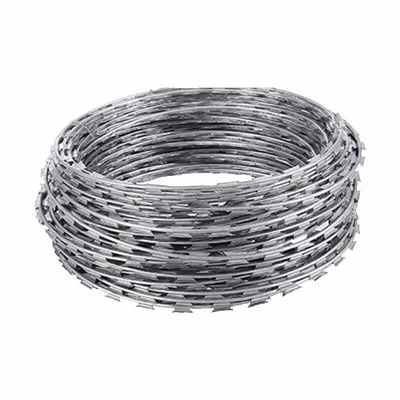
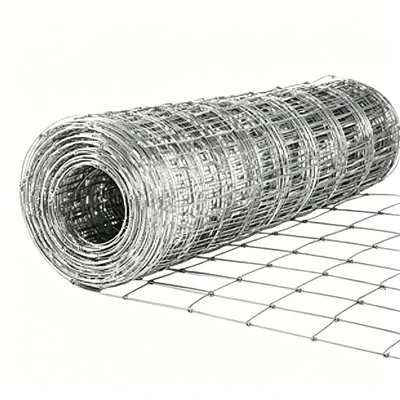
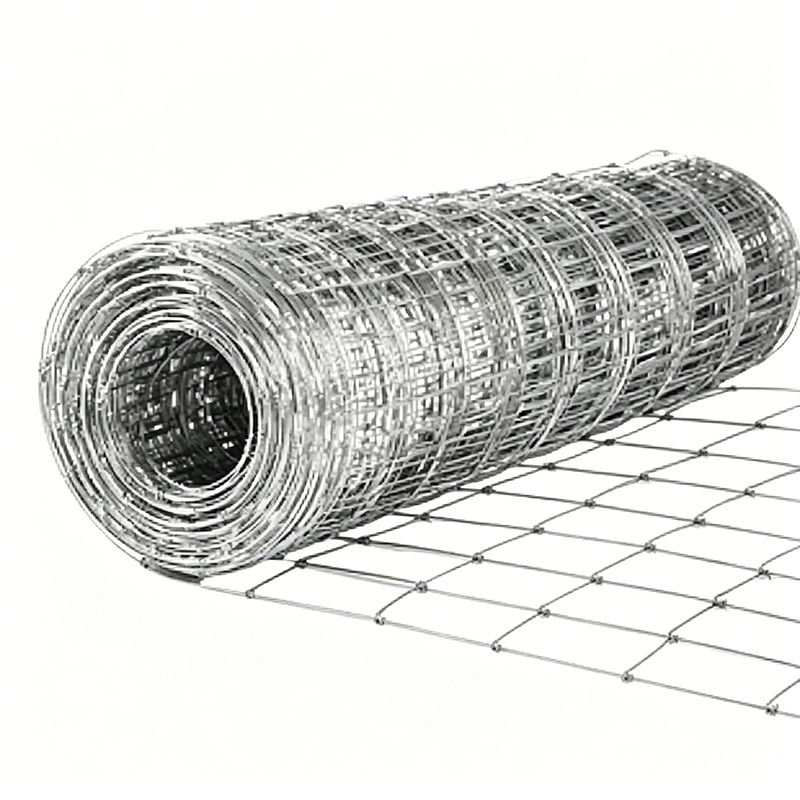
- Choose the Fence Type: There are several types of fences suitable for vineyards. PVC Coated Welded Mesh Fence is a popular choice due to its durability and resistance to rust. It also has a smooth surface that won't damage the vines. Farm Perimeter Fence is another option, which provides a strong and reliable barrier. Livestock Fence Rolls can be used if you also have livestock in the area or are worried about larger animals. Garden Perimeter Fence is a more decorative option but can still offer protection. And Metal Field Fencing is known for its strength and longevity.
Step 2: Gather Materials and Tools
Once you have a clear plan, it's time to gather all the necessary materials and tools.
- Materials: Depending on the type of fence you choose, you'll need fence panels, posts, rails, fasteners (such as nails or screws), and concrete for setting the posts. You may also need additional items like gates if you want to create access points.
- Tools: Essential tools include a post hole digger, a level, a hammer or drill, a tape measure, and a wheelbarrow for mixing concrete. Safety equipment like gloves and safety glasses should also be on hand.
Step 3: Mark the Boundary
Use stakes and string to mark the exact location where you'll install the fence. This will help you keep the fence straight and ensure accurate post placement. Make sure to account for any slopes or curves in the terrain. Marking the boundary precisely is especially important if your vineyard has an irregular shape.
Step 4: Install the Posts
- Digging Holes: Using a post hole digger, dig holes at regular intervals along the marked boundary. The depth of the holes should be at least one - third of the post's length. For example, if you're using 6 - foot posts, the holes should be at least 2 feet deep.
- Setting the Posts: Place the posts in the holes and use a level to ensure they are straight both vertically and horizontally. Fill the holes with concrete, and use a trowel to smooth the surface. Let the concrete dry according to the manufacturer's instructions, which usually takes 24 - 48 hours.
Step 5: Attach the Rails and Fence Panels
- Rails: Once the posts are set, attach the rails to the posts. This can be done using nails or screws. Make sure the rails are level and evenly spaced.
- Fence Panels: Attach the fence panels to the rails. Start at one end and work your way along the fence line. Use appropriate fasteners to secure the panels firmly to the rails. If you're using a mesh fence, make sure it is taut and free of wrinkles.
Step 6: Install Gates
If you've planned to include gates in your fence, now is the time to install them. Choose gates that are the right size and style for your needs. Hang the gates on the posts using hinges, and make sure they open and close smoothly. Install a latch or lock to secure the gates.

Step 7: Inspect and Maintain
- Inspection: After the fence is installed, conduct a thorough inspection. Check for any loose fasteners, uneven sections, or damaged panels. Make any necessary repairs immediately.
- Maintenance: Regular maintenance is key to ensuring the longevity of your fence. Check for signs of rust, wear, and tear, and repair or replace any damaged parts as needed. Trim any vegetation that may be growing against the fence to prevent damage.
Why Choose Our Fence Products
As a Farm Perimeter Fence supplier, we take pride in offering high - quality fencing solutions. Our products are made from the best materials, ensuring durability and reliability. We have a wide range of fence types to choose from, so you can find the perfect fit for your vineyard. Not only do our fences provide excellent protection, but they are also designed to enhance the aesthetic appeal of your farm.
If you're interested in purchasing a fence for your farm vineyard, we're here to help. Whether you have questions about the installation process, need advice on choosing the right fence type, or want to place an order, we're just a message away. Contact us today to start a procurement negotiation, and let us help you create a secure and beautiful perimeter for your vineyard.
References
- Fence Installation Handbook, Local Fence Contractor Association.
- Best Practices for Vineyard Protection, Agricultural Research Institute.
- Guide to Choosing Farm Fencing, National Farmers' Union.