
When it comes to filter mesh applications, especially in environments where fire safety is a concern, the choice of fire - resistant materials is of utmost importance. As a filter mesh supplier, I have in - depth knowledge of various fire - resistant materials used in filter meshes, and I'm here to share this information with you.
Metal - Based Fire - Resistant Materials
Stainless Steel
Stainless steel is one of the most commonly used fire - resistant materials in filter meshes. It has excellent heat resistance properties. Stainless steel can withstand high temperatures without significant deformation or loss of structural integrity. For example, in high - temperature industrial processes such as metal smelting or glass manufacturing, stainless - steel filter meshes are often employed.
The chromium content in stainless steel forms a protective oxide layer on the surface when exposed to high temperatures. This layer acts as a barrier, preventing further oxidation and corrosion. Different grades of stainless steel offer varying levels of heat resistance. For instance, 310S stainless steel can resist temperatures up to around 1150°C (2100°F).
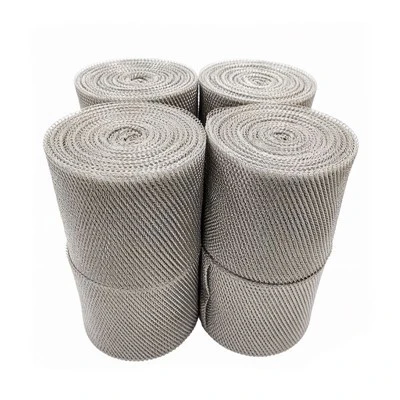
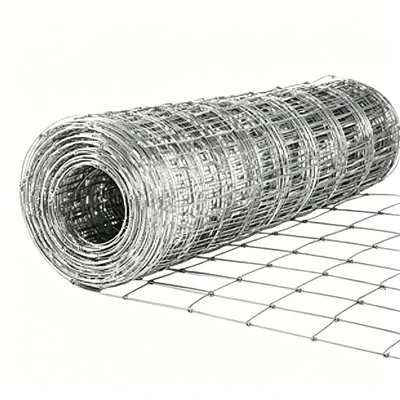
Stainless - steel filter meshes are also highly durable and have good mechanical strength. They can withstand the pressure and abrasion that often occur in industrial filtration processes. Our Metal Mesh Filter Screen made of high - quality stainless steel is a popular choice for customers who require fire - resistant and long - lasting filter solutions.
Nickel - Based Alloys
Nickel - based alloys are another group of fire - resistant materials used in filter meshes. Alloys like Inconel are well - known for their high - temperature strength and corrosion resistance. Inconel has a high melting point, often above 1300°C (2370°F), which makes it suitable for extremely hot environments.
These alloys maintain their mechanical properties even at elevated temperatures. They are often used in aerospace, chemical processing, and power generation industries where filter meshes need to operate in high - temperature and corrosive conditions. The Nickel - based alloy filter meshes can resist oxidation and maintain their filtering efficiency over time. Our company offers a range of filter meshes made of premium nickel - based alloys to meet the demanding needs of these industries.
Ceramic - Based Fire - Resistant Materials
Alumina Ceramics
Alumina ceramics are widely used in fire - resistant filter meshes. Alumina has high melting point, typically around 2050°C (3720°F), and excellent thermal stability. It can withstand rapid temperature changes without cracking, a property known as thermal shock resistance.


In applications such as high - temperature gas filtration, alumina ceramic filter meshes are used to remove particulate matter from hot gases. Their high - porosity structure allows for efficient filtration while their fire - resistant nature ensures long - term performance. These meshes can be designed in various shapes and sizes to fit specific filtration requirements.
Silicon Carbide Ceramics
Silicon carbide (SiC) ceramics are also popular in fire - resistant filter applications. SiC has very high thermal conductivity, which helps in dissipating heat quickly. This property, combined with its high melting point (around 2730°C or 4946°F), makes it an ideal material for high - temperature filtration.
In some industrial processes, such as the purification of exhaust gases from power plants or the removal of particles in chemical reactors, SiC ceramic filter meshes are used. They offer high - precision filtration and long - life performance under extreme heat conditions.
Comparison of Fire - Resistant Materials
When choosing between metal - based and ceramic - based fire - resistant filter meshes, several factors need to be considered.
Metal - based meshes, such as stainless steel and nickel - based alloys, are generally more ductile and have better mechanical strength. They can be easily fabricated into different shapes and sizes, and they are more suitable for applications where the mesh needs to withstand mechanical stress. However, their maximum operating temperatures are lower compared to some ceramic materials.
Ceramic - based meshes, on the other hand, offer superior heat resistance and can operate at extremely high temperatures. They are excellent for applications where high - temperature stability and thermal shock resistance are critical. But ceramics are more brittle than metals, so they may require more careful handling and installation.
Specialty Fire - Resistant Filter Meshes
Mist Eliminator Mesh
Our Mist Eliminator Mesh is designed to remove liquid droplets from gas streams. When used in high - temperature environments, fire - resistant materials are essential. Stainless - steel and some nickel - based alloys are commonly used in mist eliminator meshes for their fire - resistant and corrosion - resistant properties. These meshes are used in refineries, chemical plants, and power generation facilities to prevent the carry - over of liquid droplets into downstream equipment.
Metal Mesh Mist Eliminator
The Metal Mesh Mist Eliminator is a specialized type of filter mesh. It is often made of fire - resistant metals like stainless steel or Inconel. This type of mist eliminator offers high efficiency in removing fine liquid droplets from gas streams at high temperatures. It is commonly used in processes where the gas has a high temperature and may contain corrosive components.
Demister Mesh
The Demister Mesh is used for the separation of liquid and gas phases. In high - temperature applications, fire - resistant materials are crucial. Both metal and ceramic materials can be used depending on the specific requirements of the process. Metal demister meshes are preferred for applications with mechanical stress, while ceramic demister meshes are used when very high temperatures are involved.
Importance of Fire - Resistant Filter Meshes
In industries such as oil and gas, petrochemicals, and power generation, fire - resistant filter meshes play a vital role in ensuring safety and operational efficiency. In case of a fire or high - temperature incident, these meshes can prevent the spread of fire and maintain the integrity of the filtration system. They also help in protecting downstream equipment from damage due to high - temperature and fire - related hazards.
Contact for Procurement
If you are in need of high - quality fire - resistant filter meshes for your specific applications, we are here to provide you with the best solutions. Our team of experts can help you choose the right material and design for your filter mesh requirements. Whether you need a stainless - steel mesh for a moderate - temperature application or a ceramic mesh for an extremely high - temperature environment, we have the products and knowledge to meet your needs. Please feel free to contact us to start a meaningful procurement discussion.
References
- Materials Science and Engineering: An Introduction, 9th Edition, William D. Callister, Jr. and David G. Rethwisch.
- Industrial Filtration Handbook, 4th Edition, Dennis R. Pollock.
- High - Temperature Materials and Their Applications, Edited by N. P. Padture.