
Fencing is not just a sport; it's a discipline that combines physical prowess, mental agility, and strategic thinking. As a school fencing supplier, I've witnessed firsthand the transformative power of this ancient martial art in educational settings. One of the most common questions I receive from schools, students, and parents alike is, "How often should one practice school fencing?" In this blog post, I'll delve into the factors that influence the ideal practice frequency and provide some guidelines to help you make an informed decision.
The Importance of Regular Practice
Regular practice is the cornerstone of success in any sport, and fencing is no exception. Consistent training helps fencers develop the necessary skills, improve their physical fitness, and build mental toughness. It also allows them to refine their techniques, learn new strategies, and gain confidence in their abilities.
From a physical perspective, fencing is a highly demanding sport that requires strength, speed, agility, and endurance. Regular practice helps fencers build and maintain these physical attributes, reducing the risk of injury and improving their overall performance. It also enhances their coordination, balance, and reflexes, which are essential for success on the fencing strip.
Mentally, fencing is a challenging sport that requires focus, concentration, and strategic thinking. Regular practice helps fencers develop these mental skills, allowing them to make quick decisions, adapt to changing situations, and stay calm under pressure. It also helps them build confidence in their abilities, which is crucial for performing well in competitions.
Factors Affecting Practice Frequency
The ideal practice frequency for school fencing depends on several factors, including the fencer's age, skill level, goals, and available time. Let's take a closer look at each of these factors:
Age
Age is an important factor to consider when determining the practice frequency for school fencing. Younger fencers, especially those in elementary and middle school, may not have the physical or mental maturity to handle long or intense training sessions. It's important to start them off slowly and gradually increase the intensity and duration of their practice as they grow and develop.
For younger fencers, 1-2 practice sessions per week, lasting 30-60 minutes each, may be sufficient. As they get older and more experienced, they can gradually increase the frequency and duration of their practice to 3-4 sessions per week, lasting 60-90 minutes each.
Skill Level
The fencer's skill level is another important factor to consider when determining the practice frequency. Beginners may need more frequent practice sessions to learn the basic techniques and footwork of fencing. As they progress and become more proficient, they can reduce the frequency of their practice and focus on refining their skills and developing their strategies.
For beginners, 2-3 practice sessions per week, lasting 60-90 minutes each, may be necessary. As they become more intermediate or advanced fencers, they can reduce the frequency of their practice to 1-2 sessions per week, lasting 90 minutes to 2 hours each.
Goals
The fencer's goals also play a role in determining the practice frequency. If the fencer is interested in competing at a high level, they may need to practice more frequently and for longer periods of time. On the other hand, if the fencer is just looking to have fun and stay active, they may be able to get away with less frequent practice.
For competitive fencers, 3-4 practice sessions per week, lasting 90 minutes to 2 hours each, may be necessary. They may also need to participate in additional training camps, clinics, and competitions to improve their skills and gain experience. For recreational fencers, 1-2 practice sessions per week, lasting 60-90 minutes each, may be sufficient.
Available Time
Finally, the fencer's available time is an important factor to consider when determining the practice frequency. School fencers often have busy schedules, with classes, homework, extracurricular activities, and other commitments. It's important to find a practice schedule that fits their lifestyle and allows them to balance their fencing training with their other responsibilities.
If the fencer has limited time, they may need to focus on quality over quantity and make the most of their practice sessions. They can also try to incorporate fencing into their daily routine, such as by practicing footwork or drills at home or during breaks between classes.
Recommended Practice Frequency
Based on the factors discussed above, here are some general guidelines for the recommended practice frequency for school fencing:
Beginners
- 2-3 practice sessions per week, lasting 60-90 minutes each
- Focus on learning the basic techniques and footwork of fencing
- Incorporate drills and exercises to improve strength, speed, and agility
Intermediate Fencers
- 2-3 practice sessions per week, lasting 90 minutes to 2 hours each
- Refine their techniques and develop their strategies
- Participate in sparring sessions to gain experience and improve their competitive skills
Advanced Fencers
- 3-4 practice sessions per week, lasting 90 minutes to 2 hours each
- Focus on advanced techniques and strategies
- Participate in competitions and training camps to improve their skills and gain experience
The Role of Quality Practice
While the frequency of practice is important, it's also important to focus on the quality of practice. A high-quality practice session is one that is well-structured, focused, and challenging. It should include a variety of drills, exercises, and sparring sessions that target different aspects of fencing, such as technique, footwork, strategy, and physical fitness.
To ensure a high-quality practice session, it's important to have a qualified coach or instructor who can provide guidance, feedback, and support. The coach should be able to tailor the practice session to the fencer's skill level, goals, and needs, and help them make the most of their time on the fencing strip.
The Importance of Rest and Recovery
In addition to regular practice, it's also important to allow for adequate rest and recovery. Fencing is a physically demanding sport that can take a toll on the body, especially if the fencer is practicing frequently or for long periods of time. Rest and recovery are essential for allowing the body to repair and rebuild itself, reducing the risk of injury, and improving performance.
To ensure adequate rest and recovery, it's important to schedule regular breaks between practice sessions and to get enough sleep each night. The fencer should also listen to their body and take time off if they are feeling tired, sore, or injured.
Choosing the Right Fencing Equipment
As a school fencing supplier, I know how important it is to choose the right fencing equipment. The right equipment can make a big difference in the fencer's performance and safety. When choosing fencing equipment, it's important to consider the fencer's age, skill level, and needs.
For beginners, it's important to choose equipment that is easy to use and comfortable to wear. This may include a fencing mask, jacket, glove, and weapon. As the fencer progresses and becomes more experienced, they may need to upgrade their equipment to more advanced models that offer better performance and protection.
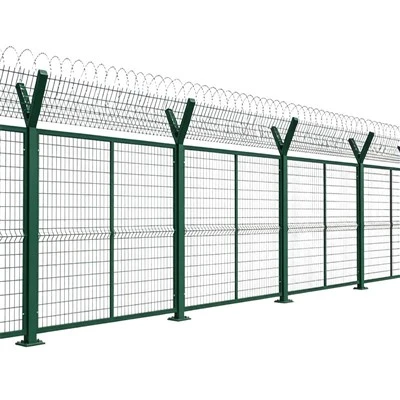
At our company, we offer a wide range of Municipal Fencing, Framed Guardrail Fence, Airport Fence, Residential Yard Fence, and Sports Field Fencing to meet the needs of schools and fencers of all levels. Our equipment is made from high-quality materials and is designed to provide maximum performance and protection.
Conclusion
In conclusion, the ideal practice frequency for school fencing depends on several factors, including the fencer's age, skill level, goals, and available time. By considering these factors and following the recommended guidelines, fencers can develop the necessary skills, improve their physical fitness, and build mental toughness.
If you're interested in purchasing fencing equipment for your school or team, please don't hesitate to contact us. We'd be happy to discuss your needs and help you choose the right equipment for your situation.
References
- "Fencing: A Complete Guide to the Sport." American Fencing Coaches Association.
- "The Science of Fencing." Journal of Sports Science and Medicine.
- "Fencing Training and Conditioning." National Strength and Conditioning Association.