
Can a home perimeter fence be used for bird nesting?
As a supplier of home perimeter fences, I've often pondered the multiple roles that our products can play beyond their primary function of demarcation and security. One question that has come up in various discussions is whether a home perimeter fence can serve as a suitable nesting site for birds. This blog post aims to explore this topic in depth, considering the scientific aspects, the types of fences we offer, and the potential benefits and drawbacks for both the birds and homeowners.
The Science Behind Bird Nesting Habits
Before delving into the suitability of home perimeter fences for bird nesting, it's important to understand the basic requirements of birds when it comes to building their nests. Birds typically look for locations that provide safety from predators, protection from the elements, and easy access to food and water. The structure of the nesting site should be stable enough to support the nest and its contents, and it should offer some level of concealment.
According to ornithological studies, different bird species have distinct nesting preferences. For example, some birds, like sparrows and finches, prefer to build their nests in dense shrubs or small trees, where they can find plenty of twigs and leaves for construction. Others, such as swallows and swifts, are more likely to nest on vertical surfaces, like cliffs or the sides of buildings. The choice of nesting material also varies among species, with some using mud, grass, feathers, or even man - made materials.
Can Our Home Perimeter Fences Meet Bird Nesting Requirements?
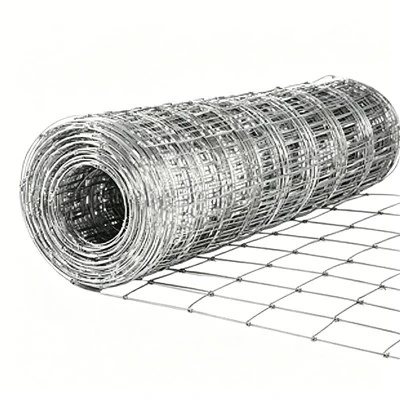
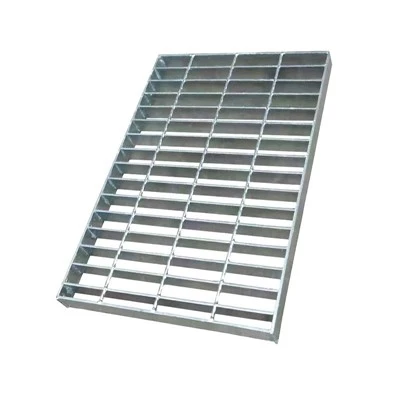
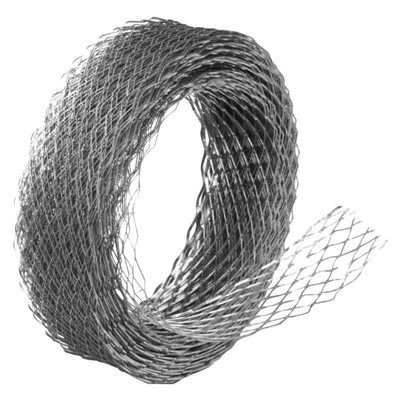
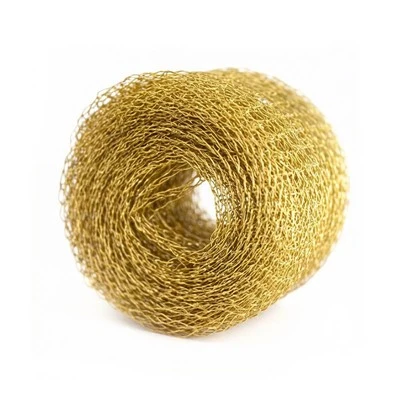
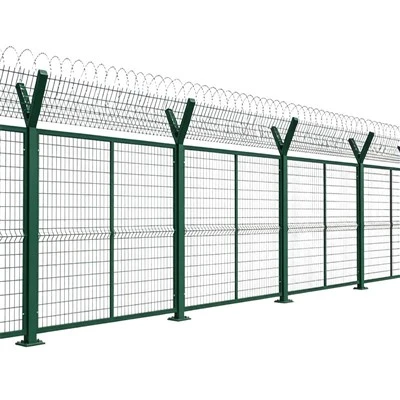
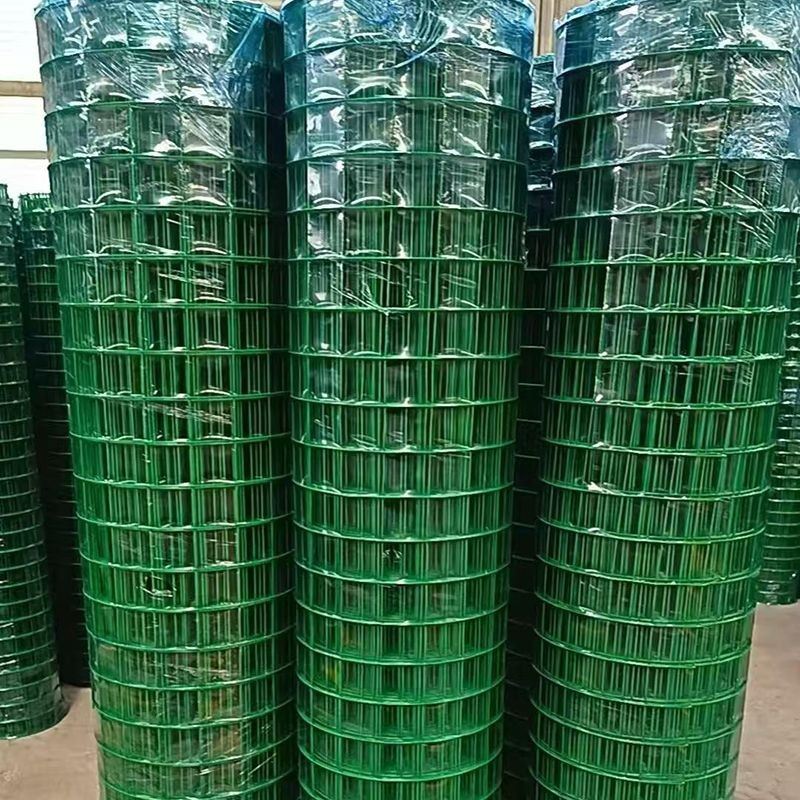
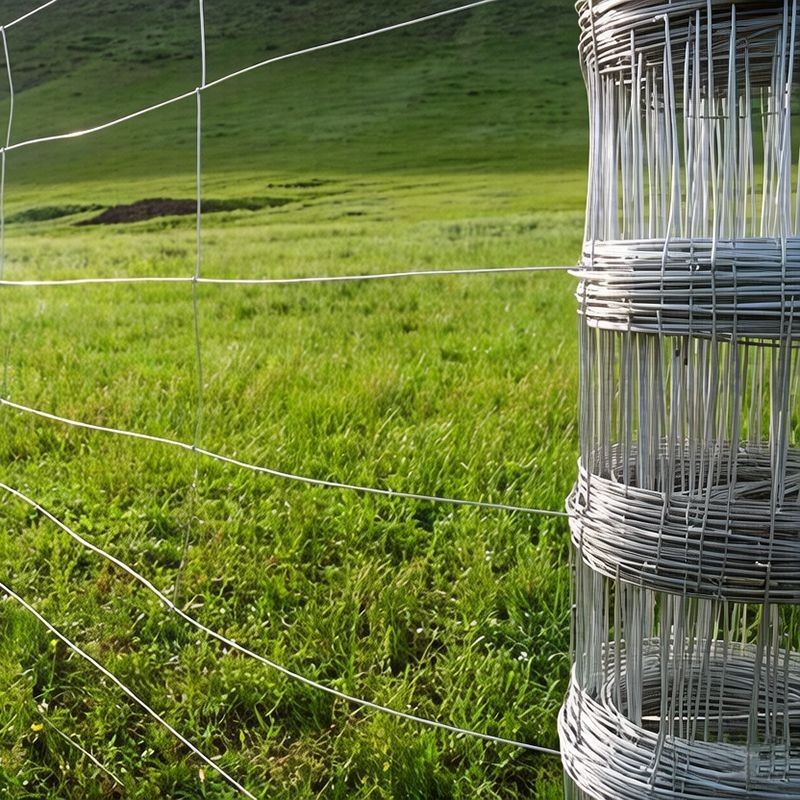
We offer a variety of home perimeter fences, including Garden Perimeter Fence, Plastic Coated Welded Wire Mesh, Farm Perimeter Fence, Reinforced Macmat, and Site Perimeter Fencing. Each type has its own characteristics that may or may not be suitable for bird nesting.
Garden Perimeter Fence
Our garden perimeter fences are often made of materials like wood or metal, which can provide a relatively stable structure for bird nests. Wooden fences, in particular, can offer some natural elements that birds may find attractive, such as small crevices or rough surfaces where they can attach their nests. The presence of plants growing along the fence can also add to its appeal, providing additional cover and nesting materials. However, if the fence is treated with chemicals for preservation, it may pose a risk to the health of the birds and their chicks.
Plastic Coated Welded Wire Mesh
This type of fence is known for its durability and flexibility. The wire mesh can provide a framework on which birds can build their nests, especially if the mesh is of a suitable size. Smaller mesh sizes may prevent larger birds from accessing the interior of the fence, but they can be ideal for smaller species like wrens. However, the plastic coating may not be as natural as other materials, and it may not offer the same level of insulation or protection from the elements.
Farm Perimeter Fence
Farm perimeter fences are usually more robust and can span large areas. They may be made of wire, posts, and rails, which can create multiple levels and spaces where birds can potentially build their nests. The open design of some farm fences can also allow for easy access to food sources in the surrounding fields. However, the high - traffic nature of farms, with vehicles and livestock moving around, may pose a threat to the safety of the nests.
Reinforced Macmat
Reinforced Macmat is a unique fencing option that offers a combination of strength and flexibility. Its mesh - like structure can provide support for bird nests, and the reinforced nature of the material means that it can withstand the elements and potential disturbances. However, due to its relatively smooth surface, it may be less appealing to birds that prefer rough or textured nesting sites.
Site Perimeter Fencing
Site perimeter fencing is often used for construction sites or industrial areas. While these fences may not seem like the most obvious choice for bird nesting, they can still provide some value. For example, if the fence is located near natural habitats or has some vegetation growing on or around it, it can attract birds. However, the constant noise and activity associated with construction or industrial sites can be a deterrent.
Benefits and Drawbacks for Birds and Homeowners
Benefits for Birds
If a home perimeter fence can be used for nesting, it can provide several benefits for the birds. It can offer an additional nesting site in areas where natural habitats may be limited. The fence can also provide some protection from ground - dwelling predators, such as cats and foxes. In addition, the presence of human - made structures can sometimes attract insects, which can serve as a food source for the birds.
Drawbacks for Birds
However, there are also some potential drawbacks for the birds. As mentioned earlier, the use of chemicals on fences can be harmful to their health. The location of the fence may also expose the nests to more extreme weather conditions, especially if it is not well - sheltered. In addition, the proximity to human activity can cause stress to the birds, and there is a risk of accidental damage to the nests.
Benefits for Homeowners
For homeowners, having birds nesting on their perimeter fences can be a wonderful experience. It can bring a touch of nature to their property and provide an opportunity to observe wildlife up close. Birds can also help control insect populations in the garden, which can be beneficial for plants.
Drawbacks for Homeowners
On the other hand, there are some potential drawbacks for homeowners. The presence of nesting birds can result in droppings on the fence, which may require cleaning. In addition, some birds can be noisy, especially during the breeding season, which may be a nuisance to the homeowners or their neighbors.
Encouraging and Managing Bird Nesting on Home Perimeter Fences
If you are a homeowner interested in encouraging birds to nest on your perimeter fence, there are several steps you can take. First, choose a fence type that is suitable for bird nesting, such as a wooden or wire fence with some natural elements. You can also add some bird - friendly features to the fence, such as small perches or nesting boxes.
To manage the presence of nesting birds, it's important to respect their space. Avoid making major changes to the fence during the nesting season, and keep your pets away from the area. If you notice any signs of distress or damage to the nests, it's best to consult with a local wildlife expert.
Conclusion
In conclusion, while a home perimeter fence can potentially be used for bird nesting, it depends on several factors, including the type of fence, the location, and the needs of the birds. As a home perimeter fence supplier, we are committed to providing products that not only meet the security and demarcation needs of our customers but also have the potential to support local wildlife.
If you're interested in purchasing a home perimeter fence that may be suitable for bird nesting or have any questions about our products, we'd love to hear from you. Contact us to discuss your specific needs and explore the various options available.
References
- Lack, D. (1968). Ecological Adaptations for Breeding in Birds. Methuen.
- Newton, I. (1998). Population Limitation in Birds. Academic Press.
- Hinsley, S.A., & Bellamy, P.E. (Eds.). (2000). Birds in the Farmed Landscape. Springer.