
In the world of construction, the choice of materials for exterior walls is a critical decision that impacts the aesthetics, durability, and overall performance of a building. As a supplier of Wire Mesh Brick Wall, I am often asked whether a wire mesh brick wall can be a suitable option for exterior construction. In this blog post, I will delve into the technical aspects, advantages, and potential challenges of using wire mesh brick walls for exterior applications.
Technical Overview of Wire Mesh Brick Walls
A wire mesh brick wall is a composite structure that combines the strength of bricks with the reinforcement provided by wire mesh. The wire mesh is typically placed between layers of bricks or within the mortar joints to enhance the wall's structural integrity. The mesh acts as a tensile reinforcement, helping to distribute loads more evenly and resist cracking and spalling.
Types of Wire Mesh
There are several types of wire mesh available for use in brick walls, each with its own characteristics and applications. The most common types include:
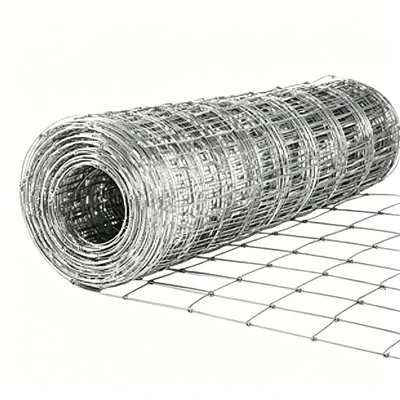
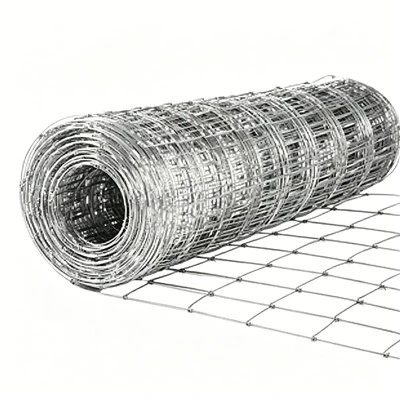
- Galvanized Wire Mesh: This type of mesh is coated with zinc to protect it from corrosion. Galvanized wire mesh is highly durable and suitable for outdoor applications where the wall will be exposed to moisture and other environmental factors.
- Stainless Steel Wire Mesh: Stainless steel mesh offers excellent corrosion resistance and is ideal for use in harsh environments or areas with high humidity. It is also more expensive than galvanized wire mesh.
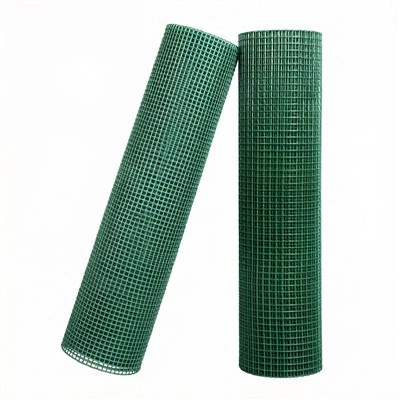
- Welded Wire Mesh: Welded wire mesh is made by welding individual wires together at the intersections. It is a strong and rigid mesh that provides good reinforcement for brick walls.
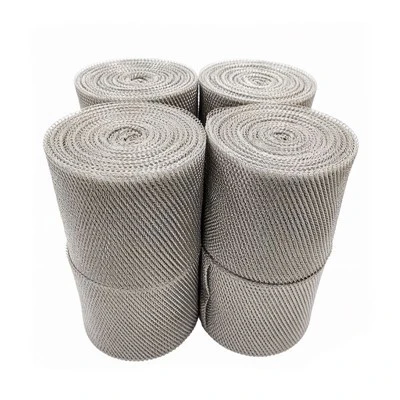
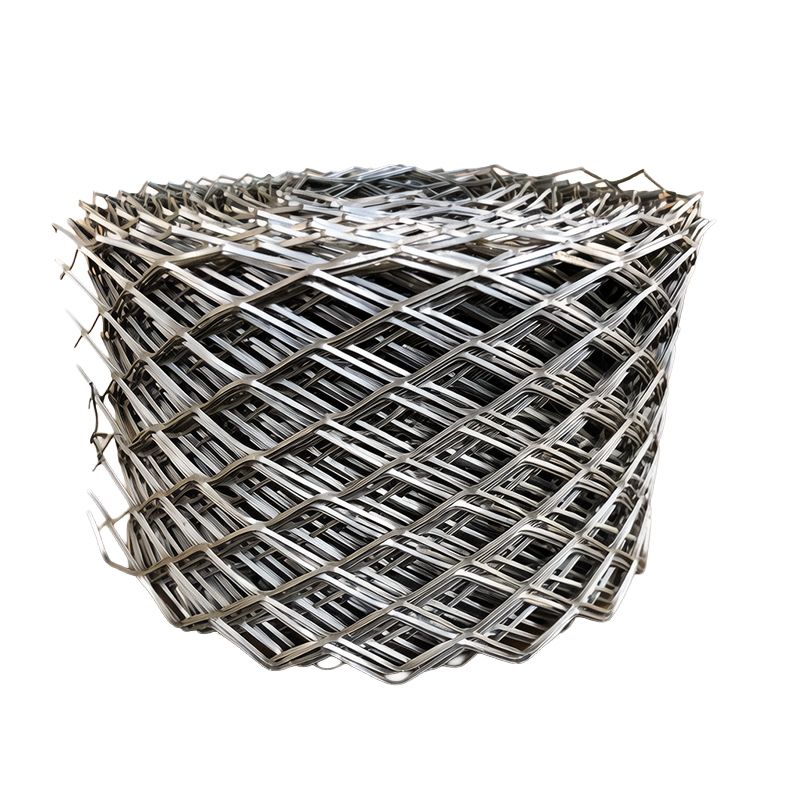
- Expanded Metal Mesh: Expanded metal mesh is created by cutting and stretching a sheet of metal to form a mesh pattern. It is lightweight and flexible, making it easy to install in brick walls.
Installation Process
The installation of a wire mesh brick wall requires careful planning and attention to detail. Here is a general overview of the installation process:

- Prepare the Foundation: The foundation for the wall must be level and stable. It should be able to support the weight of the bricks and the wire mesh.
- Lay the First Course of Bricks: Start by laying the first course of bricks on the foundation. Use a level to ensure that the bricks are straight and level.
- Install the Wire Mesh: Once the first course of bricks is in place, install the wire mesh. The mesh should be placed between the bricks or within the mortar joints. Make sure that the mesh is properly secured and that it extends beyond the edges of the bricks.
- Lay the Remaining Courses of Bricks: Continue laying the remaining courses of bricks, alternating the placement of the wire mesh between each course. Use a trowel to apply mortar to the bricks and to fill in the joints.
- Finish the Wall: Once the wall is complete, use a trowel to smooth the surface of the mortar joints. You can also apply a sealant or paint to the wall to protect it from the elements.
Advantages of Using Wire Mesh Brick Walls for Exterior Construction
There are several advantages to using wire mesh brick walls for exterior construction. Here are some of the key benefits:
- Enhanced Structural Integrity: The wire mesh provides additional reinforcement to the brick wall, making it more resistant to cracking and spalling. This is especially important in areas with high seismic activity or strong winds.
- Improved Durability: The combination of bricks and wire mesh creates a durable and long-lasting wall that can withstand the test of time. The wire mesh helps to prevent the bricks from shifting or separating, which can lead to damage to the wall.
- Better Aesthetics: Wire mesh brick walls can be designed to create a variety of decorative effects. The mesh can be used to create patterns or textures on the surface of the wall, adding visual interest and enhancing the overall appearance of the building.
- Increased Fire Resistance: Bricks are a non-combustible material, and the wire mesh can help to further enhance the fire resistance of the wall. This is an important consideration for buildings in areas with a high risk of fire.
- Easy Maintenance: Wire mesh brick walls are relatively easy to maintain. They can be cleaned with a pressure washer or a mild detergent, and any damaged bricks or mesh can be easily replaced.
Potential Challenges of Using Wire Mesh Brick Walls for Exterior Construction
While there are many advantages to using wire mesh brick walls for exterior construction, there are also some potential challenges that need to be considered. Here are some of the key challenges:
- Cost: Wire mesh brick walls can be more expensive than traditional brick walls. The cost of the wire mesh and the additional labor required for installation can add to the overall cost of the project.
- Installation Complexity: The installation of a wire mesh brick wall requires skilled labor and careful attention to detail. Improper installation can lead to problems such as cracking, spalling, or unevenness in the wall.
- Corrosion: If the wire mesh is not properly protected, it can corrode over time. This can weaken the wall and lead to damage.
- Aesthetics: Some people may not like the appearance of wire mesh brick walls. The mesh can be visible on the surface of the wall, which may not be desirable in some architectural styles.
Applications of Wire Mesh Brick Walls in Exterior Construction
Wire mesh brick walls can be used in a variety of exterior construction applications. Here are some of the common uses:
- Residential Buildings: Wire mesh brick walls are a popular choice for residential buildings. They can be used to create a variety of styles, from traditional to modern, and can enhance the curb appeal of the home.
- Commercial Buildings: Wire mesh brick walls are also commonly used in commercial buildings. They can provide a durable and attractive exterior for offices, retail stores, and other commercial structures.
- Industrial Buildings: In industrial settings, wire mesh brick walls can be used to provide a high level of security and protection. The walls can be reinforced with additional layers of wire mesh to withstand impact and prevent intrusion.
- Landscaping and Outdoor Structures: Wire mesh brick walls can be used to create retaining walls, garden walls, and other outdoor structures. They can add a decorative element to the landscape and provide a functional barrier.
Conclusion
In conclusion, a wire mesh brick wall can be a viable option for exterior construction. It offers several advantages, including enhanced structural integrity, improved durability, better aesthetics, increased fire resistance, and easy maintenance. However, there are also some potential challenges that need to be considered, such as cost, installation complexity, corrosion, and aesthetics.
As a supplier of Wire Mesh Brick Wall and Mesh for Brickwork, I am committed to providing high-quality products and expert advice to help you make the right choice for your construction project. If you are interested in learning more about wire mesh brick walls or would like to discuss your specific needs, please feel free to contact us. We look forward to working with you to create a beautiful and durable exterior for your building.
References
- "Brick Masonry Design and Detailing," National Concrete Masonry Association.
- "Wire Mesh Reinforcement for Masonry," American Concrete Institute.
- "Exterior Wall Design and Construction," Building Science Corporation.