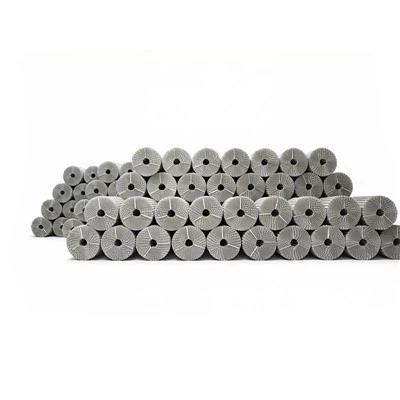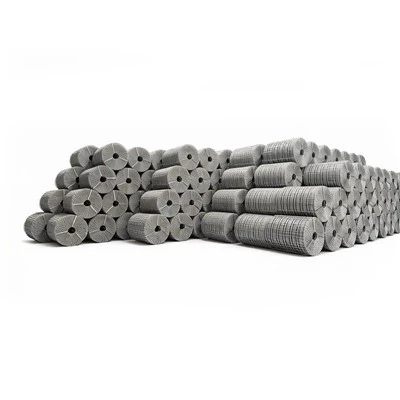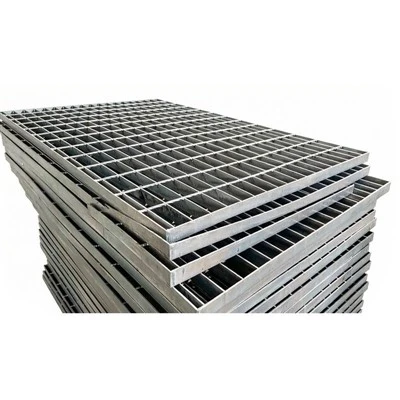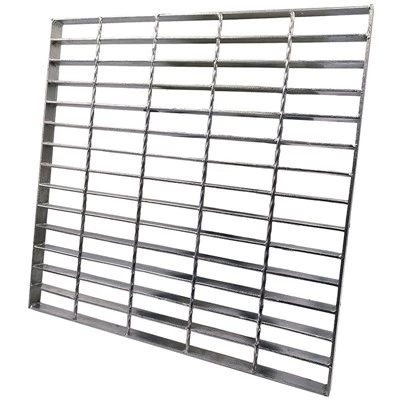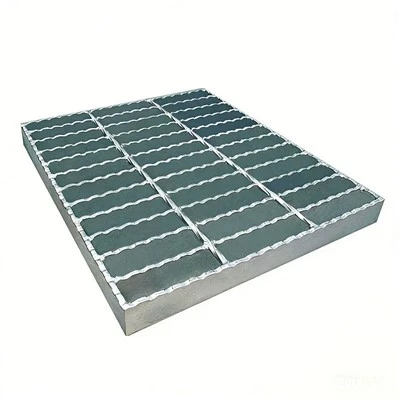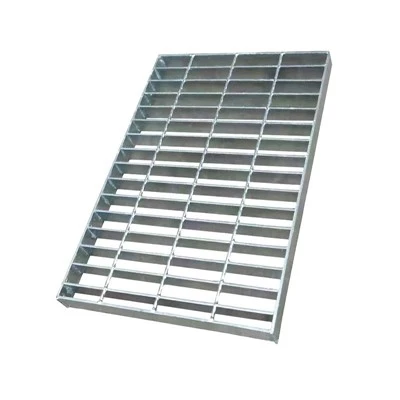
"Holland mesh" (welded wire mesh fencing) is typically manufactured using low-carbon steel wire as the base material. Before production, the wire undergoes a drawing process to achieve the required diameter and tensile strength. Some products utilize galvanized or pre-treated wire to enhance subsequent corrosion resistance.
The mesh structure is created through either welding or weaving processes. Welded mesh is produced using automated equipment that spot-welds warp and weft wires at set intervals to form a stable grid. Woven mesh is created by mechanically interlacing wires into a diamond or square pattern; each method is suited to specific applications.
Following the formation of the mesh, surface treatments are applied, such as hot-dip galvanizing, cold galvanizing, or PVC coating. Hot-dip galvanizing is the most common method, significantly boosting corrosion resistance, while PVC coating creates a protective layer that improves both aesthetics and weather resistance.
Final steps include cutting to standard sizes, roll packaging, and quality inspection. Key checks-such as mesh uniformity, weld integrity, and coating quality-ensure the product maintains stable performance during transport and use.