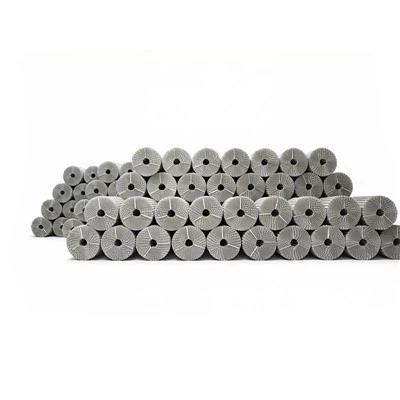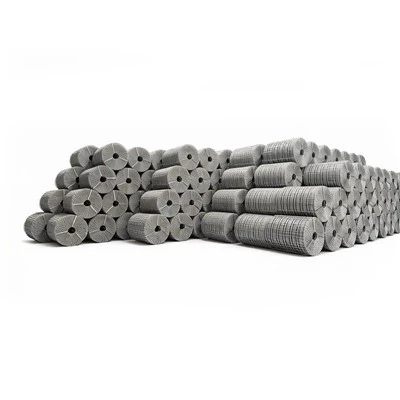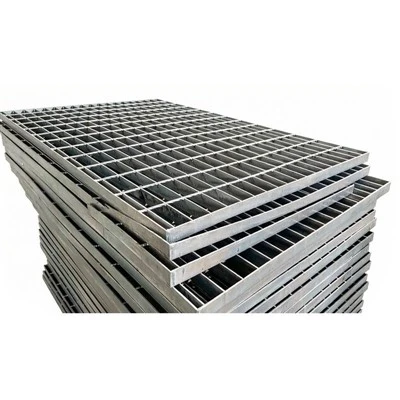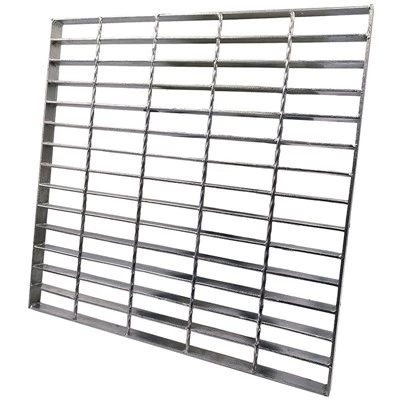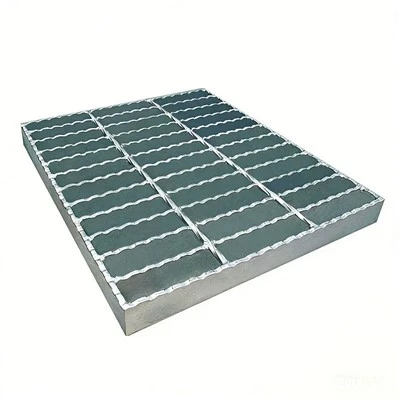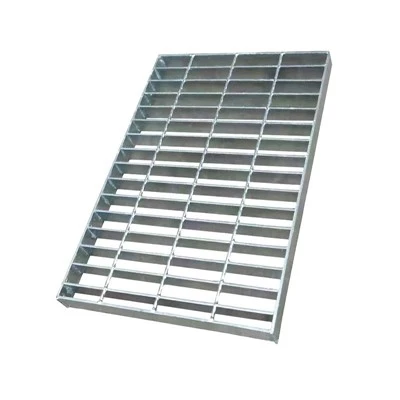
Storage standards for Holland mesh are primarily designed to prevent rust, deformation, or coating damage, thereby ensuring the product maintains optimal performance prior to installation.
Regarding the storage environment, the mesh should be kept in a dry, well-ventilated indoor warehouse rather than being stacked outdoors. If temporary outdoor storage is unavoidable, adequate measures-such as covering the material-must be taken to protect it from rain and moisture; this prevents long-term exposure from causing rust on the steel wire, particularly for products that are not plastic-coated or have thin anti-corrosion layers.
In terms of stacking, the mesh should be organized neatly by type and specification, avoiding haphazard piling or excessive pressure. Stacking heights should be limited to prevent the bottom layers from deforming under the weight. Additionally, contact with sharp objects must be avoided to prevent scratching the PVC coating or galvanized layer, which could compromise anti-corrosion performance.
Regarding handling and inventory management, dragging or throwing the material should be avoided to prevent structural deformation or wire breakage. For products in long-term storage, periodic inspections are recommended to check for moisture, rust, or coating degradation; necessary measures-such as restacking or maintenance-should be taken to ensure the product meets usage requirements when it is eventually dispatched.