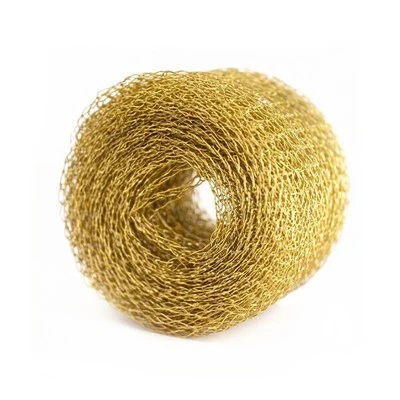

Livestock can be a real asset to a farm, but they can also be a handful when it comes to keeping them within the boundaries. As a supplier of Farm Perimeter Fence, I've seen firsthand the problems that livestock can cause to fences. In this blog, I'll share some practical tips on how to prevent your livestock from damaging your farm perimeter fence.
Choose the Right Fence Material
The first step in preventing livestock damage to your fence is choosing the right material. Different types of livestock have different behaviors and strengths, so you need a fence that can withstand their actions.
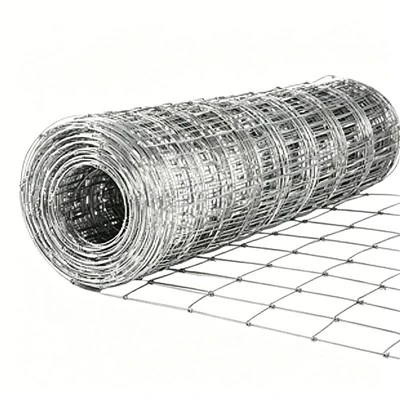
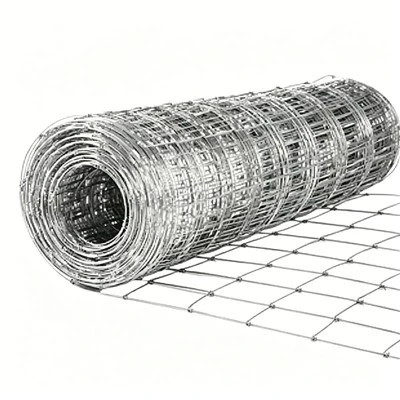
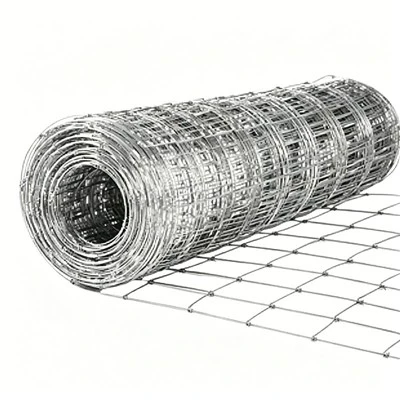
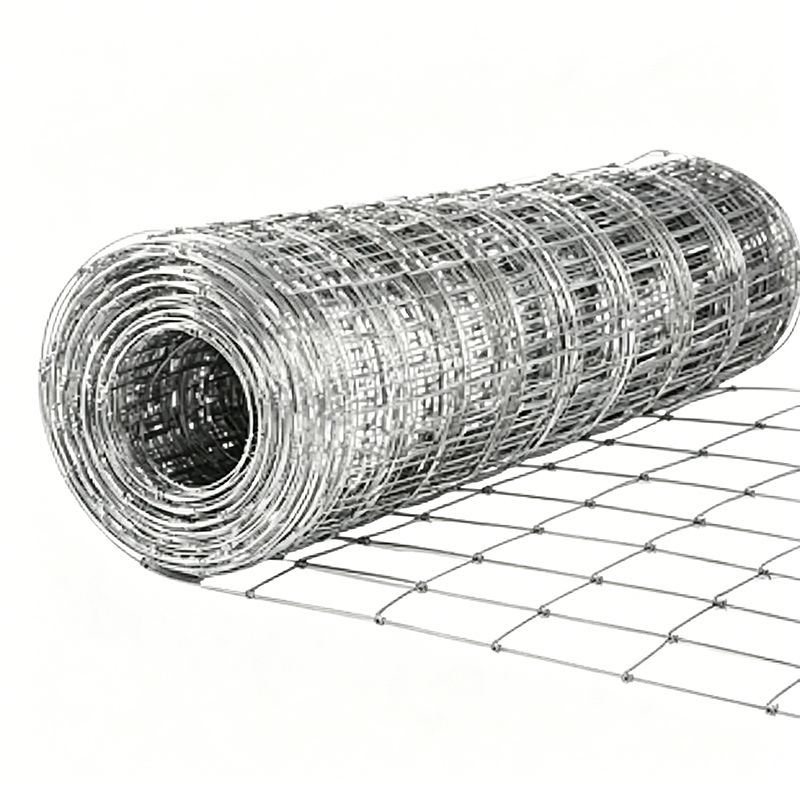
- Livestock Fence Rolls: These are a popular choice among farmers. Livestock Fence Rolls are flexible and can be easily installed around the perimeter of your farm. They are made of strong materials that can resist the pushing and rubbing of livestock. For smaller animals like sheep and goats, these rolls can provide a cost - effective solution.
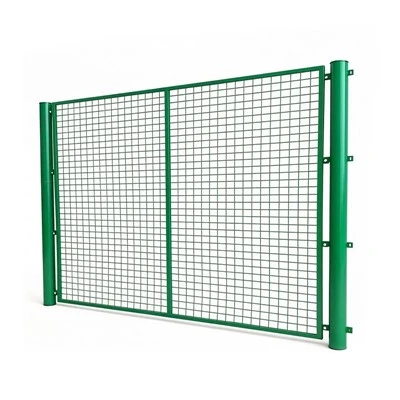
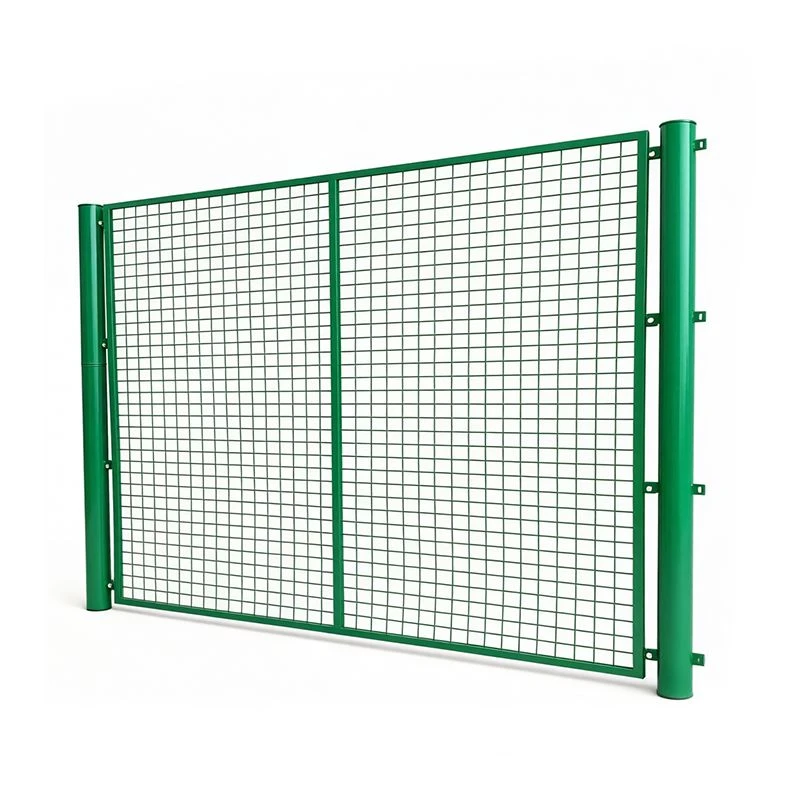
- PVC Coated Welded Mesh Fence: This type of fence is not only strong but also weather - resistant. The PVC coating protects the mesh from rust and corrosion, which is especially important in areas with high humidity or frequent rainfall. The welded mesh construction makes it difficult for livestock to break through. It's a great option for farms with pigs or cattle, as they are more likely to test the strength of the fence.
- Reinforced Macmat: If you have larger and more powerful livestock, Reinforced Macmat might be the best choice. It's designed to be extremely durable and can withstand heavy impacts. The reinforcement adds an extra layer of strength, making it almost impossible for animals to damage.
Proper Installation
Even the best fence materials won't do much good if they're not installed correctly.
- Dig Deep: When installing fence posts, make sure to dig deep enough. A general rule of thumb is to dig post holes at least one - third of the post's length. For example, if you're using a 6 - foot post, the hole should be at least 2 feet deep. This will ensure that the posts are stable and won't be easily knocked over by the livestock.
- Use the Right Tools: Using the right installation tools is crucial. A post - hole digger will make the job of digging holes much easier and more precise. For attaching the fence to the posts, use heavy - duty wire or clips that are designed for the specific type of fence you're installing. Don't skimp on the quality of these attachment materials, as they play a big role in keeping the fence intact.
Regular Maintenance
Regular maintenance is key to preventing livestock from damaging your fence.
- Inspect Regularly: Walk around your farm perimeter fence at least once a week to look for any signs of damage. Check for loose wires, broken posts, or any areas where the livestock might be starting to push through. If you catch these problems early, you can fix them before they turn into major issues.
- Repair Promptly: As soon as you find any damage, repair it right away. A small hole or a loose wire can quickly turn into a big problem if left unattended. Keep a supply of repair materials on hand, such as extra wire, posts, and clips, so you can make the necessary repairs as soon as possible.
Behavioral Management of Livestock
You can also take steps to manage the behavior of your livestock to reduce the chances of fence damage.
- Provide Adequate Space: Make sure your livestock have enough space to move around and graze. Overcrowding can lead to stress and aggression, which can cause the animals to push against the fence more often. Calculate the appropriate amount of space based on the type and number of livestock you have.
- Train Your Livestock: You can train your livestock to respect the fence. For example, you can use electric fencing as a temporary measure to teach them where the boundaries are. Once they learn to stay within the designated area, you can switch back to a regular fence. This training process takes time and patience, but it can be very effective in the long run.
Consider Additional Barriers and Deterrents
In some cases, you might need to add additional barriers or deterrents to prevent livestock from reaching the fence.
- Plant a Buffer Zone: Planting shrubs or small trees along the inside of the fence can create a buffer zone. Livestock are less likely to push through a thicket of plants to reach the fence. Choose plants that are non - toxic to your livestock and that can withstand some grazing.
- Use Noise or Visual Deterrents: There are various noise and visual deterrents available on the market. For example, you can hang old CDs or other shiny objects from the fence. The movement and reflection of light can scare the livestock away from the fence. You can also use motion - activated noise devices that will startle the animals if they get too close.
Fence Design for Different Livestock
Different types of livestock have different needs and behaviors, so your fence design should be tailored to them.
- For Cattle: Cattle are large and strong animals. A sturdy fence with a height of at least 4 to 5 feet is recommended. You can use a combination of barbed wire and smooth wire to create a strong barrier. Make sure the posts are spaced closely enough to prevent the cattle from pushing through.
- For Sheep and Goats: These animals are more agile and can jump or squeeze through small spaces. A fence with smaller mesh openings, such as the Livestock Fence Rolls, is ideal. The fence should be at least 3 to 4 feet high to prevent them from jumping over.
- For Pigs: Pigs are known for their rooting behavior. A fence that is buried at least 6 to 12 inches underground can prevent them from digging under the fence. You can use a PVC Coated Welded Mesh Fence for added durability.
Conclusion
Preventing livestock from damaging your farm perimeter fence requires a combination of choosing the right materials, proper installation, regular maintenance, and behavioral management of your livestock. By following the tips in this blog, you can ensure that your fence remains intact and your livestock stay safely within the boundaries of your farm.
If you're in the market for a new Farm Perimeter Fence or need to replace an old one, don't hesitate to reach out. We're here to help you find the best solution for your farm. Whether you need a fence for your livestock, garden, or the entire farm perimeter, we have a wide range of products to choose from, including Garden Perimeter Fence. Contact us to discuss your specific needs and start the procurement process.
References
- "Livestock Fencing: A Guide for Farmers", Agricultural Extension Service.
- "Fence Materials and Installation Best Practices", National Fence Association.
- "Managing Livestock Behavior to Protect Fences", Journal of Animal Science.