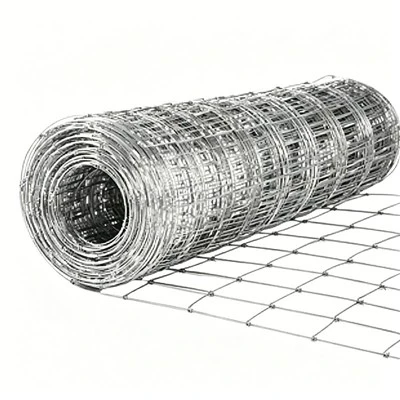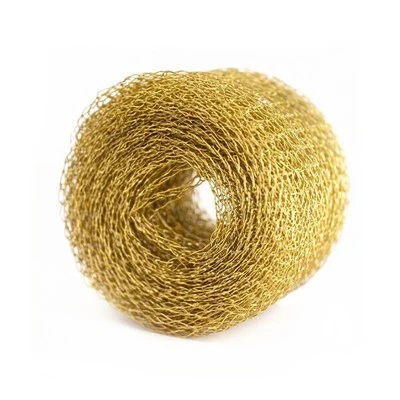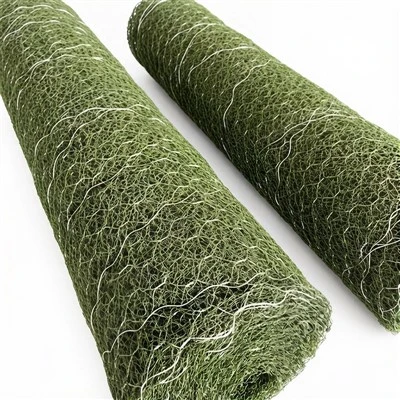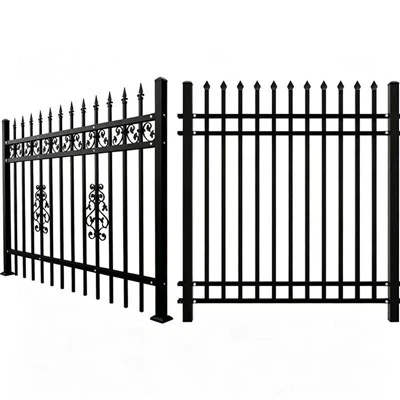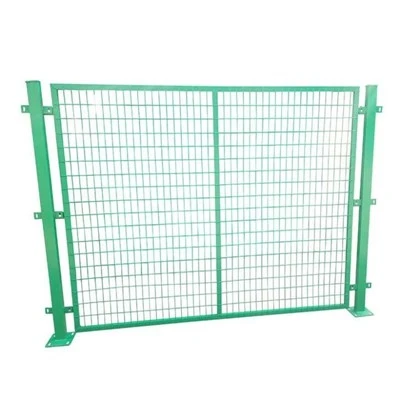

Maintaining a galvanized steel garden perimeter fence is crucial for both its longevity and aesthetic appeal. As a Garden Perimeter Fence supplier, I have seen firsthand the benefits of proper maintenance for galvanized steel fences. These fences are a popular choice for gardens due to their durability, strength, and resistance to rust and corrosion. However, like any other structure, they require regular care to ensure they remain in top condition.
Understanding Galvanized Steel
Galvanized steel is steel that has been coated with a layer of zinc to protect it from rust and corrosion. This process, known as galvanization, creates a barrier between the steel and the environment, preventing moisture and oxygen from reaching the metal. There are two main types of galvanization: hot-dip galvanizing and electro-galvanizing. Hot-dip galvanizing involves dipping the steel into a bath of molten zinc, which creates a thick, durable coating. Electro-galvanizing, on the other hand, uses an electric current to apply a thin layer of zinc to the steel.
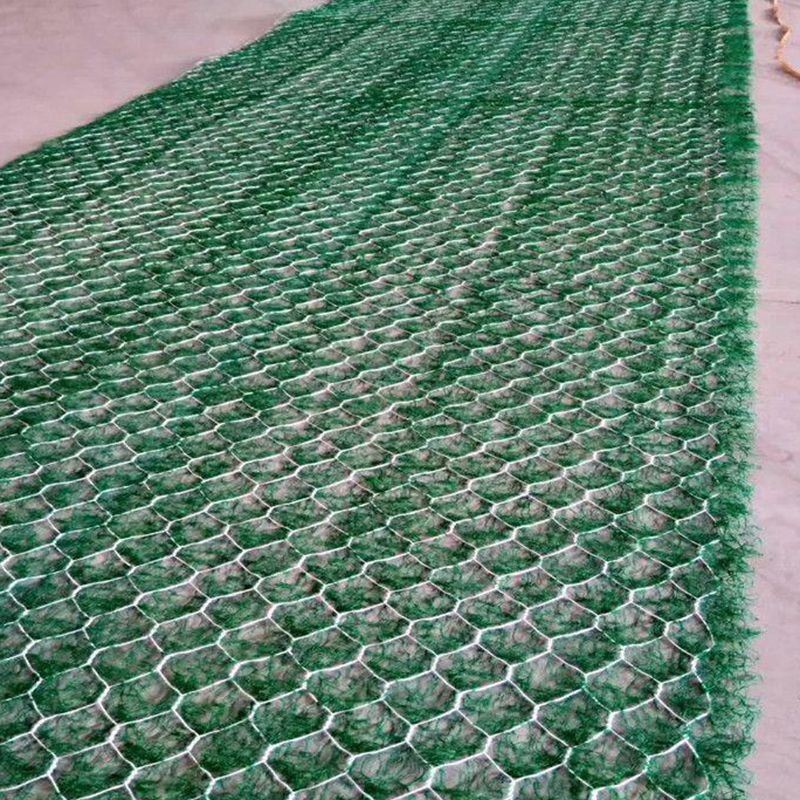
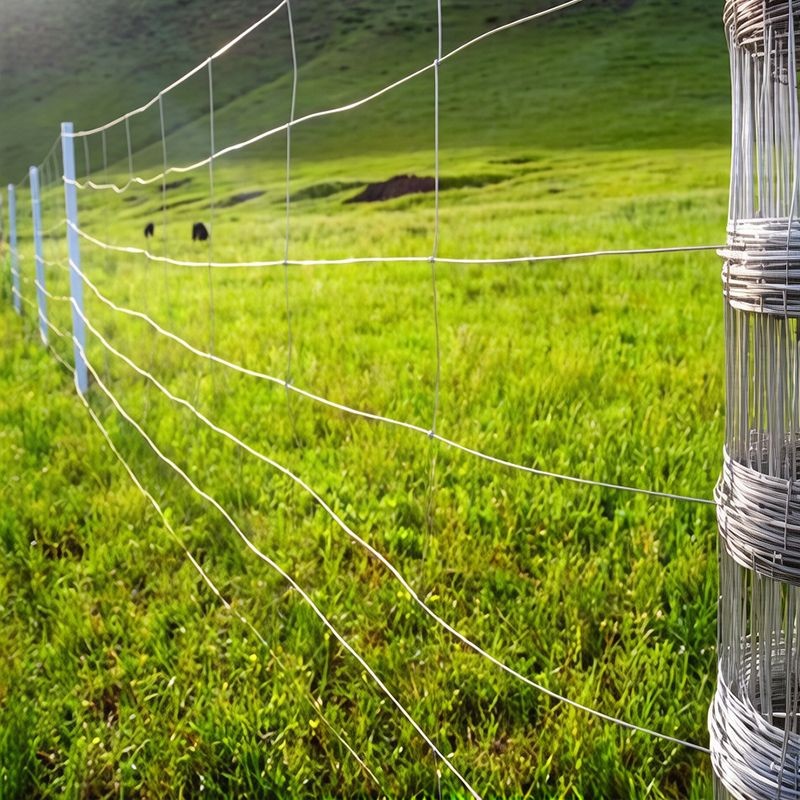
One of the main advantages of galvanized steel is its long lifespan. A well-maintained galvanized steel fence can last for decades, making it a cost-effective investment for your garden. Additionally, galvanized steel is relatively low-maintenance compared to other materials, such as wood or wrought iron.
Regular Inspections
Regular inspections are the first step in maintaining a galvanized steel garden perimeter fence. I recommend inspecting your fence at least once a season, or more frequently if you live in an area with harsh weather conditions. During your inspection, look for any signs of damage, such as rust, dents, or loose connections. Pay special attention to areas where the fence may be in contact with the ground, as these areas are more prone to corrosion.
If you notice any rust spots on your fence, it's important to address them as soon as possible. Rust can spread quickly, causing further damage to the steel. To remove rust, you can use a wire brush or sandpaper to scrub the affected area. Once the rust has been removed, apply a coat of zinc-rich paint or a rust converter to prevent further corrosion.
Cleaning the Fence
Cleaning your galvanized steel fence regularly can help to prevent the buildup of dirt, grime, and other contaminants. I recommend cleaning your fence at least once a year, or more frequently if it is exposed to a lot of pollution or debris. To clean your fence, you can use a mild detergent and water. Avoid using abrasive cleaners or scrubbers, as these can damage the zinc coating.
Start by rinsing the fence with a hose to remove any loose dirt or debris. Then, mix a small amount of mild detergent with water in a bucket. Use a soft-bristled brush to apply the detergent solution to the fence, working in small sections at a time. Scrub the fence gently to remove any stubborn dirt or stains. Rinse the fence thoroughly with a hose to remove all of the detergent solution.
Preventing Corrosion
In addition to regular inspections and cleaning, there are several other steps you can take to prevent corrosion on your galvanized steel garden perimeter fence. One of the most important things you can do is to ensure that the fence is properly installed. Make sure that the posts are set firmly in the ground and that the fence panels are securely attached. This will help to prevent the fence from shifting or moving, which can cause damage to the zinc coating.
Another way to prevent corrosion is to avoid exposing the fence to harsh chemicals or abrasive materials. For example, avoid using de-icing salts or fertilizers near the fence, as these can damage the zinc coating. If you need to use these products, make sure to keep them at a safe distance from the fence.
Repairing Damaged Sections
If you notice any damaged sections of your galvanized steel fence, it's important to repair them as soon as possible. Small repairs, such as replacing a loose bolt or nut, can usually be done easily with a few basic tools. However, if the damage is more extensive, you may need to replace the entire section of the fence.
When repairing a damaged section of the fence, make sure to use the same type of galvanized steel as the original fence. This will help to ensure that the repair matches the rest of the fence and that it provides the same level of protection against rust and corrosion. You can find replacement parts for your fence at most home improvement stores or from your fence supplier.
Additional Protection
In some cases, you may want to provide additional protection for your galvanized steel garden perimeter fence. One option is to apply a clear coating or sealer to the fence. This can help to protect the zinc coating from UV rays, moisture, and other environmental factors. There are several different types of clear coatings and sealers available, so make sure to choose one that is specifically designed for use on galvanized steel.
Another option is to install a fence protector or guardrail around the perimeter of the fence. This can help to prevent damage from vehicles, lawn equipment, or other objects. Fence protectors and guardrails are available in a variety of materials and styles, so you can choose one that matches the look of your fence.
Conclusion
Maintaining a galvanized steel garden perimeter fence is an important part of keeping your garden safe and secure. By following these tips and guidelines, you can ensure that your fence remains in top condition for many years to come. Regular inspections, cleaning, and repairs are essential for preventing corrosion and damage to the fence. Additionally, taking steps to prevent damage from the environment and other factors can help to extend the lifespan of the fence.
If you're in the market for a new garden perimeter fence or need to replace an existing one, we offer a wide range of options to choose from, including Metal Field Fencing, Composite Reinforced Geomat, Reinforced Macmat, Farm Perimeter Fence, and Chicken Perimeter Fence. Our expert team can help you choose the right fence for your needs and provide you with professional installation services.
Contact us today to learn more about our garden perimeter fence products and services. We look forward to working with you to create the perfect fence for your garden.
References
- "Galvanized Steel: Properties, Applications, and Advantages." The Balance Small Business.
- "How to Maintain a Galvanized Steel Fence." Home Guides, SF Gate.
- "Preventing Corrosion on Galvanized Steel." American Galvanizers Association.