
Livestock management is a complex and challenging task that requires a combination of effective strategies and reliable tools. One of the fundamental aspects of livestock management is ensuring the animals are kept within a defined area, preventing them from straying and maintaining a safe and organized environment. Livestock fence rolls have emerged as a popular solution for many farmers and ranchers due to their versatility, ease of installation, and cost - effectiveness. A common question that often arises in the livestock - keeping community is: Can livestock fence rolls be electrified?
The Basics of Electrified Fencing
Before delving into whether livestock fence rolls can be electrified, it's essential to understand the concept of electrified fencing. An electrified fence is a barrier that delivers an electric shock to any animal or person that comes into contact with it. The shock is produced by an energizer, which sends a high - voltage pulse through the fence wire at regular intervals. The main purpose of an electrified fence is to deter animals from touching or attempting to cross the fence, providing an effective and cost - efficient way to contain livestock.
There are several types of electrified fencing systems available, including portable and permanent setups. Portable electrified fences are often used for rotational grazing, allowing farmers to easily move the fence to different pastures. Permanent electrified fences, on the other hand, are typically used for long - term containment and are more robust and durable.
Can Livestock Fence Rolls Be Electrified?
The short answer is yes, livestock fence rolls can be electrified. In fact, many livestock fence rolls are designed to be compatible with electrification systems. However, there are several factors to consider when electrifying livestock fence rolls.
Material Compatibility
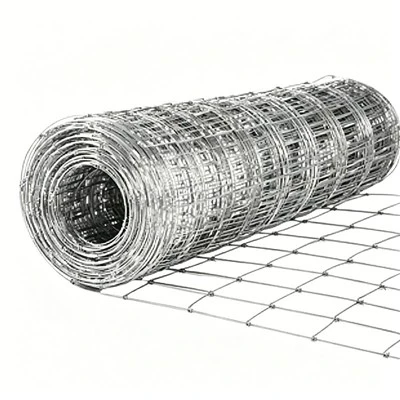
The material of the livestock fence roll plays a crucial role in its ability to be electrified. Most commonly, metal - based fence rolls, such as Metal Field Fencing, are ideal for electrification because they are good conductors of electricity. Metal wires can effectively carry the electric current from the energizer to the entire length of the fence, ensuring a consistent and reliable shock.
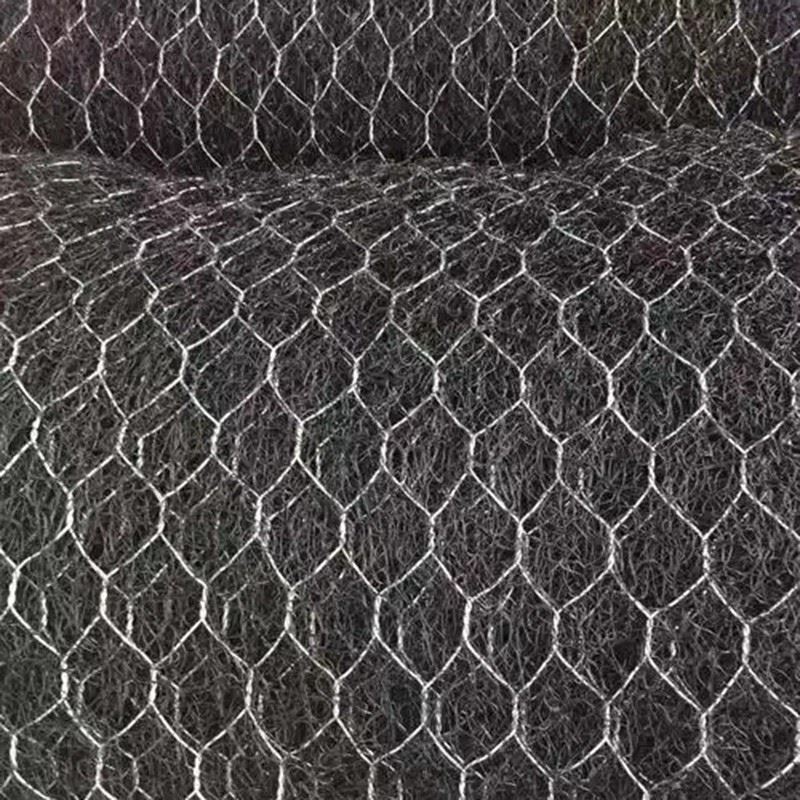
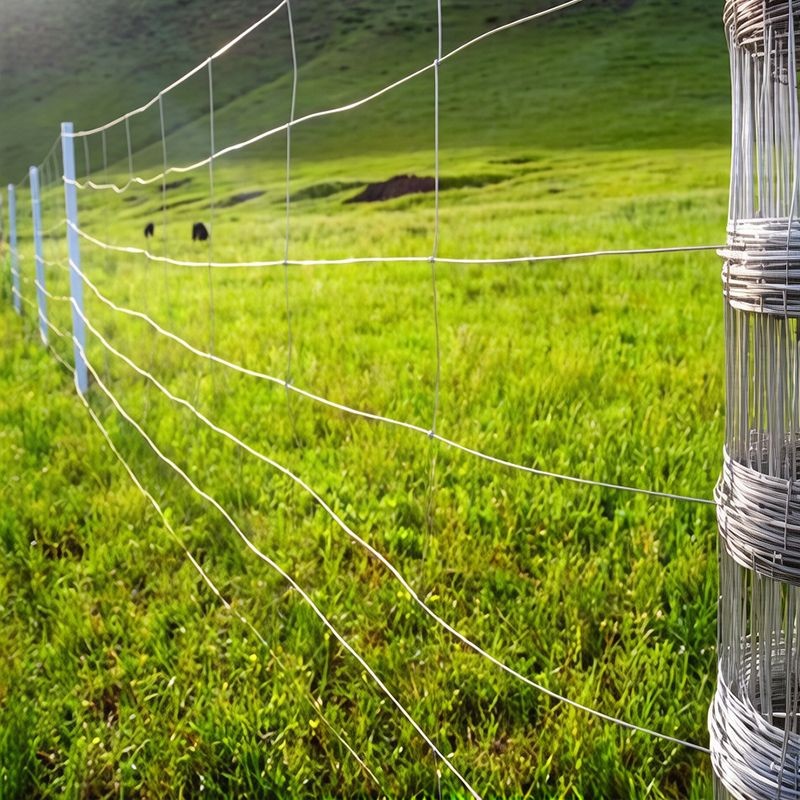
On the other hand, non - conductive materials like some types of plastic or wood may not be suitable for direct electrification. However, there are solutions for these materials as well. For example, conductive wires can be added to non - conductive fence rolls to create an electrified barrier.
Fence Design and Installation
The design and installation of the livestock fence roll also impact its electrification. A well - installed fence with proper grounding is essential for an effective electrified system. Grounding helps to complete the electrical circuit, allowing the electric current to flow through the fence and back to the energizer. If the grounding is inadequate, the fence may not deliver a strong enough shock to deter the livestock.
When installing an electrified livestock fence roll, it's important to ensure that the wires are properly tensioned and spaced. Loose wires can cause short - circuits or reduce the effectiveness of the electric shock. Additionally, the fence should be installed at an appropriate height to prevent the livestock from jumping over or crawling under it.
Safety Considerations
Safety is a primary concern when electrifying livestock fence rolls. The electric shock delivered by the fence should be strong enough to deter the animals but not so strong as to cause harm. It's crucial to use a properly rated energizer and follow all safety guidelines during installation and operation.
Farmers and ranchers should also take precautions to prevent accidental contact with the electrified fence by humans and non - target animals. Signage should be clearly displayed to indicate the presence of an electrified fence, and the fence should be installed in areas where there is limited public access.
Benefits of Electrifying Livestock Fence Rolls
Enhanced Containment
Electrifying livestock fence rolls significantly enhances the containment of livestock. Animals quickly learn to associate the electric shock with the fence, making them less likely to attempt to cross it. This is particularly useful for containing animals that are prone to wandering, such as goats and horses.
Cost - Effective
Compared to other types of fencing, electrified livestock fence rolls can be a cost - effective solution. They require less material and labor to install, and the energizer can be relatively inexpensive. Additionally, electrified fences are often more durable and require less maintenance over time.
Versatility
Electrified livestock fence rolls offer a high degree of versatility. They can be easily installed in various terrains and can be adapted to different livestock management needs. For example, portable electrified fence rolls can be used for rotational grazing, allowing farmers to efficiently manage their pastures.
Other Types of Fencing in Livestock Management
In addition to electrified livestock fence rolls, there are other types of fencing materials and systems that can be used in livestock management.
Composite Reinforced Geomat
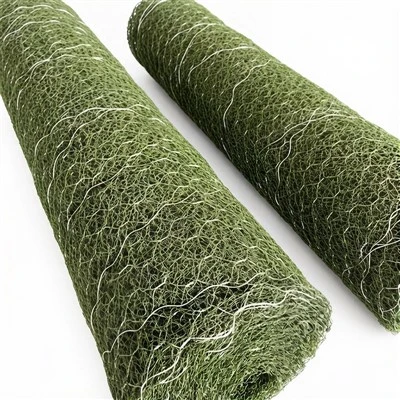
Composite reinforced geomat is a relatively new fencing material that offers several advantages. It is strong, durable, and resistant to environmental factors such as corrosion and UV rays. While it may not be a traditional choice for electrification, it can be used in combination with electrified wires to create a more secure fencing system.
Garden Perimeter Fence
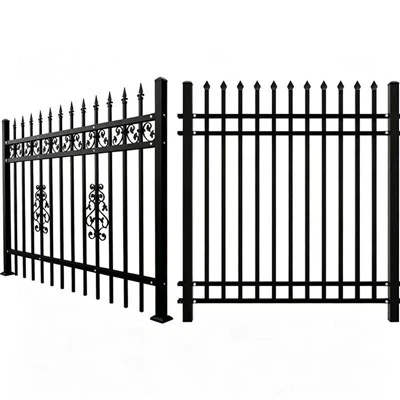
Garden perimeter fences are often used to protect small areas of land, such as gardens or small pastures. They can be made of various materials, including wood, metal, or plastic. While they are not typically electrified, they can be combined with electrified fencing for added security.
Site Perimeter Fencing
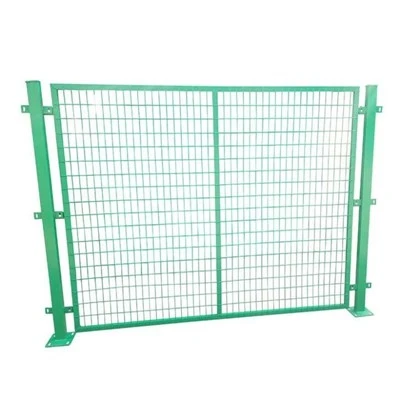
Site perimeter fencing is used to mark the boundaries of a large area of land, such as a farm or ranch. It can be electrified or non - electrified, depending on the specific requirements. Electrified site perimeter fencing can provide an extra layer of security, preventing unauthorized access and keeping livestock within the designated area.
Conclusion
In conclusion, livestock fence rolls can indeed be electrified, offering a range of benefits for livestock management. When considering electrification, it's important to take into account material compatibility, proper installation, and safety considerations. By choosing the right type of livestock fence roll and electrification system, farmers and ranchers can effectively contain their livestock, improve their management practices, and enhance the overall safety and productivity of their operations.
If you are interested in purchasing high - quality Livestock Fence Rolls or have any questions about electrifying your fencing, we encourage you to contact us for a detailed discussion. Our team of experts is ready to assist you in finding the best solution for your specific livestock management needs.
References
- ASAE Standards. Agricultural and Biological Engineering Standards. American Society of Agricultural and Biological Engineers.
- Livestock Fencing Handbook. USDA Natural Resources Conservation Service.