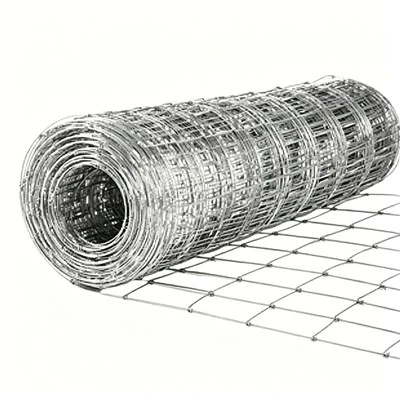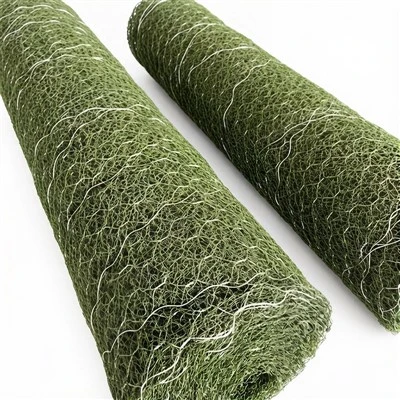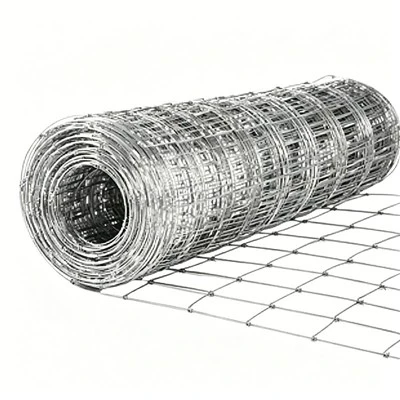

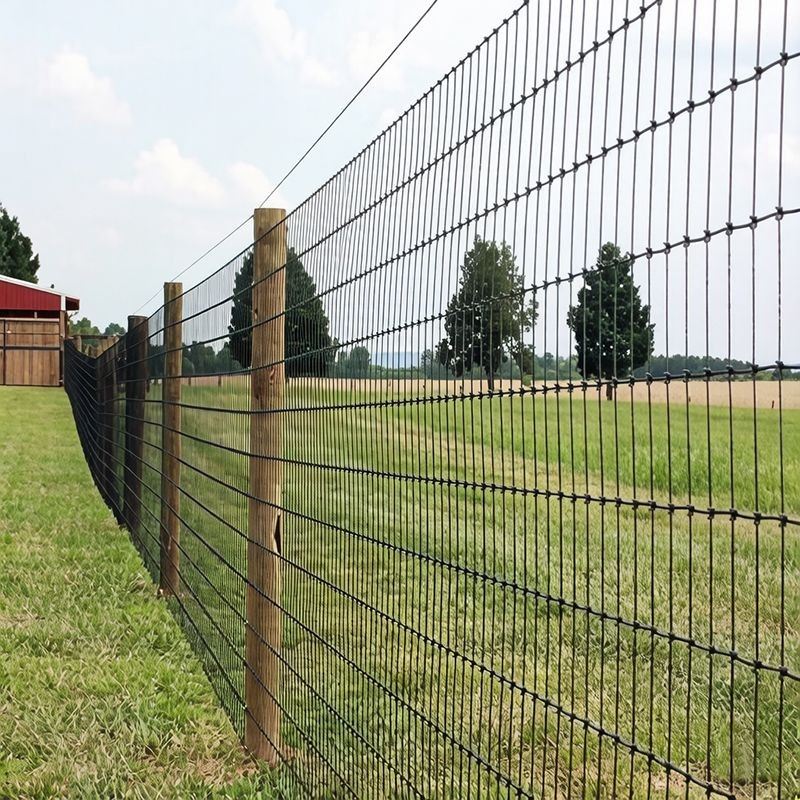
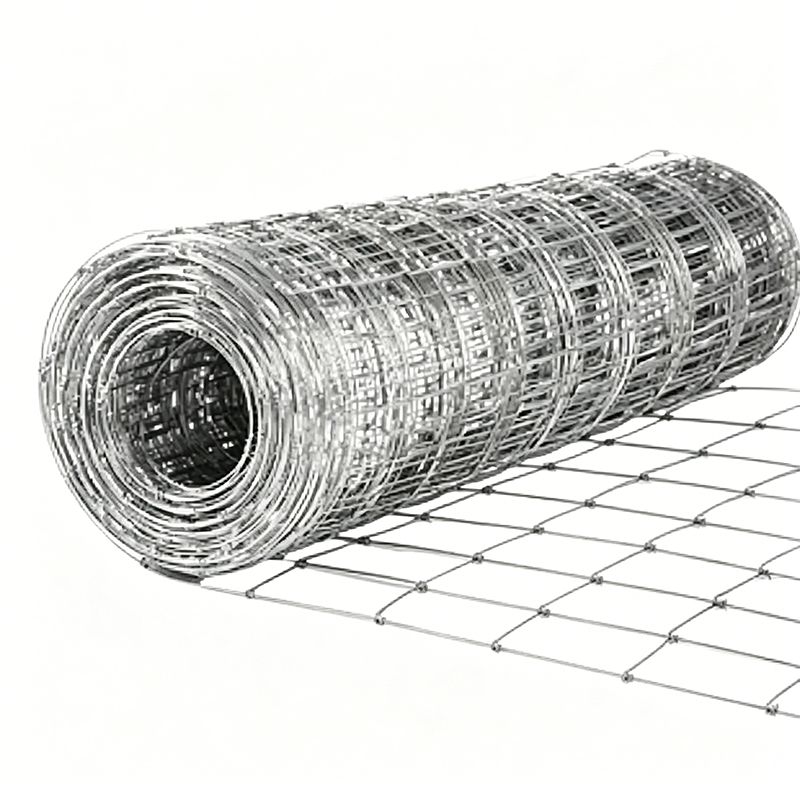
Livestock fence rolls are an essential component in the management of livestock, providing a reliable barrier to keep animals safely contained within a designated area. As a supplier of Livestock Fence Rolls, I am often asked whether these fence rolls require maintenance. The short answer is yes, and in this blog, I will delve into the reasons, types of maintenance needed, and how proper upkeep can extend the lifespan of your livestock fence rolls.
Why Maintenance is Necessary
Livestock fence rolls are constantly exposed to various environmental factors and the activities of the animals they are meant to contain. Over time, these elements can take a toll on the integrity of the fence. For example, harsh weather conditions such as heavy rain, snow, and strong winds can cause physical damage to the fence. Rust and corrosion can also set in, especially if the fence is made of metal, weakening the structure and making it more susceptible to breakage.
Animals themselves can also contribute to the wear and tear of the fence. Cows, horses, and other large livestock may lean on or push against the fence, causing the wires to stretch or the posts to become loose. Smaller animals, like goats, may chew on the fence, further damaging the material. Without regular maintenance, these issues can escalate, leading to costly repairs or even the need for a complete fence replacement.
Types of Maintenance
Visual Inspections
Regular visual inspections are the first line of defense in maintaining livestock fence rolls. Walk along the fence at least once a month to check for any signs of damage. Look for broken wires, loose posts, and areas where the fence has been pushed out of shape. Pay special attention to areas where the fence meets gates or other structures, as these are often more vulnerable to damage.
Repairing Damaged Wires
If you notice any broken wires during your inspection, it's important to repair them as soon as possible. Small breaks can often be fixed using wire clips or pliers to twist the broken ends back together. For larger breaks, you may need to replace the damaged section of the fence. Make sure to use the same type of wire and gauge as the original fence to ensure a proper fit.
Tightening Loose Posts
Loose posts can compromise the stability of the entire fence. Use a post driver or a sledgehammer to pound the posts back into the ground if they have become loose. If the soil around the post is too soft, you may need to add more soil or gravel to provide better support. You can also use post anchors or concrete to secure the posts more firmly.
Preventing Rust and Corrosion
If your livestock fence rolls are made of metal, rust and corrosion can be a major concern. To prevent this, consider applying a protective coating to the fence. Plastic Coated Welded Wire Mesh is a popular option as it provides an extra layer of protection against the elements. You can also use a rust inhibitor or paint the fence with a rust-resistant paint.
Clearing Vegetation
Vegetation growing around the fence can cause problems in several ways. It can put pressure on the fence, causing it to bend or break. It can also provide a hiding place for pests and rodents, which may damage the fence. Regularly clear any grass, weeds, or bushes that are growing near the fence to keep it in good condition.
Benefits of Regular Maintenance
Extended Lifespan
One of the most significant benefits of regular maintenance is that it can extend the lifespan of your livestock fence rolls. By addressing small issues before they become major problems, you can prevent the need for costly replacements. A well-maintained fence can last for many years, providing a reliable and cost-effective solution for containing your livestock.
Improved Animal Safety
A properly maintained fence is essential for the safety of your livestock. A damaged or weak fence can allow animals to escape, putting them at risk of injury or getting lost. It can also pose a danger to other animals and humans. By ensuring that your fence is in good condition, you can minimize these risks and provide a safe environment for your animals.
Cost Savings
In the long run, regular maintenance can save you money. The cost of repairing small damage is much less than the cost of replacing an entire fence. Additionally, a well-maintained fence is less likely to cause problems such as animal escapes, which can result in lost livestock and additional expenses.
Examples of Different Fencing Applications
Livestock fence rolls can be used in a variety of applications, each with its own specific maintenance requirements.
Site Perimeter Fencing
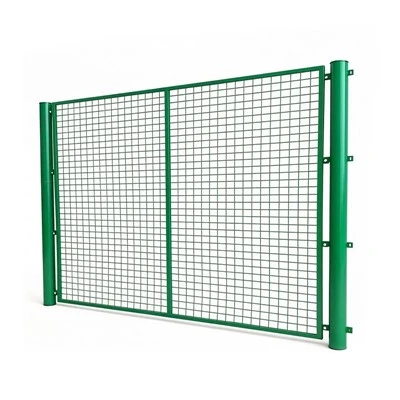
Site Perimeter Fencing is used to mark the boundaries of a property and keep livestock within a specific area. This type of fencing is often exposed to the elements and may require more frequent maintenance. Make sure to check the fence for any damage caused by weather or wildlife, and repair any issues promptly.
Garden Perimeter Fence
A Garden Perimeter Fence is used to protect your garden from livestock and other animals. This type of fence may be made of a lighter material and may not be subject to as much wear and tear as a site perimeter fence. However, it's still important to inspect the fence regularly for any damage and to keep vegetation away from it.
Farm Perimeter Fence
A Farm Perimeter Fence is used to enclose a large area of farmland and keep livestock within the boundaries of the farm. This type of fencing may be more extensive and require more maintenance. Make sure to check the fence posts, wires, and gates regularly to ensure that they are in good condition.
Conclusion
In conclusion, livestock fence rolls do require maintenance to ensure their longevity and effectiveness. Regular visual inspections, repairing damaged wires, tightening loose posts, preventing rust and corrosion, and clearing vegetation are all important aspects of fence maintenance. By taking the time to maintain your fence, you can extend its lifespan, improve animal safety, and save money in the long run.
If you are in the market for high-quality livestock fence rolls or need advice on fence maintenance, please feel free to contact us for more information. We are a trusted supplier and can provide you with the best solutions for your livestock fencing needs.
References
- "Fence Maintenance Tips" - Agricultural Extension Service Handbook
- "Best Practices for Livestock Fencing" - Livestock Management Magazine