
Hey there! As a brick mesh supplier, I often get asked this question: Can brick mesh be used in wet areas? Well, let's dive right into it and find out.
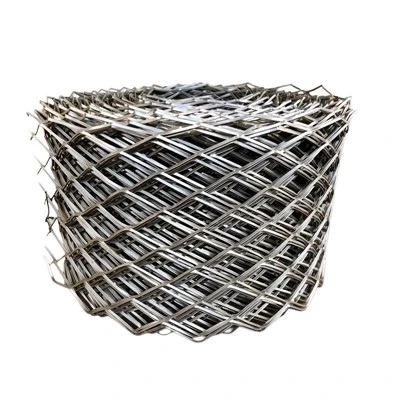
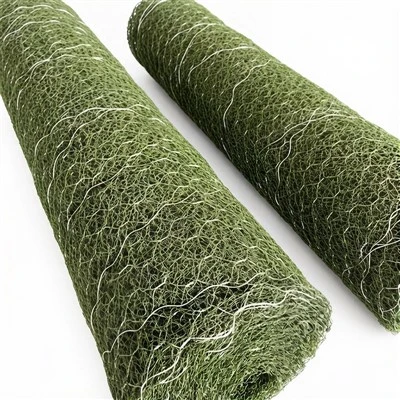
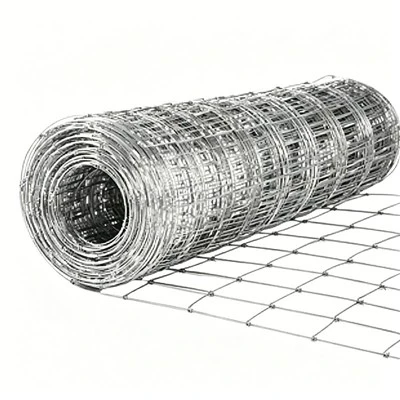
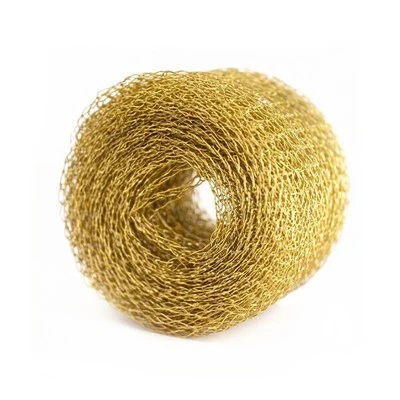
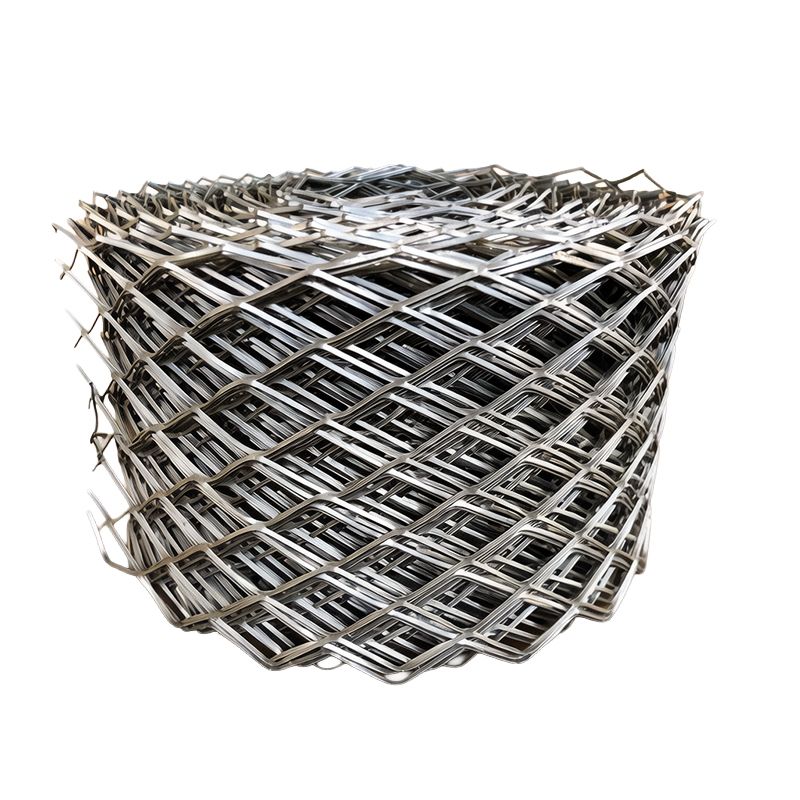
First off, what exactly is brick mesh? It's basically a type of mesh that's used in brickwork to provide extra support and stability. You can check out Mesh for Brickwork to get a better idea of what it looks like and how it's used.
Now, when it comes to wet areas, there are a few things to consider. The main concern with using brick mesh in wet areas is corrosion. If the mesh isn't made from the right materials, it can rust over time, which weakens its structure and can lead to problems with the brickwork.
But here's the good news: there are types of brick mesh that are specifically designed to withstand wet conditions. For example, stainless - steel brick mesh is a great option. Stainless steel is highly resistant to corrosion, so it can hold up well in areas where there's a lot of moisture. Whether it's a bathroom, a basement, or an outdoor area that gets a lot of rain, stainless - steel brick mesh can do the job. You can learn more about different types of brick mesh and how they're used in a Wire Mesh Brick Wall situation on that linked page.
Another option is galvanized brick mesh. Galvanization involves coating the mesh with a layer of zinc, which also helps protect against corrosion. However, over a long period and in extremely wet conditions, the zinc coating can eventually wear off, and the underlying metal may start to rust. So, while galvanized brick mesh can work in some wet areas, it might not be as long - lasting as stainless - steel mesh.
Let's talk about the benefits of using brick mesh in wet areas. One of the biggest advantages is that it helps prevent cracking in the brickwork. When bricks get wet and dry out repeatedly, they can expand and contract, which can lead to cracks. The mesh acts as a reinforcement, holding the bricks together and reducing the risk of cracks forming. This is especially important in wet areas where the moisture levels are constantly changing.

It also enhances the overall strength of the brick wall. In wet environments, the bricks can become weak due to water damage. The brick mesh provides additional support, making sure the wall remains stable and safe. Whether it's a small retaining wall in a garden or a large commercial building facade, the extra strength from the mesh can make a big difference.
But of course, proper installation is crucial when using brick mesh in wet areas. You need to make sure the mesh is installed correctly and that there's proper drainage in the area. If water is allowed to pool around the mesh and bricks, it can increase the risk of corrosion and other problems. The installers should follow the manufacturer's guidelines carefully to ensure everything is done right.
When choosing a brick mesh for wet areas, it's also important to consider the size and spacing of the mesh. Different projects may require different mesh specifications. For example, if you're working on a small, decorative brick wall in a wet area, a finer - woven mesh might be more appropriate. On the other hand, for a large, structural wall, a coarser - woven mesh with more strength might be needed.
Another thing to keep in mind is maintenance. Even if you use a corrosion - resistant brick mesh, it's still a good idea to inspect the wall regularly, especially in wet areas. Check for any signs of damage or corrosion, and make any necessary repairs as soon as possible. This will help ensure the longevity of the brickwork and the mesh.
In addition to the practical benefits, brick mesh can also be aesthetically pleasing in wet areas. It can add a modern and industrial look to the brick wall, which can be a great addition to any space. Whether it's a trendy restaurant with an exposed brick wall in a damp basement or a new home with a beautiful outdoor brick patio, the right brick mesh can enhance the overall appearance.
So, to sum it up, yes, brick mesh can definitely be used in wet areas. As long as you choose the right type of mesh, install it correctly, and perform regular maintenance, it can provide many years of reliable service. Stainless - steel brick mesh is often the best choice for long - term use in extremely wet conditions, but galvanized mesh can also be a cost - effective option for less severe situations.
If you're thinking about using brick mesh in a wet area for your project, or you have any questions about which type of mesh is right for you, don't hesitate to reach out. We're here to help you make the best decision and provide you with high - quality brick mesh products. Whether you're a DIY enthusiast or a professional contractor, we've got the expertise and the products you need to get the job done right. So, let's start a conversation and see how we can work together to make your project a success.
References:
- Architectural and engineering textbooks on brickwork and construction materials
- Manufacturer's specifications and guidelines for different types of brick mesh