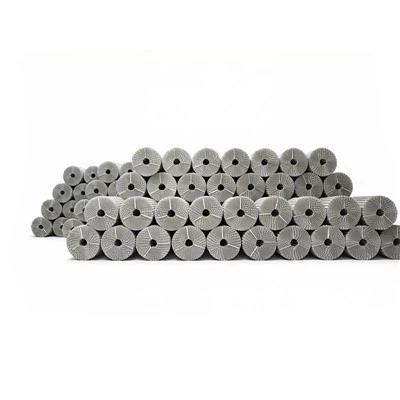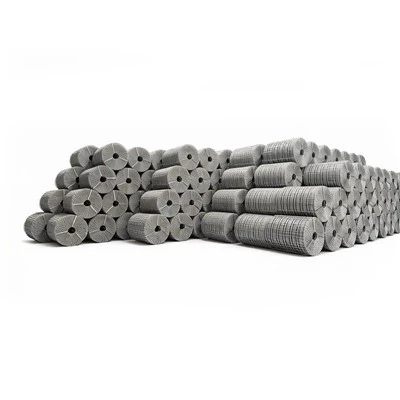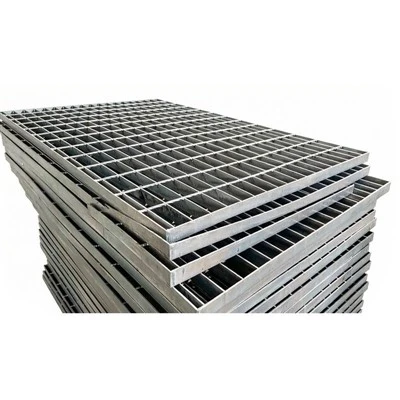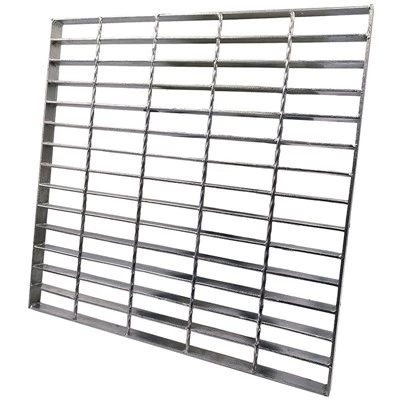
The technical application of brick reinforcement mesh in masonry structures aims primarily to enhance the wall's structural integrity and crack resistance. Its working principle relies on the tensile action of the steel mesh to bind individual bricks-which would otherwise bear loads independently-into a unified whole, thereby mitigating the inherent weakness of masonry in tension. During construction, the mesh is laid horizontally within the mortar bed, creating a composite load-bearing system; when the wall is subjected to thermal stress or uneven settlement, the mesh helps distribute stress and retard crack propagation.
The mesh is typically installed in layers at specified intervals-usually every three to five courses of brick-or placed more densely in areas prone to cracking, such as above and below door and window openings or at wall corners. Proper installation requires the mesh to lie flat without buckling or protruding, and it must be fully embedded in the mortar to prevent corrosion and the formation of voids. Lap joints generally require a minimum overlap of 100 mm to ensure structural continuity.
Brick reinforcement mesh is often used in conjunction with other structural measures-such as structural columns and ring beams-to improve overall seismic performance. In seismic zones, the mesh effectively enhances wall ductility and reduces the risk of brittle failure. Furthermore, advancements in material technology have led to the use of galvanized, plastic-coated steel mesh with superior corrosion resistance, extending service life and enabling performance in more demanding environmental conditions.